American Cockroach
Periplaneta americana · also called water bug, palmetto bug, flying water bug
Quick answer
The American cockroach (Periplaneta americana) is the largest common US house roach, reddish-brown with a pale yellow figure-eight marking behind its head. Often called a water bug or palmetto bug, it favors warm, damp basements, sewers, and drains, can glide short distances, and contaminates food surfaces with bacteria.
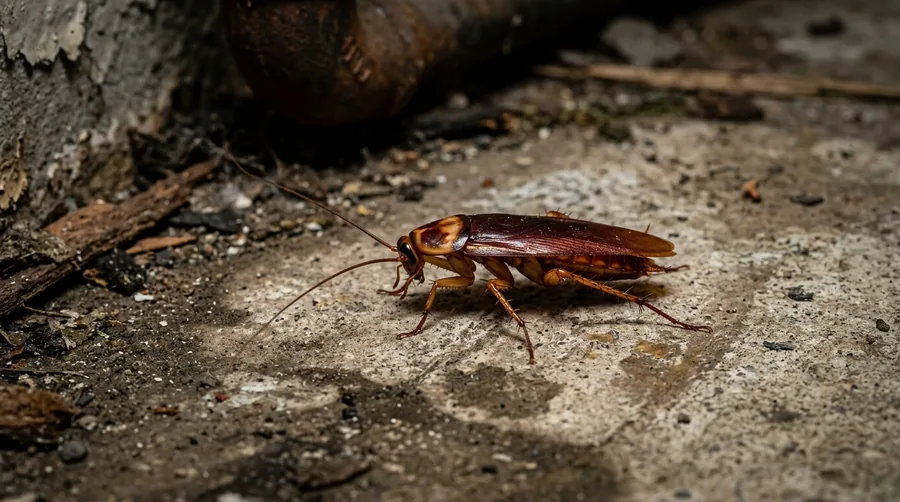
Large reddish-brown American cockroach with a pale yellow figure-eight marking behind its head on a floor
Recommended Products
See the full ranking →


What it does
American cockroaches are fast, nocturnal scavengers that flee from light and cluster in warm, damp, dark areas. In warm weather they can glide short distances. They often live in sewers and drains and move into buildings, especially in humid climates and food-service settings.
Where it lives
They favor warm, moist places: sewers, floor drains, basements, crawl spaces, boiler and steam rooms, and commercial kitchens. They typically enter homes from sewers, drains, and gaps, and are most abundant in the humid Southeast and Gulf Coast, though they occur nationwide indoors.
How it breeds
A female forms a dark egg case (ootheca) holding about 16 eggs and drops or glues it near food and moisture, producing many over her life. Nymphs take several months to over a year to mature, so colonies build more slowly than German cockroaches, with long-lived adults.
What it eats
American cockroaches are omnivorous scavengers. They eat decaying organic matter, crumbs, grease, sweets, and starches, and will also consume paper, glue, book bindings, and other household residues when preferred food is scarce.
Identification
Adults are 1.5-2 inches, reddish-brown, with a pale yellow figure-eight or band on the shield behind the head. Both sexes are fully winged. They are much larger than German cockroaches and lack the two dark stripes German roaches carry.
Signs of an infestation
- Blunt-ended, ridged droppings larger than a German roach's
- Dark egg cases in basements, drains, and cabinets
- A musty odor in heavy infestations
- Large roaches seen in basements or drains at night
- Dark smear marks in humid corners
Prevention tips
- Fix leaks and reduce basement and crawl-space moisture
- Screen or cap floor drains and seal drain gaps
- Seal cracks around pipes, foundations, and utility lines
- Keep food sealed and take out trash regularly
- Reduce clutter and cardboard where they harbor
Professional solutions
Light infestations often respond to gel baits, bait stations, and insect growth regulators plus moisture control. Because American roaches breed in sewers and drains, recurring problems tied to those sources are best handled by a professional using baiting and exclusion. Always read and follow the EPA label on any product.
Health & safety
American cockroaches rarely bite. The real concern is that they mechanically carry bacteria such as Salmonella from sewers and decaying matter onto food surfaces, and their droppings and shed skins are an allergen and asthma trigger. Overall household risk is moderate.
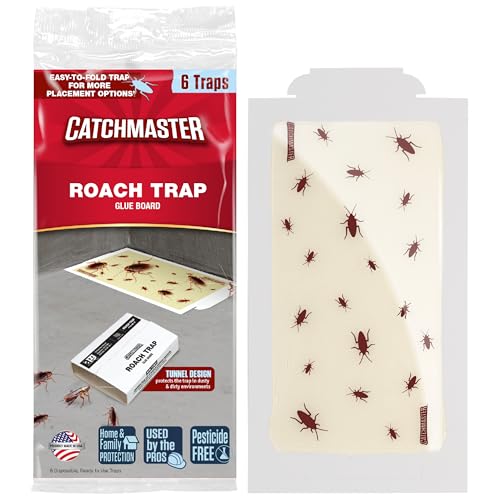
Relevant Products




Frequently asked questions
Are American cockroaches the same as palmetto bugs?
Yes. In the South, American cockroaches are commonly called palmetto bugs or water bugs. They are the large reddish-brown roaches often seen near drains, basements, and outdoors, especially in warm, humid weather.
Do American cockroaches fly?
They have full wings and can glide or make short flights, especially in warm weather, but they are not strong, sustained fliers. Most of the time they run quickly along floors, walls, and pipes rather than flying.
Why do I keep seeing big roaches in my bathroom or basement?
American cockroaches are drawn to warmth and moisture and often travel up from sewers and floor drains into damp basements and bathrooms. Reducing moisture, sealing drain gaps, and using baits helps; recurring problems from drains may need a professional.
Fact-checked by Morgan Vance, Editorial Director (editorial review, not a professional pest-control or medical sign-off). Last reviewed July 6, 2026. We correct anything a reader shows us is wrong — see our corrections policy.