Smokybrown Cockroach
Periplaneta fuliginosa · also called smoky brown roach, palmetto bug
Quick answer
The smokybrown cockroach (Periplaneta fuliginosa) is a large, glossy mahogany-brown roach common in the humid Southeast. A strong flier drawn to lights, it lives outdoors in mulch, tree holes, and gutters, then enters homes and attics. It loses moisture easily, so it stays near damp areas and water sources.
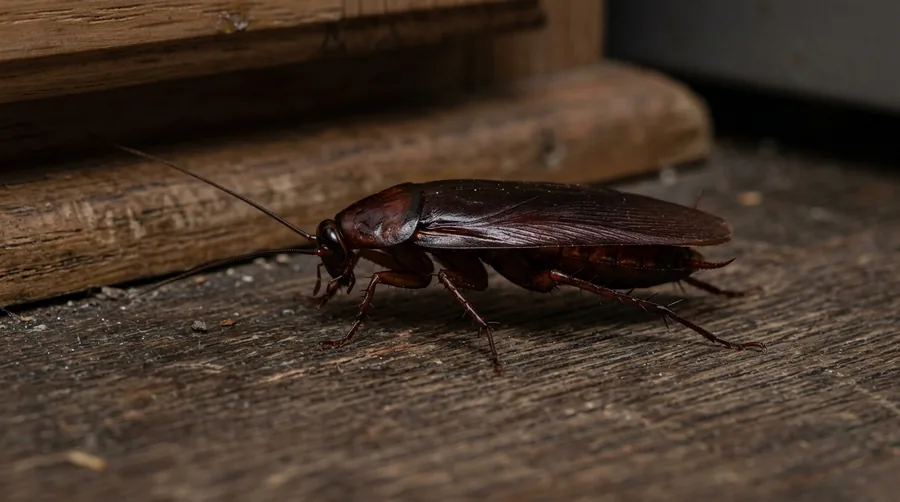
Large glossy mahogany-brown smokybrown cockroach resting on wood siding at night
Recommended Products
See the full ranking →


What it does
Smokybrown cockroaches are strong fliers attracted to lights at night. They live outdoors close to homes (peridomestic) and enter through gaps, attics, and soffits. They lose body moisture easily, so they stay near humidity and water, and are active mainly in warm weather.
Where it lives
Outdoors they harbor in mulch, leaf litter, tree holes, firewood, gutters, and soffits. Indoors they move into attics, crawl spaces, and wall voids. They thrive in the warm, humid Southeast and Gulf Coast, where they are a common peridomestic roach.
How it breeds
A female produces dark egg cases holding roughly 20 eggs and attaches them to sheltered surfaces near moisture. Nymphs take about 6-12 months to mature, so the species produces fewer generations per year than the German cockroach.
What it eats
Smokybrown cockroaches are omnivorous scavengers that favor decaying plant matter but also feed on food, garbage, and organic debris indoors. Outdoors they consume leaf litter and decaying vegetation.
Identification
Adults are 1-1.5 inches and a uniform glossy mahogany to dark brown, without the pale markings of the American cockroach. Both sexes are fully winged and fly well. Nymphs have distinctive white markings. Their uniform dark color and strong flight are key cues.
Signs of an infestation
- Large roaches flying to lights or near attics at night
- Droppings in attics, soffits, and gutters
- Egg cases attached in sheltered outdoor spots
- Roaches entering from mulch, woodpiles, or the roofline
- Clustering in gutters, soffits, and crawl spaces
Prevention tips
- Clear mulch, leaf litter, and firewood away from the foundation
- Clean gutters and fix roofline and soffit gaps
- Seal attic vents, eaves, and utility penetrations
- Reduce or shield outdoor lighting, or use yellow bulbs
- Fix moisture problems around the home's exterior
Professional solutions
Because smokybrown roaches breed outdoors and enter from the yard, control focuses on exterior perimeter treatment, granular baits, harborage reduction, and sealing entry points. A professional can target outdoor harborage and the roofline, which DIY indoor treatment alone often misses. Always read and follow the EPA label.
Health & safety
Smokybrown cockroaches do not bite, but like other roaches they mechanically carry bacteria onto surfaces and food, and their droppings and shed skins are allergens that can trigger asthma. Overall household risk is moderate.
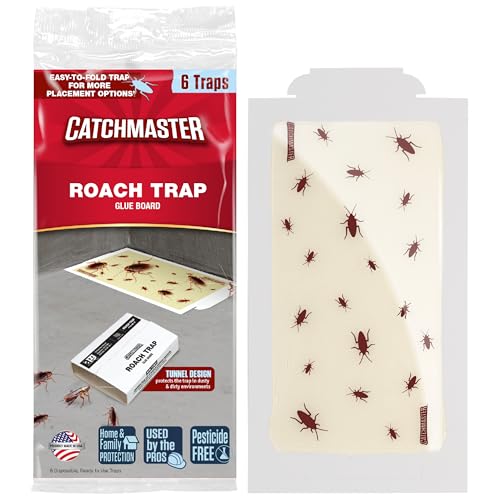
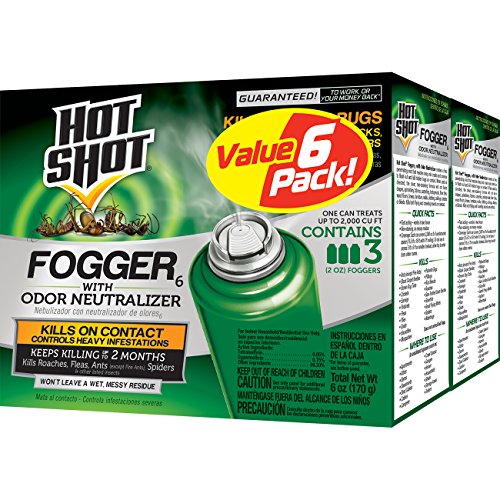
Relevant Products



Frequently asked questions
How do I tell a smokybrown cockroach from an American cockroach?
Both are large, but the smokybrown cockroach is a uniform glossy mahogany-to-dark brown with no markings, while the American cockroach is reddish-brown with a pale yellow figure-eight behind its head. Smokybrown roaches are also strong fliers drawn to lights.
Why are smokybrown cockroaches getting into my attic?
They live outdoors near homes and fly well, so they enter through roofline gaps, soffits, and attic vents, drawn by lights and humidity. Cleaning gutters, sealing eaves, and reducing outdoor lighting helps limit their access.
Where do smokybrown cockroaches live outdoors?
They harbor in mulch, leaf litter, tree holes, firewood, and gutters near the house. Because their harborage is outdoors, effective control usually includes exterior perimeter treatment and clearing debris away from the foundation.
Fact-checked by Morgan Vance, Editorial Director (editorial review, not a professional pest-control or medical sign-off). Last reviewed May 18, 2026. We correct anything a reader shows us is wrong — see our corrections policy.