
Brown-Banded Cockroach
Supella longipalpa · also called brown banded roach, furniture cockroach
Quick answer
The brown-banded cockroach (Supella longipalpa) is a small tan roach with two lighter bands across its wings and body. Unlike other roaches, it prefers warm, dry spots and spreads throughout the home, hiding behind picture frames, in electronics, and near ceilings. It glues its egg cases to furniture and contaminates surfaces.
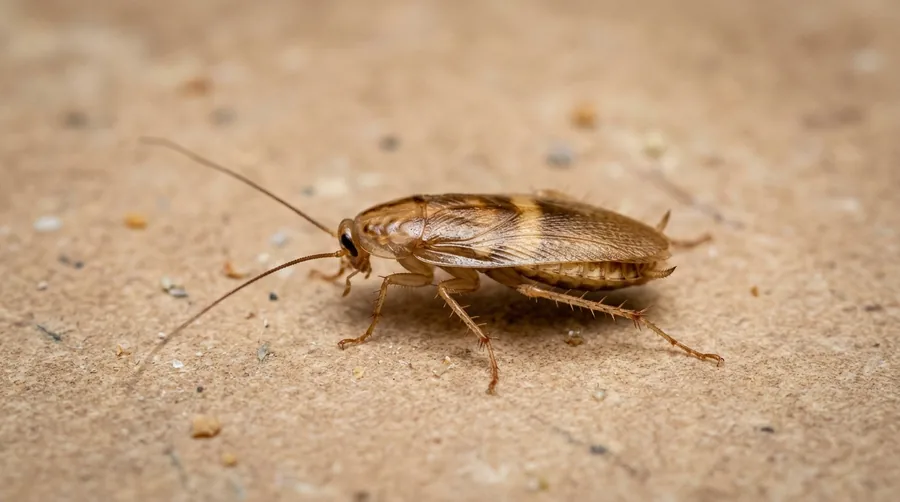
Small tan brown-banded cockroach with two pale bands across its wings on a wall
Recommended Products
See the full ranking →


What it does
Brown-banded cockroaches prefer warm, dry areas and spread throughout a home rather than staying in the kitchen. They often harbor high on walls, near ceilings, and inside electronics and furniture. They are active and males may fly short distances when disturbed. Females glue egg cases to hidden surfaces.
Where it lives
They favor warm, dry, elevated spots: behind picture frames and wall hangings, inside electronics, appliances, and clocks, in closets, and near ceilings and upper cabinets. They also turn up in bedrooms and living rooms. They live almost entirely indoors and occur nationwide in heated buildings.
How it breeds
A female glues small egg cases, each with roughly 13-18 eggs, to the undersides of furniture, shelves, and other hidden surfaces. Nymphs mature in a few months, and with warm indoor conditions the species breeds year-round across multiple overlapping generations.
What it eats
Brown-banded cockroaches are omnivorous and can survive on little. They eat starchy materials, glue, wallpaper paste, book bindings, and food debris, which helps explain why they spread into rooms beyond the kitchen.
Identification
Adults are about 1/2 inch, tan to light brown, with two pale bands running across the wings and abdomen, though the bands can appear broken. Males are slimmer with full wings; females are broader. Their small size and light bands distinguish them from German cockroaches.
Signs of an infestation
- Tiny egg cases glued under furniture, shelves, and drawers
- Small scattered droppings both high and low on walls
- Roaches seen on upper walls, ceilings, or in electronics
- Sightings spread across many rooms, not just the kitchen
- Live roaches emerging from appliances at night
Prevention tips
- Reduce clutter and vacuum up egg cases
- Inspect secondhand furniture and electronics before bringing them in
- Seal cracks around baseboards, trim, and cabinets
- Keep food sealed and surfaces clean
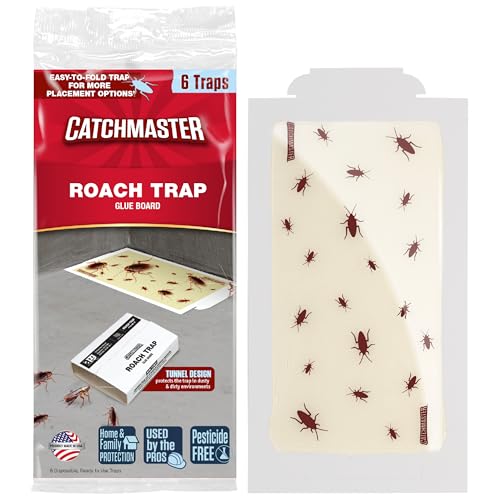
- Use glue-board monitors to find harborage across rooms
Professional solutions
Because brown-banded roaches scatter widely and harbor high in the home, effective control uses gel baits placed both high and low, plus insect growth regulators. Whole-home baiting can be involved, so a professional is often the most efficient route for established infestations. Always read and follow the EPA label.
Health & safety
Brown-banded cockroaches do not bite, but like other roaches they mechanically transfer bacteria onto surfaces and food, and their droppings and shed skins are allergens that can trigger asthma. Overall household risk is moderate.
Relevant Products


Frequently asked questions
How are brown-banded cockroaches different from German cockroaches?
Both are small, but German cockroaches have two dark stripes behind the head and stay near kitchen and bathroom moisture, while brown-banded cockroaches have two light bands across the wings, prefer warm dry areas, and spread throughout the home, including high on walls and in electronics.
Why do I find roaches in my electronics and picture frames?
Brown-banded cockroaches like warm, dry, elevated spots, so electronics, clocks, and the backs of picture frames are ideal harborage. Finding roaches in these places, rather than only near the sink, is a strong sign you are dealing with this species.
Do brown-banded cockroaches spread through the whole house?
Yes. Unlike kitchen-bound species, they harbor and lay egg cases across many rooms, including bedrooms and living areas. Control usually needs monitoring and bait placement throughout the home rather than just in the kitchen.
Fact-checked by Morgan Vance, Editorial Director (editorial review, not a professional pest-control or medical sign-off). Last reviewed July 19, 2026. We correct anything a reader shows us is wrong — see our corrections policy.