
Texas Pest Control: Licensing & Exterminators by City
How pest control is licensed and regulated in Texas, how to verify a Texas company's license before you hire, and 40 local exterminators across 4 Texas cities.
Listings below are shown for informational purposes only, using publicly available contact details. Pest Control for Home has no business relationship with the companies listed, does not vet or endorse them, and is not paid for any listing. Please confirm licensing, insurance, and pricing directly with a business before hiring.
Pest Control Licensing in Texas
Pest control in Texas is regulated by the Texas Department of Agriculture. The agency runs this work through its Structural Pest Control Service. The rules below explain who must be licensed and why that matters to you.
Who Must Hold a License
Any business that applies pesticides to structures for hire must hold a state license. That covers treating homes for termites, cockroaches, rodents, and other pests. The technicians who carry out the work must be licensed or certified too. This requirement is not optional. It applies to every company in the state, from Houston to El Paso.
Public Records at the Department of Agriculture
Licensing is handled at the state level. So you do not have to take a company's word for its credentials. The Texas Department of Agriculture keeps public records of the businesses and applicators it licenses. Those records are open for anyone to check. Before you sign a service agreement, confirm that your chosen exterminator is properly licensed and in good standing.
The sections below explain how the verification process works. They cover what a Texas structural pest control license actually includes. They also show how the state's rules on pesticide use protect you as a homeowner. Knowing the regulator by name is a good start. Knowing that its records are open puts you in a far stronger position when you hire a professional.
How to Verify a Pest Control License in Texas
Verifying a license in Texas is simple and free. It is the single most useful thing you can do before you hire. It takes only a few minutes.
Look Up the Company by Name
Begin on the official Texas Department of Agriculture website. The site hosts the license records for its Structural Pest Control Service. From there you can look up a business by its company name.
Search by License Number
In most cases you can also search by license number, if the company has given you one. Some companies advertise a license number on a truck, a website, or a quote. Use that number to confirm the details match the business you are dealing with.
Check the Status and Any Complaints
When you find the record, check a few things. First, confirm the license is current. Make sure it has not lapsed or expired. Second, look at the status and any disciplinary history or complaints on the record. An active license with a clean history is what you want to see. Third, make sure the name on the license matches the name on your written estimate. Some operators work under more than one business name. A license is not the only thing worth checking. It is also fair to ask a company whether it carries insurance.
Trust the Licensing Authority, Not the Sales Pitch
Treat the state's own records as the authority. Suppose a company's marketing claims conflict with what the Texas Department of Agriculture shows. Believe the government record, not the sales pitch. A legitimate, licensed company will not mind you checking. Many will offer their license number before you even ask. If a business is reluctant to share it, slow down. If you cannot find the record on the state site, treat that as a reason to ask more questions.
How Texas Regulates Pest Control
A Texas structural pest control license is more than a formality. Earning one takes real work. It ties an accountable business to every treatment in your home.
What an Applicator Must Prove
To qualify, an applicator must meet training and examination requirements. They must show they understand the pesticide products they use. They also agree to follow state rules on how those products are applied, stored, and disclosed. In short, a licensed applicator has proven a baseline of knowledge before touching your home.
Why Pesticide Regulations Exist
The rules exist because pest control involves regulated chemicals. A pesticide can harm people, pets, and the environment when it is mishandled. So the state sets standards for application methods and record keeping. It also sets the notices a company must give its customers. Licensed applicators may use products only as the label and state regulations allow. They can be held responsible when they do not.
Hiring a Licensed Professional
This framework protects consumers in a concrete way. Hire a licensed Texas company, and you deal with an operator the state can discipline, suspend, or bar. That is leverage you simply do not have with an unlicensed operator. Applying pesticides for hire without a license is illegal in Texas. Hiring an unlicensed person exposes you to poor workmanship and unsafe chemical use. You also have no real recourse if something goes wrong. Choosing a licensed professional is the baseline for a safe, accountable job.
Common Pests Across Texas
Texas is a big state, and pest pressure changes from one region to another. A statewide view helps you set expectations before you compare treatment plans.
Cockroaches and Fire Ants
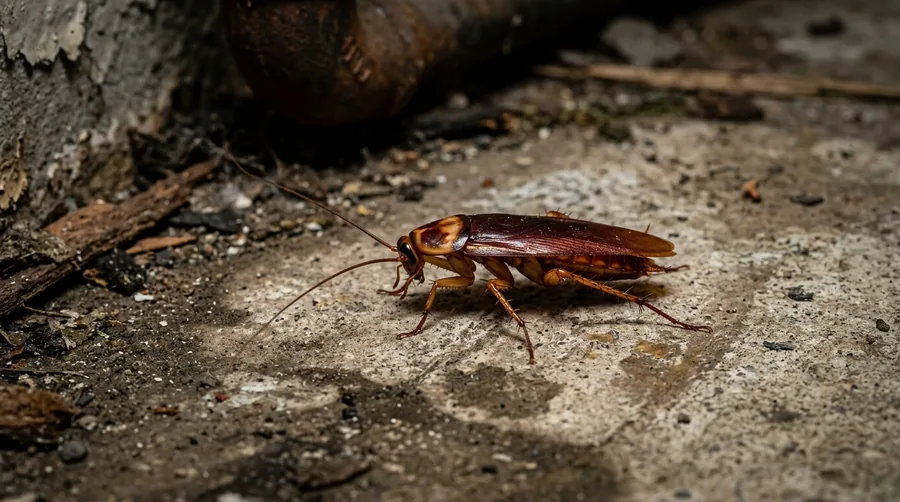
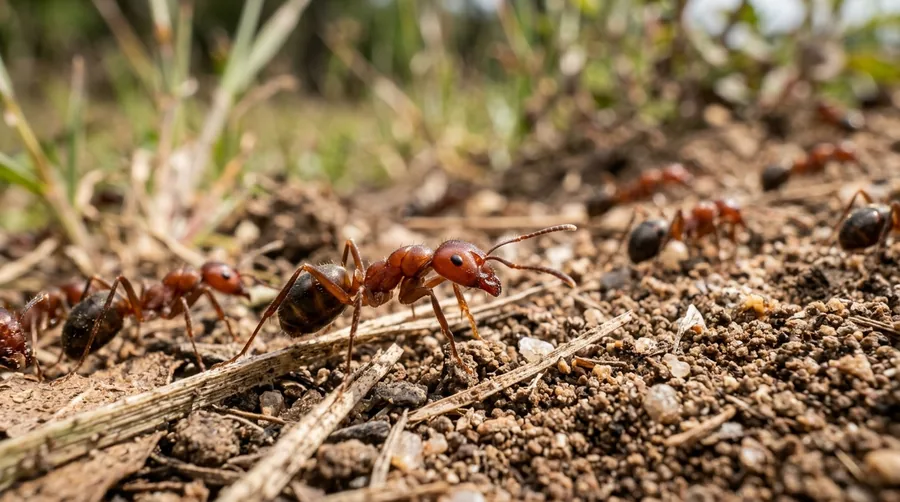
The American cockroach is the one constant. It is common in homes across the state. It is especially at home in the warm, humid air of the Gulf Coast around Houston. The red imported fire ant is another statewide problem. It thrives in lawns and yards across central and eastern Texas. It is a familiar nuisance from San Antonio to Dallas.
Mosquitoes and Rodents
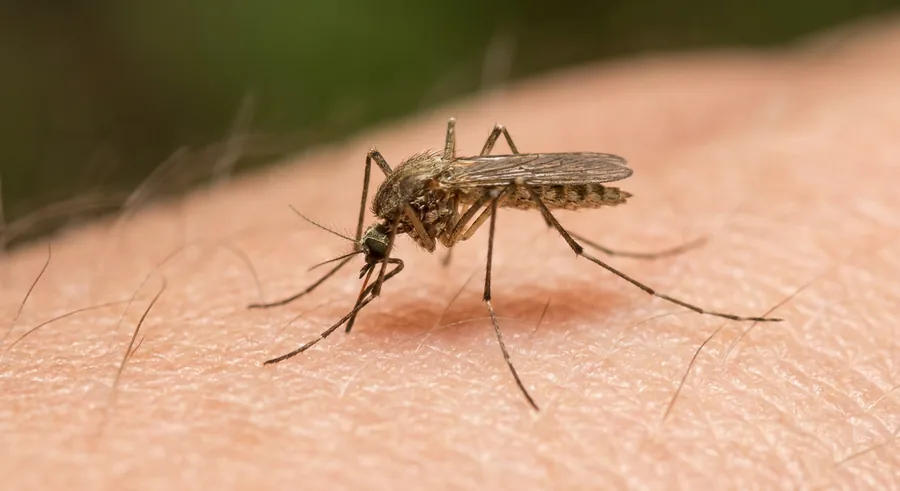
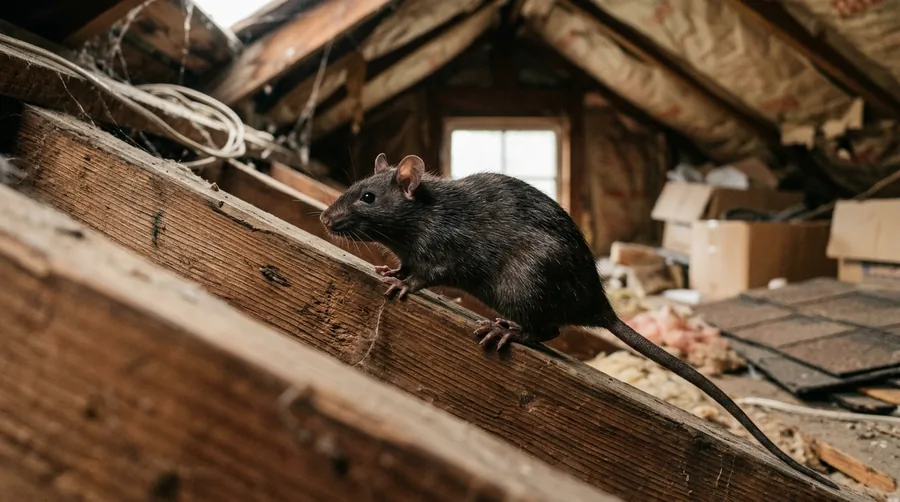
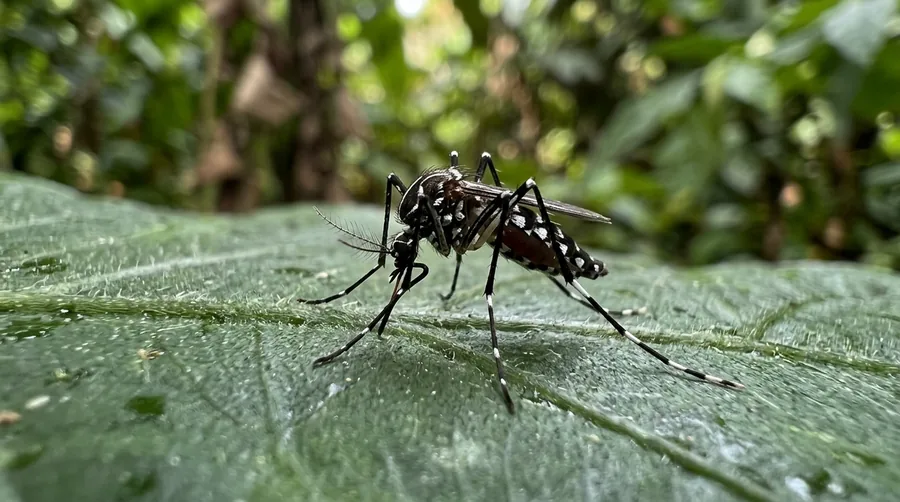
Mosquitoes vary with local climate and water. The Northern house mosquito is widespread. The Asian tiger mosquito tends to gather where standing water and dense suburban landscaping give it places to breed. Rodents follow people and food. The roof rat is a recurring problem in older neighborhoods and along the humid coast. It climbs into attics and wall voids.
Termites and Spiders
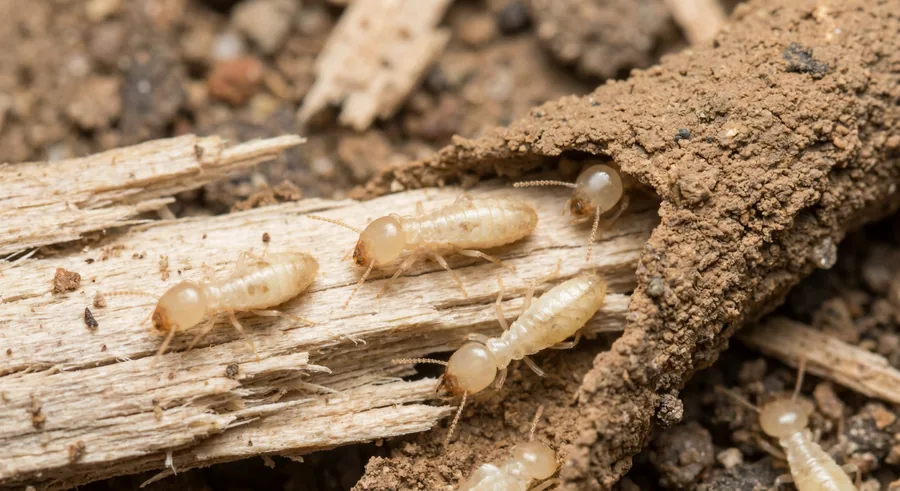
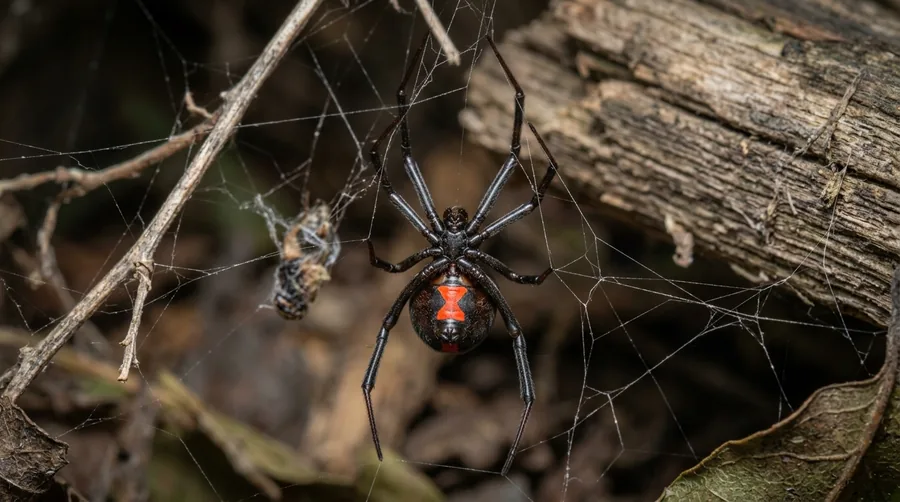
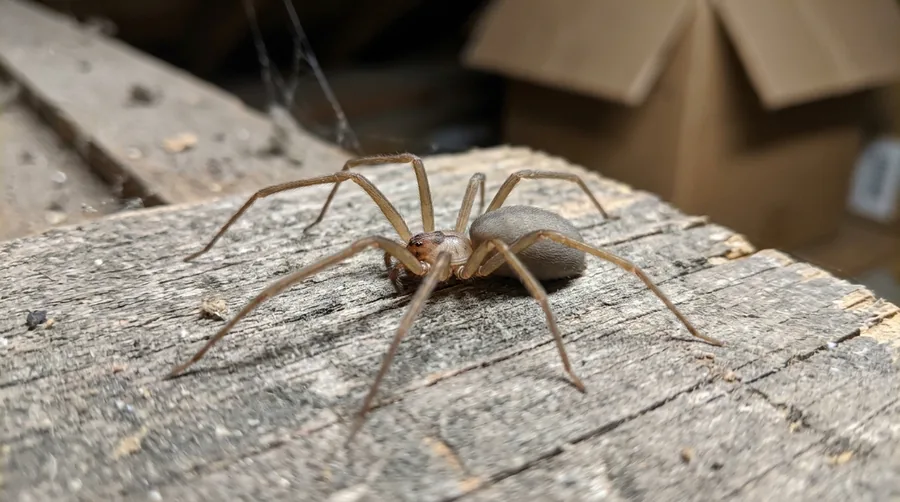
Termites are a serious concern statewide. The subterranean termite is active across much of Texas. It can cause costly structural damage before anyone notices. Spiders round out the picture. The black widow and the brown recluse both turn up in Texas homes. They often hide in garages, sheds, and other undisturbed spaces. Inland areas trend drier than the coast. Still, no part of the state is pest-free. That is why licensed, region-aware treatment matters.
Pest Control Costs in Texas
What you pay for pest control in Texas depends on several things. The pest, the severity of the infestation, the size of your home, and your region all move the price. A coastal termite job is not priced like a routine ant treatment.
Because those variables shift the number so much, a single figure here would mislead you. For detailed price ranges and what drives them, see our [pest control cost guide]. Then use those numbers as a benchmark when you compare quotes from licensed Texas companies.
Identify Common Texas Pests
Tap any pest for a full identification, prevention, and control guide.
Local Exterminators in Texas, by City
Texas Pest Control — FAQ
How do I verify a pest control license in Texas?
Go to the official Texas Department of Agriculture website. It holds the records for the Structural Pest Control Service. Search for the company by name, or by its license number. Confirm the license is current. Review the status for any complaints or disciplinary actions. Make sure the licensed name matches the name on your written quote. Verification is free, and a reputable company will happily share its license number.
Who regulates pest control companies in Texas?
Pest control companies in Texas are regulated by the Texas Department of Agriculture. The work runs through its Structural Pest Control Service. This agency licenses businesses and applicators. It sets the rules for how pesticides are applied. It also keeps the public records you can use to check whether a company is properly licensed.
Do pest control companies in Texas have to be licensed?
Yes. Any business that applies pesticides to structures for hire in Texas must be licensed by the Texas Department of Agriculture. Its technicians must be licensed or certified as well. Applying pesticides commercially without the required license is illegal. So licensing is the minimum standard to look for before you hire.
What pests are most common in Texas?
American cockroaches, red imported fire ants, and subterranean termites are among the most common pests statewide. Mosquitoes such as the Northern house mosquito are common too. So are rodents like the roof rat, which is frequent along the humid Gulf Coast. Black widow and brown recluse spiders also appear in Texas homes. Pressure varies by region, and the coast is generally more humid than inland areas.
How much does pest control cost in Texas?
There is no single price. Cost depends on the pest, how severe the problem is, your home's size, and your region. A one-off ant treatment sits at the low end. Termite work costs considerably more. For detailed ranges, see our [pest control cost guide]. Then compare quotes from licensed Texas companies.