Florida Pest Control: Licensing & Exterminators by City
How pest control is licensed and regulated in Florida, how to verify a Florida company's license before you hire, and 40 local exterminators across 4 Florida cities.
Listings below are shown for informational purposes only, using publicly available contact details. Pest Control for Home has no business relationship with the companies listed, does not vet or endorse them, and is not paid for any listing. Please confirm licensing, insurance, and pricing directly with a business before hiring.
Pest Control Licensing in Florida
In Florida, pest control is overseen by the Florida Department of Agriculture and Consumer Services. This state authority is known as FDACS. It runs the state's structural pest control program. Any company that treats a structure for pests must be licensed through FDACS. That covers termites, roaches, rodents, fleas, and more. The workers doing the job must also hold the right state credentials. This rule applies to every operator serving Florida homeowners. It holds whether the company is based in Miami, Tampa, or a small Panhandle town.
FDACS keeps free public records
Licensing sits with the state. So the burden of proof does not fall on you. FDACS keeps public records of the businesses and cardholders it authorizes. You are entitled to check those records at no cost. You can confirm a company is licensed before any money changes hands. That beats relying on a logo or a spoken claim.
What this page covers
The rest of this page walks through the license check. It also explains what a Florida pest control license requires of a company. And it shows how the state's regulations work in your favor. Florida's warm, wet climate makes pests a year-round reality. That is all the more reason to hire only operators the state stands behind.
How to Verify a Pest Control License in Florida
Checking a company's license in Florida costs nothing. It takes only a few minutes. It is worth doing every time, before you commit. Start at the official FDACS website. The department publishes license records there. Those records cover the businesses and people it authorizes to perform pest control. You can search by business name. If you have a license or certificate number, you can pull up the exact record.
Work through a short checklist
Once you find the entry, run a few quick checks. Confirm the license is active and has not expired. Credentials must be renewed, and an out-of-date license is not valid. Review the record for the license status. Look for any complaints, enforcement actions, or discipline against the business. Then check the licensed business name. It should match the name on your estimate or contract. A door-to-door salesperson may not represent the company they claim to.
Spotting a professional exterminator
Always trust the state record over a sales pitch. A company may tell you one thing. If FDACS shows another, the FDACS record is the one to trust. A reputable Florida exterminator expects customers to verify them. Many provide a license number readily. Some print it on their quotes and vehicles. A professional company will not dodge the question. If one does, or you find no record on the state site, pause. Dig deeper before you sign anything.
How Florida Regulates Pest Control
A Florida pest control license means more than a paid fee. Licensed operators must pass exam and experience requirements. They must show competence with the products and methods they use. They must also follow the state's standards for handling pesticides. In effect, the license ties each treatment to a business the state can identify. That business can then be held to account.
Pesticide regulations and licensed applicators
Regulation is warranted because the work relies on chemicals. Those chemicals carry real risks. Used wrongly, a pesticide can harm children, pets, and neighbors. It can also contaminate the environment. So FDACS sets clear regulations. They cover how products are applied. They cover how activity is recorded. They cover what a company must tell its customers. A licensed applicator must follow product labels and state law. There are consequences when they don't.
A safety net for homeowners
For a homeowner, that oversight is a safety net. Hire a licensed Florida company, and you work with an accountable operator. The state can penalize, suspend, or shut it down for violations. That accountability vanishes the moment you hire someone unlicensed. Doing pest control for pay without a FDACS license is illegal in Florida. An unlicensed operator offers no proof of proper training. It offers no proof of safe chemical use. And it offers no path to redress if the treatment fails or causes harm. It is also worth asking whether a company carries insurance. Insisting on a licensed company is the floor, not the ceiling, for a job done right.
Common Pests Across Florida
Florida's climate is warm and humid almost everywhere. Even so, pest pressure shifts from coast to coast. It shifts across the interior too. It also changes along the north-to-south run of the peninsula. A statewide overview is a useful starting point.
Roaches, ants, and mosquitoes
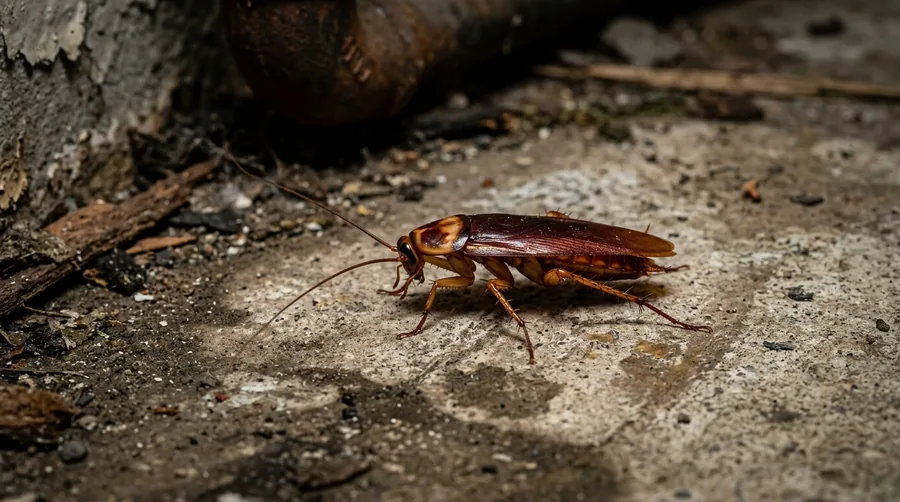
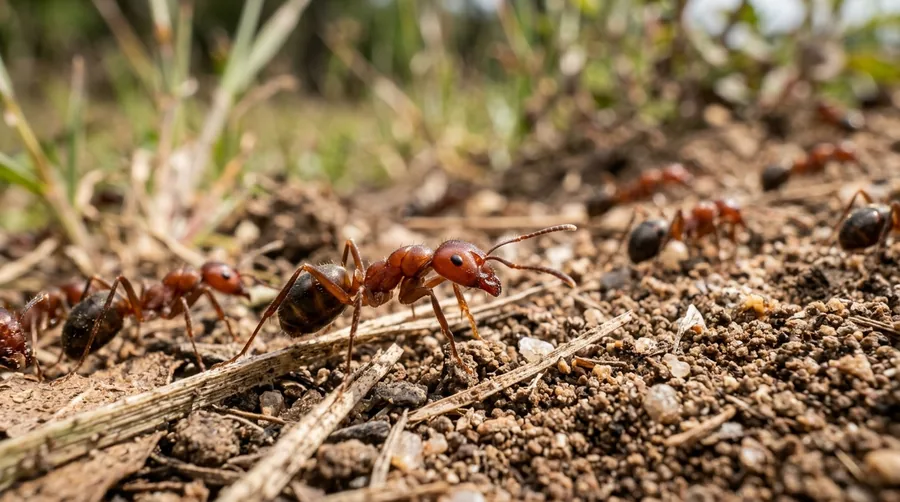
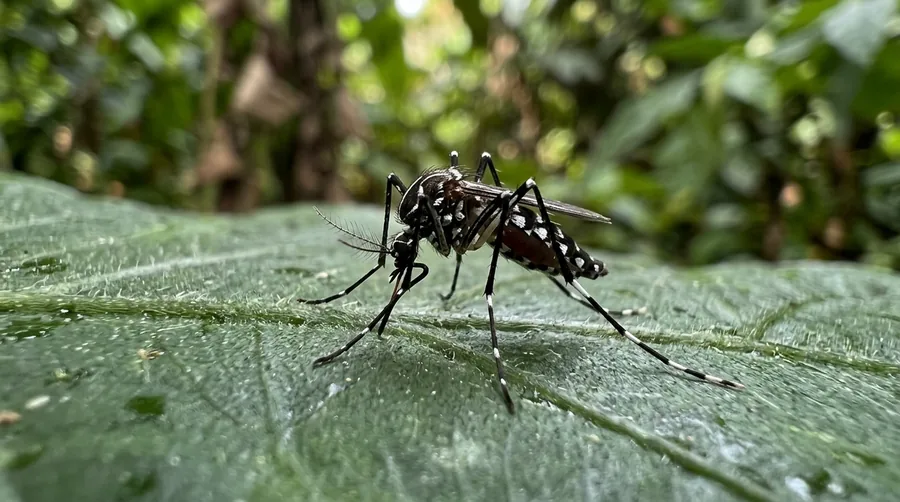
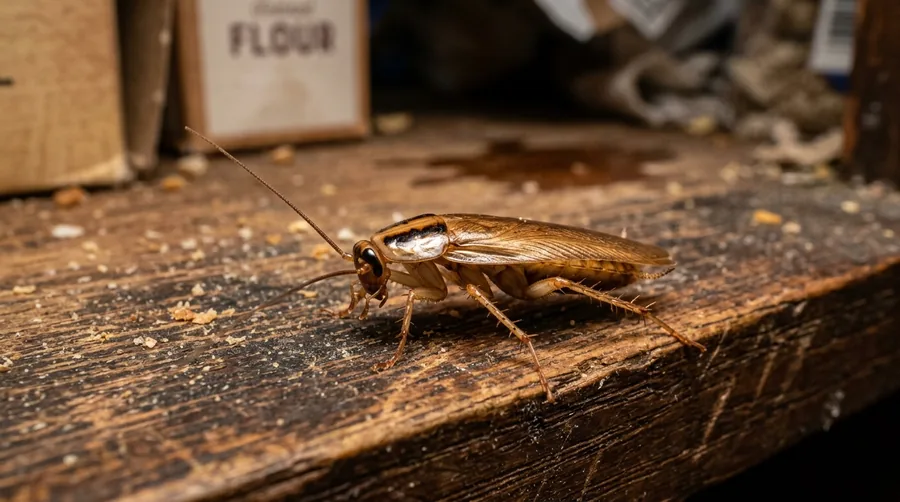
The American cockroach thrives across the whole state. It is a fixture in Florida homes. Year-round warmth and moisture encourage it. Red imported fire ants are just as widespread. They colonize yards and open ground. Their range runs from the Panhandle down through central Florida. Standing water is never far away here. That makes mosquitoes a defining Florida pest. The Asian tiger mosquito is common in suburban areas. It breeds where containers and dense plantings hold water.
Termites, rodents, and fleas
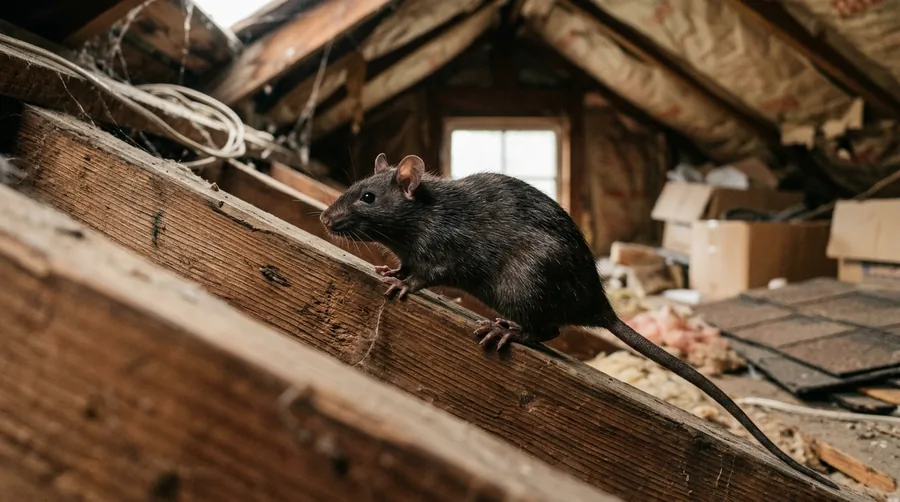
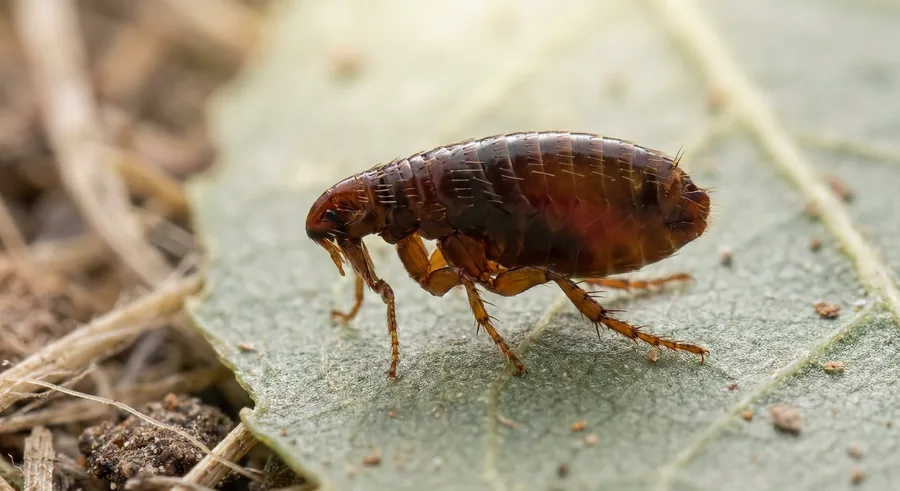
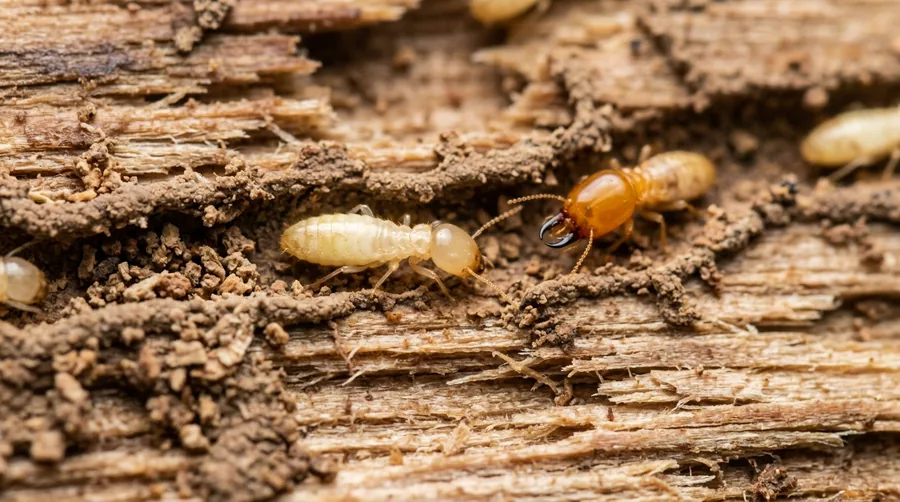
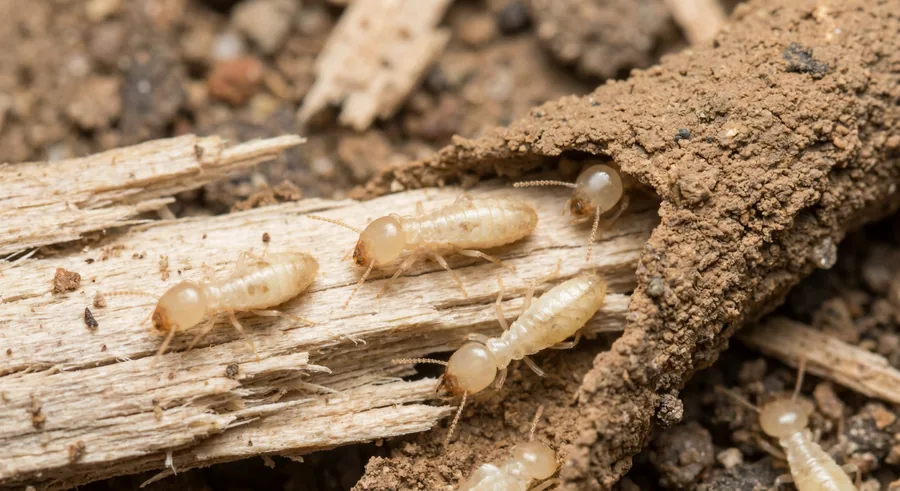
Termites cost Florida homeowners the most. Native subterranean termites are active statewide. The aggressive Formosan subterranean termite has spread through warmer southern and coastal areas. It can inflict damage quickly. Rodents are a persistent problem too. The roof rat suits Florida's climate well. It nests in attics, garages, and citrus trees. Fleas thrive in the humidity as well. The cat flea is a common headache in homes with pets. German cockroaches live indoors year-round. They add to the mix in kitchens and multi-unit housing. From the Keys to Jacksonville, no region is exempt. That is why licensed, locally experienced treatment is worth seeking out.
Pest Control Costs in Florida
Pest control pricing in Florida is not a fixed number. It moves with the type of pest. It moves with how established the infestation is. It moves with the size of the property. And it moves with where in the state you live. A Formosan termite treatment on the coast is one job. A routine roach service is another. Rather than repeat prices that shift with all those factors, we cover them in detail elsewhere. See our [pest control cost guide] for current ranges. Use them to weigh quotes from licensed Florida companies.
Identify Common Florida Pests
Tap any pest for a full identification, prevention, and control guide.
Local Exterminators in Florida, by City
Florida Pest Control — FAQ
How do I verify a pest control license in Florida?
Visit the official FDACS website. The Florida Department of Agriculture and Consumer Services publishes its pest control license records there. Search by the company's business name. You can also search by a license or certificate number. Make sure the license is active. Scan the record for complaints or enforcement actions. Confirm the licensed name matches your contract. The check is free and quick.
Who regulates pest control companies in Florida?
Pest control in Florida is regulated by the Florida Department of Agriculture and Consumer Services (FDACS). FDACS is the state licensing authority. It licenses pest control businesses and cardholders. It sets the standards for pesticide use. It also publishes public records. Homeowners use those records to confirm a company is properly authorized.
Do pest control companies in Florida have to be licensed?
Yes. Any company that performs structural pest control for pay must be licensed through FDACS. Its workers must hold the proper state credentials. Doing pest control commercially without a license is illegal. So a valid FDACS license is the first thing to confirm before you hire.
What pests are most common in Florida?
Common Florida pests include the American cockroach and red imported fire ants. Termites are a major threat too. That covers native subterranean termites and the destructive Formosan subterranean termite in warmer areas. Mosquitoes like the Asian tiger mosquito are widespread. So are roof rats, cat fleas, and German cockroaches. The warm, humid climate keeps many of these active year-round.
How much does pest control cost in Florida?
It varies. Price depends on the pest. It depends on the severity of the problem. It depends on the size of your home. And it depends on your part of the state. A basic roach treatment sits at the lower end. Termite work runs much higher. For detailed ranges, see our [pest control cost guide]. Compare them against quotes from licensed Florida companies.