California Pest Control: Licensing & Exterminators by City
How pest control is licensed and regulated in California, how to verify a California company's license before you hire, and 20 local exterminators across 2 California cities.
Listings below are shown for informational purposes only, using publicly available contact details. Pest Control for Home has no business relationship with the companies listed, does not vet or endorse them, and is not paid for any listing. Please confirm licensing, insurance, and pricing directly with a business before hiring.
Pest Control Licensing in California
In California, structural pest control is overseen by the California Structural Pest Control Board. This state body is the licensing authority for the industry. It licenses the companies and individuals allowed to treat buildings for pests. An exterminator cannot simply set up shop and start work.
Which Exterminators Must Be Licensed
Before a business can advertise or carry out pest control on a home, it must register with the Board. It must also operate under a licensed operator. The technicians in the field must hold their own licenses too. That rule holds whether the company works in Los Angeles, Sacramento, or anywhere else in the state.
Why the Licensing Authority Matters
The point of this system is simple. The Board sets the bar for who may apply pesticides in and around California homes. It also keeps the official record of who currently meets that bar. A licensed company is a fact the state can confirm. It is not a claim the company gets to make about itself.
Because the Board publishes licensing information, you are never dependent on a company's own marketing. You can confirm that a provider and its license are genuine before money changes hands. You can also check that the license is in good standing before anyone treats your property. The sections that follow show how to check a California license. They also explain what that license is meant to guarantee.
How to Verify a Pest Control License in California
Checking a California license before you hire is quick and free. It is also your best defense against unlicensed operators. The only source worth trusting for it is the Structural Pest Control Board itself.
Start at the Board's Website
Begin on the Board's official website. The public can look up a company or an individual's licensing status there. Don't rely on a certificate hung on a wall. Don't trust a badge printed on a flyer either. Go straight to the state and confirm the details.
Verify the License and Insurance
- Search using the company's exact registered name, or the license number if you have it. A reputable operator will give you that number when asked, so you can match it to the record.
- Verify that the license is current and in good standing. Watch for a license that is expired, cancelled, or under discipline. A company that was once licensed is not necessarily licensed now.
- Make sure the license type fits the job. California splits structural pest control into different branches. A company licensed for general pests may not hold the branch for termites and other wood-destroying organisms, or fumigation.
- Review the record for any enforcement actions, citations, or complaints. Check that the licensed name matches the business that gave you the quote.
- Ask the company about its insurance as well. The Board's record covers licensing rather than insurance, so confirm that coverage directly with the provider.
Enforcement, Complaints, and Red Flags
If a provider dodges the question of licensing, treat that as a warning. The same goes if it can't produce a number, or if the Board's record contradicts what you were told. When a company's claims and the state's record disagree, the Board's record is the authoritative one. The licensing body maintains it. It is kept up to date as statuses change. It exists so California consumers can separate legitimate operators from the rest.
How California Regulates Pest Control
A California structural pest control license carries real meaning. It means the Structural Pest Control Board has verified that a company and its people meet the state's requirements for this work.
Structural Pest Control Branches
The Board organizes the field into distinct branches. Broadly, these cover fumigation, general pest and rodent control, and the inspection and treatment of wood-destroying organisms such as termites. A company must hold the right branch for the services it provides. Individuals usually have to pass examinations and qualify first. Only then can they be licensed as an operator, a field representative, or an applicator.
Pesticide Regulations
Those licenses sit on top of California's broader regulations for pesticide use. Structural pesticides are regulated materials. The state expects a licensed professional to apply them by the label directions. It also expects proper regard for the people, pets, and property nearby. The license is the mechanism that holds a company to these rules. It can carry consequences when the rules are ignored.
Hiring a Licensed Professional
For homeowners, that structure is a real protection. It sets a common standard. It creates a public record you can inspect. It also gives you a route to complain or seek accountability if a job goes wrong. Performing structural pest control for hire in California without the proper license is illegal. An unlicensed operator leaves you exposed if treatment is done badly, both financially and in terms of safety. Hiring a licensed company keeps the Board's oversight between you and the risk.
Common Pests Across California
California is large and climatically varied. Pest pressure looks very different from one region to the next. The arid deserts of the southeast, the Mediterranean coast, and the agricultural Central Valley each bring their own problems.
Coastal and Urban Pests
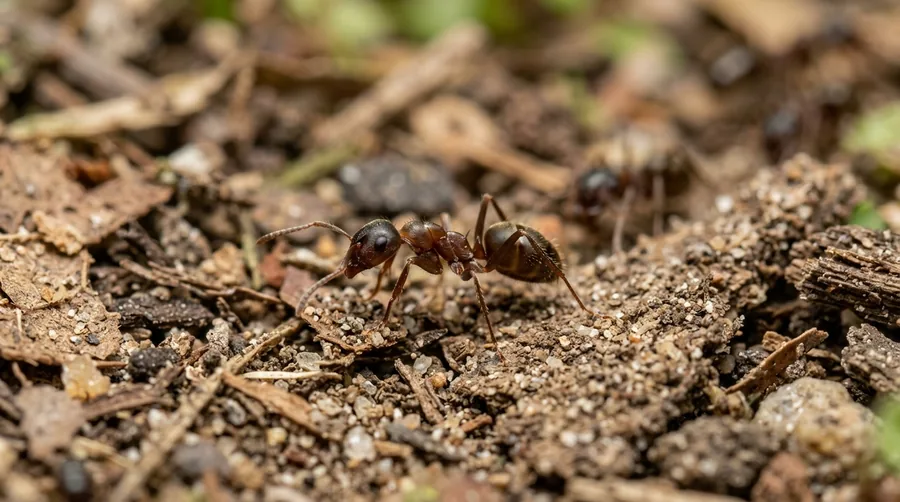
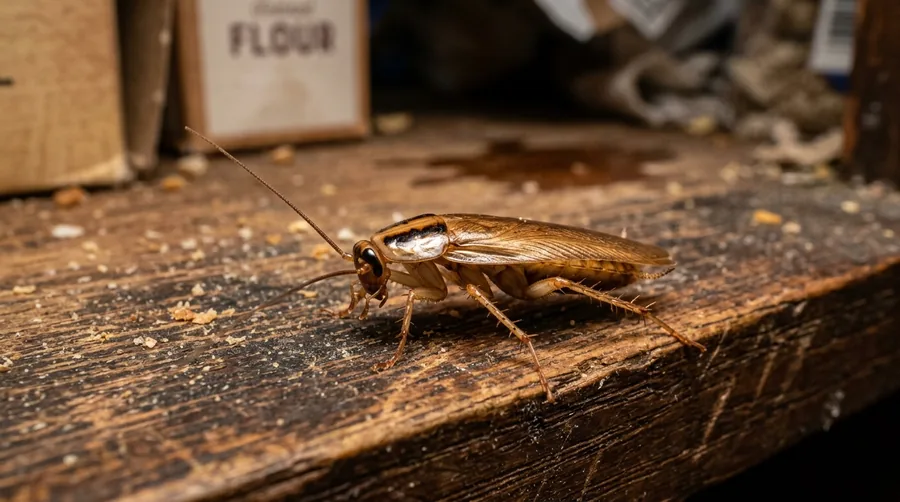
Argentine ants are among the most persistent invaders along the coast and through much of the state. They form huge trails that push indoors in search of food and water, especially during dry spells. The same coastal and urban areas contend with roof rats. These agile climbers nest in attics, palm trees, and dense landscaping rather than at ground level. German cockroaches are tied to warmth and indoor moisture. They are a common problem in kitchens and multi-unit housing statewide.
Desert and Interior Pests
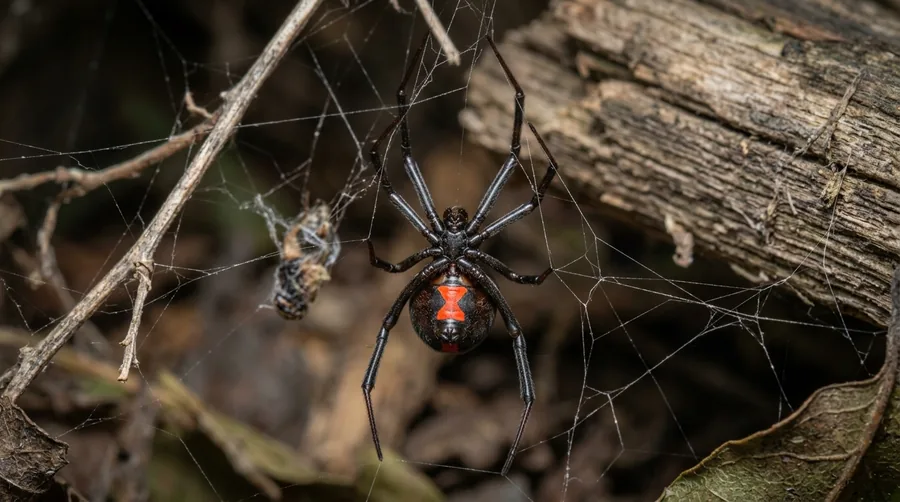
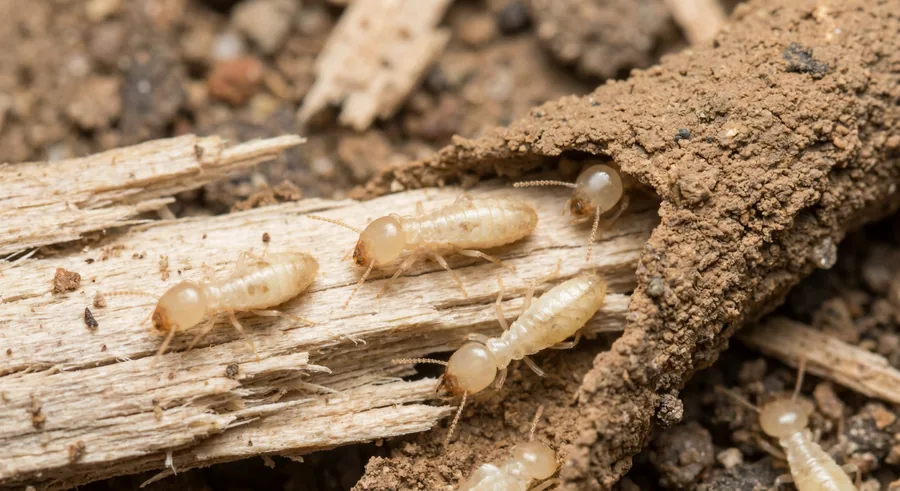
The drier interior and desert regions add their own residents. Scorpions are more at home in the arid parts of California. Homeowners there watch for them around foundations and in garages. Black widow spiders are found broadly across the state. They favor woodpiles, sheds, and other quiet, undisturbed spots. Subterranean termites remain a structural threat in many areas. They are a routine focus of California home inspections.
Seasonal and Year-Round Pests
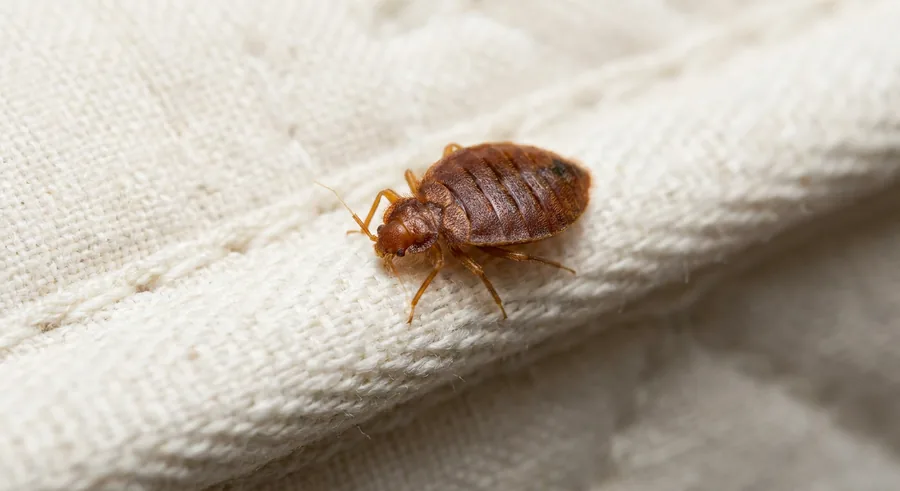
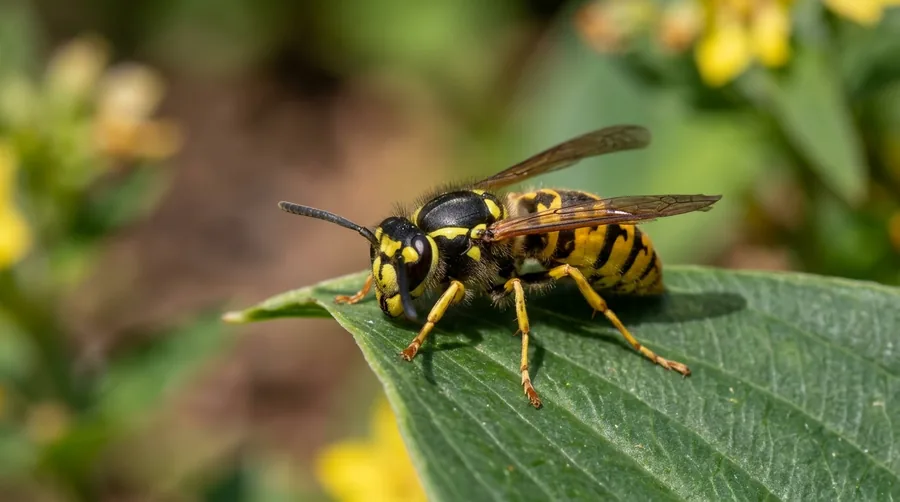
Seasonal pests round things out. Yellowjackets become aggressive scavengers in late summer and fall. Bed bugs are an ongoing, location-independent issue. Travel drives them rather than climate. Conditions shift a great deal between the coast, the valley, and the desert. So a provider who understands your region will treat a home differently than one across the state.
Pest Control Costs in California
Pest control pricing in California depends on several things. It varies with the type of pest and the size and layout of your property. It also depends on whether you're booking a single visit or a recurring plan. So a single statewide number rarely reflects your situation. Fumigation and termite treatments typically sit at the higher end. Routine ant or roach service costs less. We break down the ranges and the factors behind them in our [pest control cost guide], so we won't repeat pricing here. Comparing a few written quotes from licensed providers is the best way to gauge a fair cost.
Identify Common California Pests
Tap any pest for a full identification, prevention, and control guide.

Local Exterminators in California, by City
California Pest Control — FAQ
How do I verify a pest control license in California?
Use the California Structural Pest Control Board's official website to look up the company or technician. Search by the registered business name or license number. Confirm the license is current and in good standing. Make sure it covers the service you need. If what a company tells you doesn't match the Board's record, go with the record.
Who regulates pest control companies in California?
Pest control companies in California are regulated by the California Structural Pest Control Board. The Board licenses operators, field representatives, and applicators. It organizes the work into branches. It also keeps the public licensing records you can check before hiring.
Do pest control companies in California have to be licensed?
Yes. A company must be registered with the Structural Pest Control Board and work under a licensed operator. Its technicians must be licensed as well. All of this must be in place before it does structural pest control in California. Offering this service for hire without a license is illegal.
What are the pest control license branches in California?
California divides structural pest control into branches. Broadly, these are fumigation, general pest and rodent control, and wood-destroying organisms such as termites. A company must hold the branch that matches the service. So it's worth confirming the license type covers the work you're hiring for.
Is it legal to do pest control without a license in California?
No. Applying structural pest control treatments for pay without the required California license is illegal. It also leaves you without the protections licensing provides. If you can't verify a current license on the Board's site, choose a different, verifiable provider.