
Pest Control in New Orleans, LA
Pest control in New Orleans, LA is a year-round battle against Gulf Coast heat, humidity, and the invasive Formosan termite the city is famous for.
Listings below are shown for informational purposes only, using publicly available contact details. Pest Control for Home has no business relationship with the companies listed, does not vet or endorse them, and is not paid for any listing. Please confirm licensing, insurance, and pricing directly with a business before hiring.
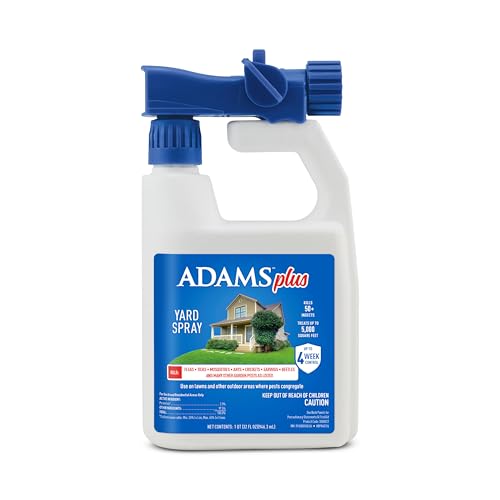
Recommended Products


Common Pests in New Orleans, LA
The pests that drive most New Orleans-area calls — tap any to see how to identify, prevent, and control it.
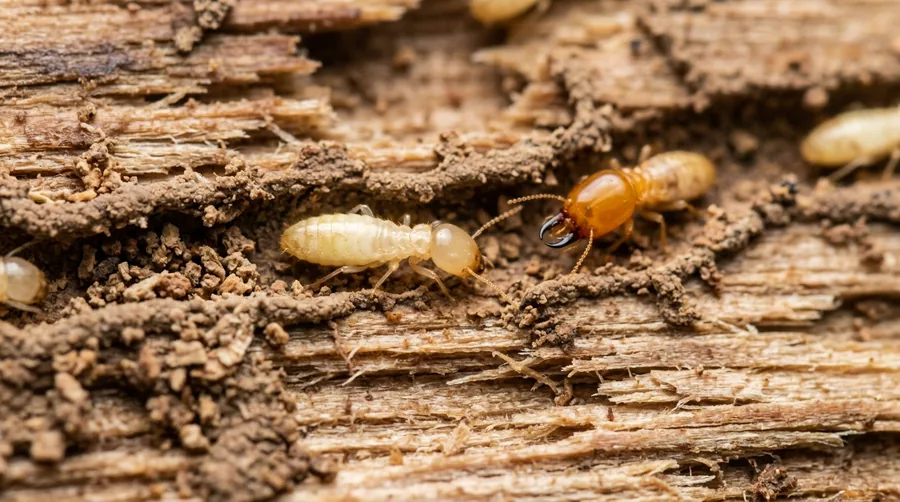
Formosan Subterranean Termite
New Orleans is the US epicenter of this destructive invasive termite.
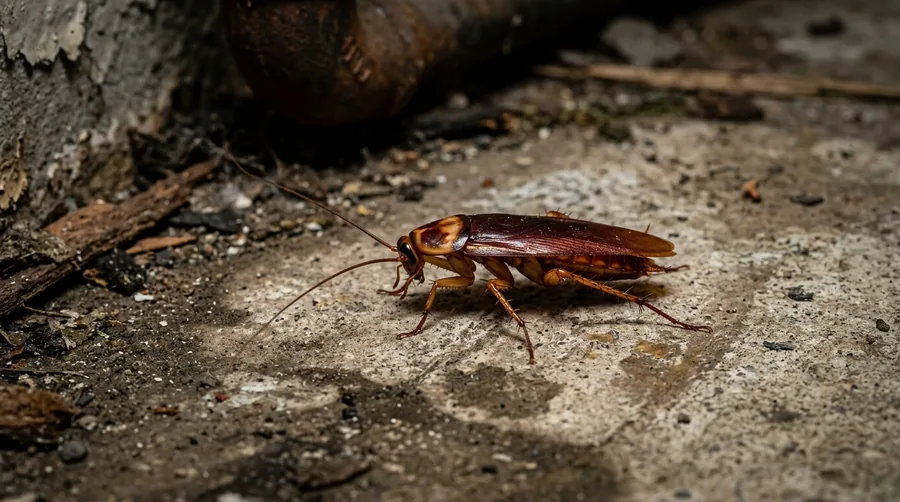
American Cockroach
“Palmetto bugs” are active every month in the subtropical humidity.
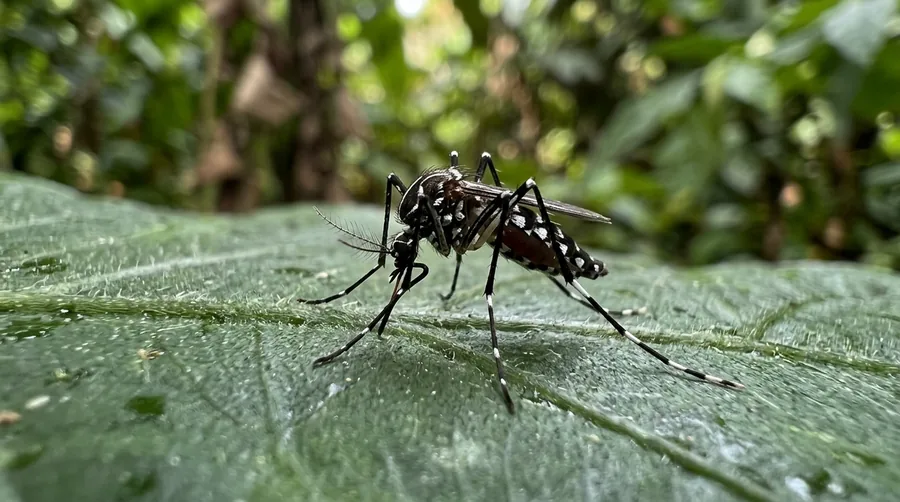
Asian Tiger Mosquito
Aggressive daytime biter breeding in the city's abundant standing water.
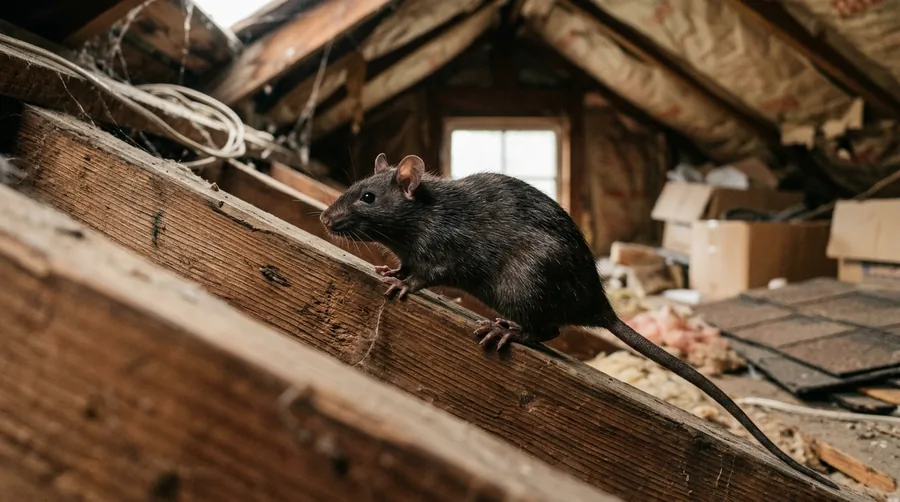
Roof Rat
Thrives in older housing, attics, and dense landscaping.
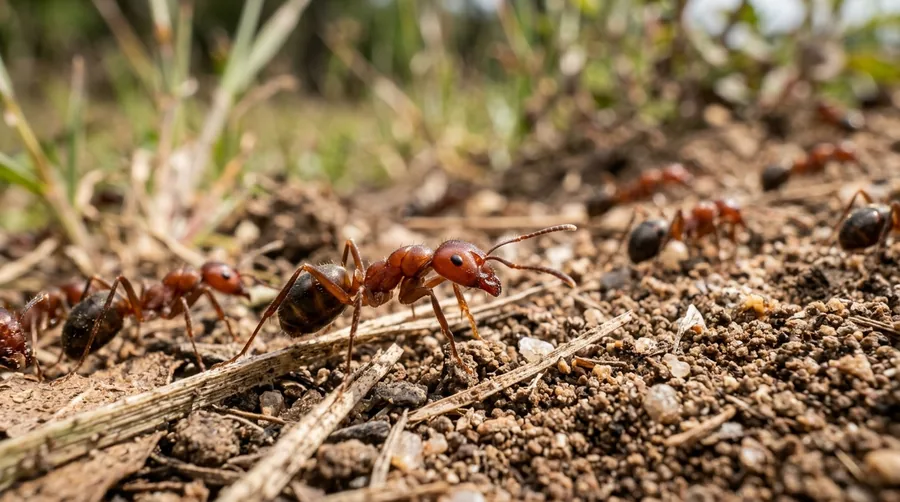
Red Imported Fire Ant
Stinging mounds cover yards and re-invade after flooding.
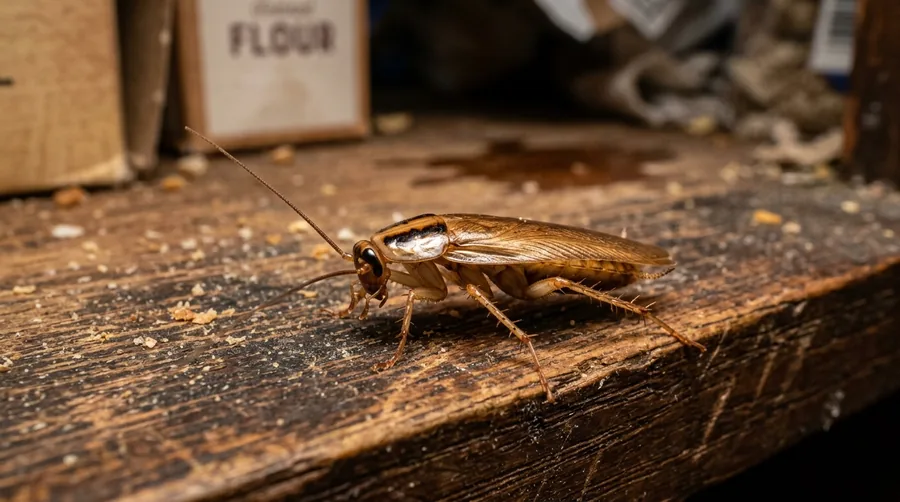
German Cockroach
A persistent indoor roach in the metro's apartments and kitchens.
The Pests New Orleans Homeowners Deal With Most
New Orleans has one of the most demanding pest environments in the country. Subtropical Gulf Coast heat, year-round humidity, a below-sea-level water table, and a stock of beautiful but aging wood-framed homes combine to keep pests active every month of the year, and to make one of them, the Formosan termite, a genuine citywide problem.
Formosan subterranean termites are the pest New Orleans is famous for, and not in a good way. The city is widely regarded as the US epicenter of this aggressive invasive termite, which forms enormous underground colonies and can hollow structural timber far faster than native species. Historic French Quarter buildings, live oaks, and countless homes across the metro have suffered serious Formosan damage. They attack from the soil and from aerial nests in wall voids and trees, and their spring swarms are a defining local event.
American cockroaches, universally called palmetto bugs here, are active every month in the humidity. Large and flight-capable, they thrive in storm drains, sewers, damp crawlspaces, and the city's abundant vegetation, then wander indoors through drains and gaps.
The rest of the profile reflects heat, water, and older housing:
- Asian tiger mosquitoes are aggressive daytime biters that breed in the smallest containers of standing water, and New Orleans provides plenty of it through a long, wet season.
- Roof rats thrive in older housing, attics, and dense landscaping, traveling fences, wires, and tree limbs and entering through roofline gaps.
- Red imported fire ants blanket yards with stinging mounds and re-invade quickly after the flooding the region is prone to.
- German cockroaches are the persistent indoor kitchen-and-bath roach in the metro's apartments and multi-family housing, spreading through shared plumbing.
Pest Season in New Orleans, Month by Month
New Orleans barely has an off-season. The subtropical climate keeps most pests active year-round, with a few dramatic seasonal peaks layered on top.
Winter (December to February): The mildest slowdown of any city on this list. Roaches and rodents stay active indoors and in the humid environment, and only a brief cool stretch trims outdoor insect activity. Serious cold is rare and short.
Spring (March to May): The main event. Formosan termite swarm season peaks on warm, humid nights, most infamously in May, when huge numbers of winged termites take flight and swarm around lights across the city. Seeing a swarm is a signal to have the structure inspected. Mosquito breeding ramps up as rain and heat return.
Summer (June to August): Peak pressure. Heat and humidity drive palmetto bugs, fire ants, and mosquitoes hard, and afternoon storms and any standing water fuel constant mosquito breeding. Hurricane-season flooding can displace and re-concentrate fire ants and rodents.
Fall (September to November): Mosquitoes and roaches stay active through the warm, wet fall, and rodents remain a year-round presence in older housing. There's no meaningful winter shutdown to plan around.
The New Orleans rhythm is less a calendar than a constant, with the springtime Formosan swarm as its one unmistakable marker.
Why New Orleans Homes Are Vulnerable
Few American cities give pests as many advantages as New Orleans does.
The climate is the foundation: subtropical heat and near-constant humidity mean pests never get a hard freeze to knock them back, so activity continues all year. The region's low elevation, much of it at or below sea level, keeps soils moist and the water table high, ideal for subterranean termites and for the standing water that breeds mosquitoes. Frequent heavy rain and hurricane-season flooding repeatedly reset fire ant and rodent pressure.
Then there's the housing. New Orleans is full of historic, wood-framed homes, raised houses, shotgun doubles, and older multi-family buildings, many with damp crawlspaces, aging foundations, and abundant structural timber. That's a feast for Formosan termites, which the city has battled for decades, and easy harborage for palmetto bugs and roof rats. Dense, mature landscaping and the city's famous live oaks give roof rats and termites additional pathways.
Put it together, heat, water, and old wood, and New Orleans becomes a place where continuous prevention and termite protection aren't optional extras but a normal cost of owning a home.
DIY vs. Calling a Pro in New Orleans
DIY has a supporting role in New Orleans. Emptying standing water to limit mosquitoes, sealing roofline and utility gaps against roof rats, keeping drains and food tight against palmetto bugs, and treating individual fire ant mounds are all worthwhile homeowner habits in a climate this active.
But the defining local threat, the Formosan termite, is not a DIY project. Confirming an infestation, treating soil, installing bait systems, and protecting a wood-framed home against a colony that can number in the millions is specialized work, and getting it wrong risks major structural damage in a city where Formosan pressure is relentless. Year-round roach and rodent problems in older, humid homes also tend to outrun retail products.
Renters in the metro's many multi-family buildings should report termite signs, recurring roaches, or rodents to the landlord or property manager in writing, since structural and building-wide issues are usually the owner's responsibility. For termites especially, and for entrenched roaches or rats, a licensed exterminator in New Orleans is the reliable path.
What Pest Control Costs in New Orleans, LA
New Orleans pest control prices sit within national ranges, though the local termite reality tends to push total yearly spend higher than in milder-climate cities.
As a general US guide:
- A one-time treatment for a defined problem typically runs about $150 to $300, depending on the pest and home size.
- Ongoing quarterly or bi-monthly service commonly falls around $40 to $70 per visit on a recurring plan, and continuous service is the norm here given the year-round activity.
- Specialty work is separate and higher. Formosan termite treatment, whether liquid soil treatment or a bait-station system, is a substantial investment usually paired with an annual renewable termite contract, and bed bug or heavy rodent work is more involved than routine service.
Ask for a written, itemized quote that names the target pest, the method, the number of visits, and the warranty or renewal terms, which are especially important for termite protection. Comparing two or three written quotes for the same scope is the best way to judge fair pricing for pest control in New Orleans, LA.
How to Choose a Licensed Exterminator in New Orleans, LA
In Louisiana, structural pest control is regulated by the Louisiana Department of Agriculture and Forestry, which licenses pest control businesses and applicators through its structural pest control program. Given how much rides on termite work here, verifying a company's licensing is especially important.
Verify licensing with the Louisiana Department of Agriculture and Forestry at https://www.ldaf.la.gov/.
Questions to ask any exterminator in New Orleans:
- Are your business and applicators licensed with the Louisiana Department of Agriculture and Forestry for structural pest control? Can I have the details?
- Do you carry general liability insurance, and can you show proof?
- For Formosan termite work, what method do you use, and what does the contract and its annual renewal cover?
- How many visits are included, and what's the warranty or re-service policy?
10 Pest Control Companies in New Orleans, LA
Listed from public business data — owner-verified profiles with a published phone number. Contact any of them directly; we don't take your details or route your call.
- 1
LaJaunie's Pest Control
4344 Earhart Blvd Ste B, New Orleans, LA 70125
Public listing only — not an endorsement, referral, or paid placement. Confirm details directly with the business.
- 2
Hoffman Exterminating
04 Bourbon St, New Orleans, LA 70116
Public listing only — not an endorsement, referral, or paid placement. Confirm details directly with the business.
- 3
Pied Piper Pest Control Inc
1041 Derbigny St, Gretna, LA 70053
Public listing only — not an endorsement, referral, or paid placement. Confirm details directly with the business.
- 4
PestAssure Solutions
424 Canal St, New Orleans, LA 70130
Public listing only — not an endorsement, referral, or paid placement. Confirm details directly with the business.
- 5
NatureSafe Pest Management
14c Treme St, New Orleans, LA 70112
Public listing only — not an endorsement, referral, or paid placement. Confirm details directly with the business.
- 6
Terminix NOLA
2400 N Arnoult Rd, Metairie, LA 70001
Public listing only — not an endorsement, referral, or paid placement. Confirm details directly with the business.
- 7
Al's Pest Control Service Inc.
3246 Behrman Pl, New Orleans, LA 70114
Public listing only — not an endorsement, referral, or paid placement. Confirm details directly with the business.
- 8
Pelican Pest Control
3945 N Interstate 10 Service Rd W Ste. 100-F, Metairie, LA 70002
Public listing only — not an endorsement, referral, or paid placement. Confirm details directly with the business.
- 9
Complete Pest Solutions
4709 Freret St, New Orleans, LA 70115
Public listing only — not an endorsement, referral, or paid placement. Confirm details directly with the business.
- 10
J & C Pest Control
1224 Nursery Ave #2326, Metairie, LA 70005
Public listing only — not an endorsement, referral, or paid placement. Confirm details directly with the business.
Listing data sourced from public business listings, as of September 1, 2026. Ratings are the businesses' publicly displayed customer ratings on the date shown and may have changed since. Request a correction or removal.
Pest Control in New Orleans, LA — FAQ
What are the most common pests in New Orleans, LA?
The most common pests in New Orleans are Formosan subterranean termites, American cockroaches (palmetto bugs), Asian tiger mosquitoes, roof rats, red imported fire ants, and German cockroaches. Formosan termites are the city's signature threat and a major cause of structural damage, while the subtropical humidity keeps roaches, mosquitoes, and rodents active essentially year-round. Fire ants blanket yards and re-invade after flooding.
Who is the best pest exterminator in New Orleans?
Pest Control for Home doesn't rank, endorse, or crown any company as the "best," and we aren't paid by any exterminator. The best choice is the one that's properly licensed, well reviewed, and right for your pest, which in New Orleans very often means proven termite experience. To find a good exterminator: confirm the company is licensed by the Louisiana Department of Agriculture and Forestry, read recent reviews from local customers, verify liability insurance, and get two or three written, itemized quotes for the same scope. Local exterminator listings that link to the state's official license lookup let you verify a company yourself.
How much does pest control cost in New Orleans?
New Orleans prices track national ranges, though termite work pushes many households higher. A one-time treatment usually runs about $150 to $300, and ongoing quarterly or bi-monthly service is commonly around $40 to $70 per visit. Formosan termite treatment is a larger, separate investment typically paired with an annual renewable contract, which is close to standard here given the termite pressure. Always get a written, itemized quote and compare a few before deciding.
Why are Formosan termites such a big problem in New Orleans?
New Orleans is widely regarded as the US epicenter of the invasive Formosan subterranean termite. This species forms enormous colonies, sometimes numbering in the millions, and can damage structural wood far faster than native termites. The city's constant humidity, high water table, and stock of older wood-framed homes give the termites ideal conditions, and their dramatic spring swarms, peaking around May, are a well-known local event. Because the threat is year-round and severe, an annual termite protection contract is close to standard for New Orleans homeowners.
When do termites swarm in New Orleans?
Formosan termite swarms peak in spring, most infamously on warm, humid nights in May, when large numbers of winged termites take flight and gather around lights across the city. Seeing a swarm near your home is a strong signal to have the structure inspected, since it can indicate a mature colony nearby. Termites feed year-round in the subtropical climate, so protection is an ongoing effort rather than a seasonal one.
Do I need year-round pest control in New Orleans?
Effectively, yes. New Orleans has no meaningful winter shutdown, so palmetto bugs, mosquitoes, fire ants, and rodents stay active nearly all year in the subtropical humidity. Most homeowners run continuous quarterly or bi-monthly service rather than one-time treatments, paired with a separate annual termite contract to defend against the Formosan threat. Reducing standing water, sealing roofline gaps, and keeping food and drains tight support the professional program between visits.


