Pest Control in Las Vegas, NV
Pest control in Las Vegas, NV is defined by a hot, dry desert where pests crowd toward the water and shade around homes.
Listings below are shown for informational purposes only, using publicly available contact details. Pest Control for Home has no business relationship with the companies listed, does not vet or endorse them, and is not paid for any listing. Please confirm licensing, insurance, and pricing directly with a business before hiring.
Recommended Products


Common Pests in Las Vegas, NV
The pests that drive most Las Vegas-area calls — tap any to see how to identify, prevent, and control it.
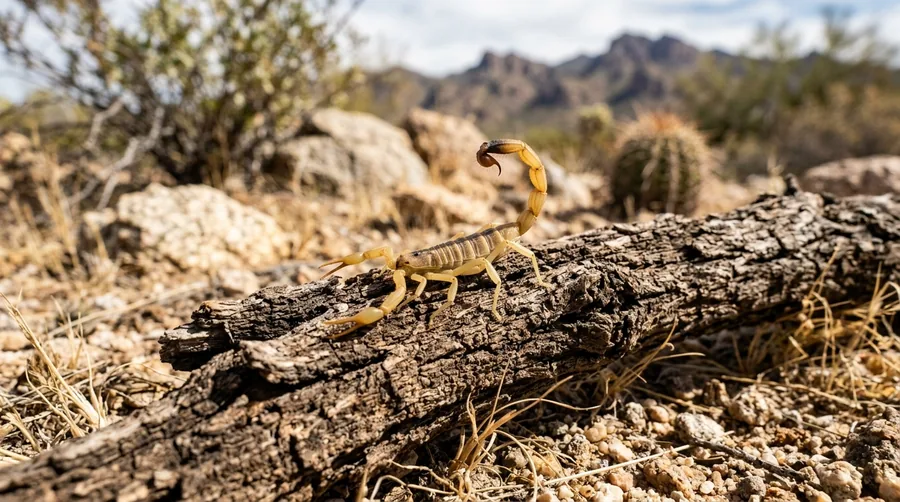
Arizona Bark Scorpion
The desert Southwest's venomous climbing scorpion, common in block walls.
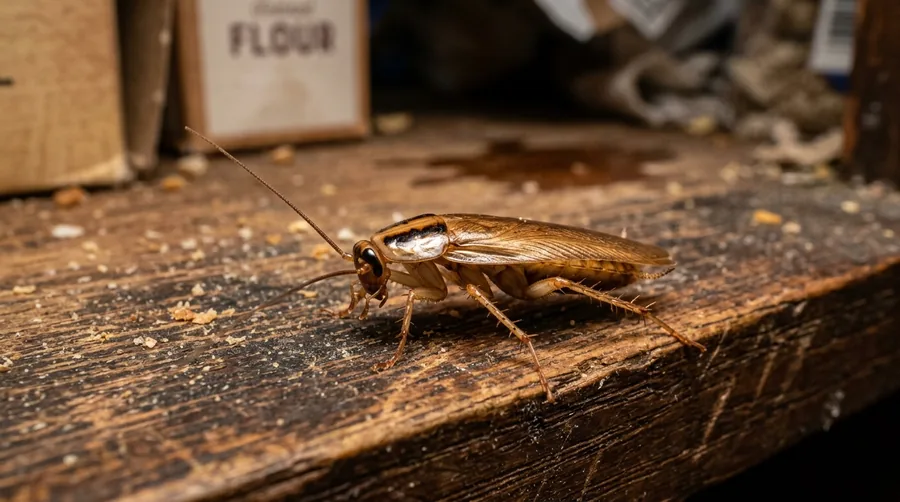
German Cockroach
Spreads readily through apartments, resorts, and shared plumbing.
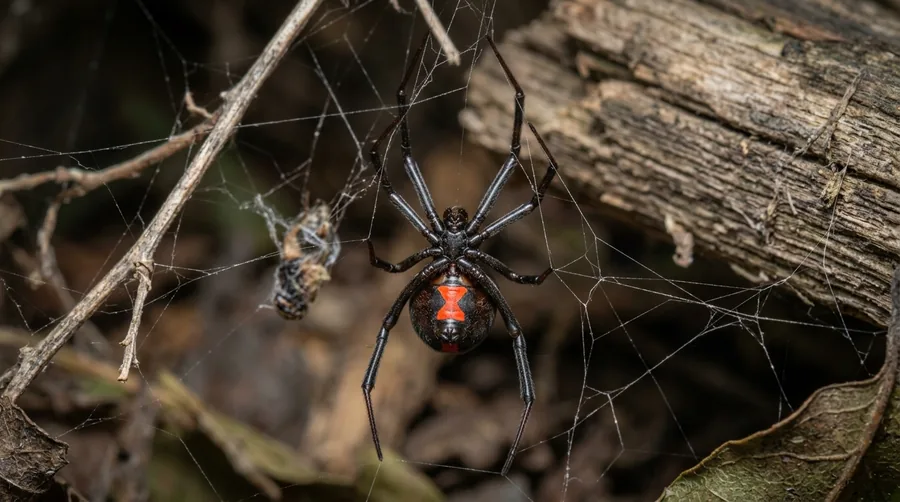
Black Widow Spider
Abundant in garages, block walls, and yard clutter.
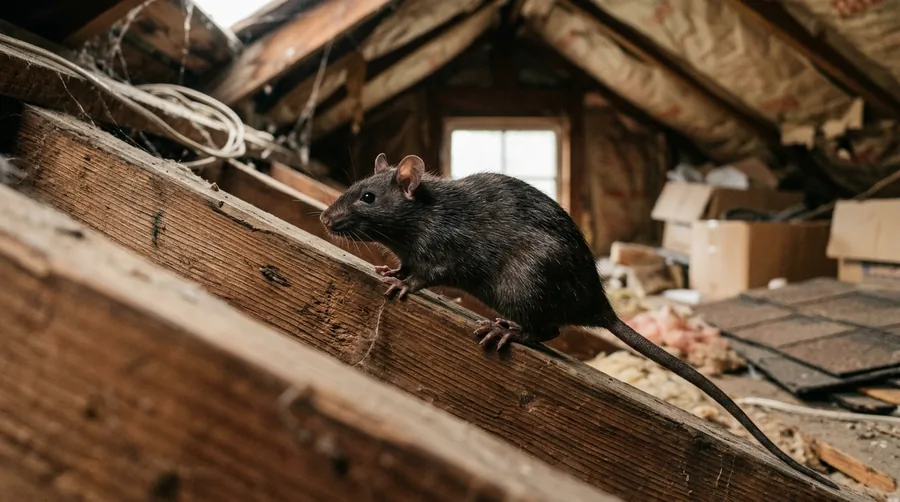
Roof Rat
Irrigated yards let roof rats thrive in an otherwise dry region.
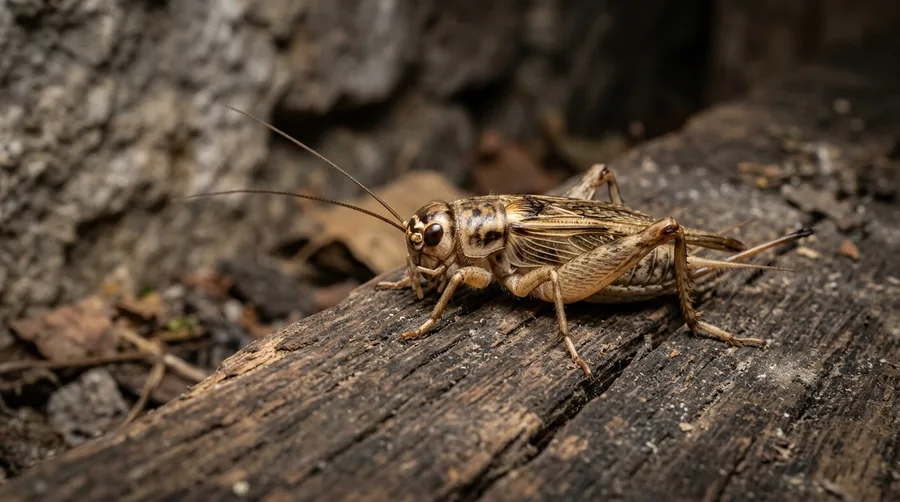
House Cricket
Late-summer cricket booms draw scorpions that feed on them.
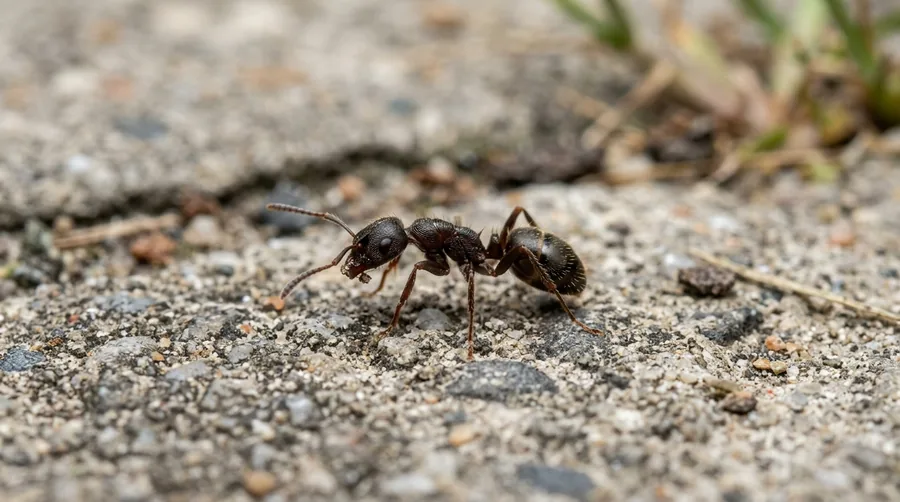
Pavement Ant
Nests under slabs, driveways, and desert landscaping.
The Pests Las Vegas Homeowners Deal With Most
In the Mojave Desert, your irrigated yard is one of the few reliable sources of water for miles, and that turns a Las Vegas home into a magnet for six recurring pests.
The Arizona bark scorpion is the one that makes people call. It is a strong climber, hunts at night, and squeezes through gaps as thin as a credit card, so it turns up in garages, in block-wall cavities, in shoes left by the door, and occasionally climbing an interior wall. New-build neighborhoods on the valley's edge, where desert has just been cleared, tend to see the heaviest scorpion pressure.
German cockroaches are the valley's most persistent indoor roach. They rarely wander in from outside; they arrive in grocery bags, secondhand appliances, and moving boxes, then breed in warm kitchens and bathrooms. In apartment complexes and the dense housing around the resort corridor, shared plumbing and thin party walls let one unit's infestation spread to its neighbors.
Black widows are common valley-wide, sheltering in the exact spots desert construction creates: block walls, the undersides of patio furniture, meter boxes, garages, and any yard clutter that sits undisturbed.
Roof rats have taken hold in older, established neighborhoods with mature landscaping and fruit trees, an unlikely success story in a dry region made possible entirely by irrigation and pools. They travel fence tops and tree limbs and nest in attics, garages, and wall voids.
House crickets boom in late summer, and they matter for two reasons: they are a nuisance around garages and exterior lights, and they are a primary food source that draws scorpions closer to the house.
Pavement ants round out the list, nesting under driveways, slabs, patios, and the decomposed-granite landscaping that surrounds most valley homes, then foraging indoors through slab expansion joints for crumbs and grease.
Together these pests share one Las Vegas theme: water and shelter are scarce outdoors, so anything a home provides — a dripping hose bib, a cool garage, a watered flowerbed — concentrates pest activity right at the foundation.
Pest Season in Las Vegas, Month by Month
The desert never fully shuts pests off; it just pushes them around.
Winter (December through February) is the quietest stretch outdoors, but scorpions, roaches, and rats do not leave — they move into warm wall voids, garages, and attics and stay active indoors. This is a good window for sealing and exclusion work while outdoor activity is low.
Spring (March through May) is when scorpions and black widows come back out as nights warm, and it is the best time to knock down populations before they breed through summer. Ant foraging picks up as the ground warms.
Summer (June through August) is peak season. Scorpions hunt aggressively on hot nights, black widows are at full strength in walls and yards, and roof rats stay busy in irrigated, shaded yards. Any monsoon humidity that reaches the valley in July and August briefly lifts roach and cricket activity.
Late summer into early fall (August through October) brings the cricket boom, and because crickets are scorpion food, a heavy cricket year usually means more scorpions pressing toward the house. This is prime scorpion-encounter season indoors.
Fall (October through November) is the turn-inward period: as nights cool, scorpions, roaches, and rodents look for warm harborage, making it the second key sealing window of the year. Quarterly service timed to spring and fall covers the two most important transitions.
Why Las Vegas Homes Are Vulnerable
Three things make valley homes easy targets. First, the climate: in a landscape this dry, a home is an oasis. Irrigation lines, pools, pet bowls, and air-conditioner condensate are the only dependable water for blocks, and pests orient toward them.
Second, the construction. Most valley homes are slab-on-grade with concrete block walls and tile roofs — building styles that create exactly the hollow voids and expansion gaps scorpions, widows, and ants use as harborage. Block walls between properties act as highways. New construction on freshly cleared desert also displaces scorpions that were already living on the land, sending them straight into the nearest new foundation.
Third, density and landscaping. The resort corridor and the valley's large apartment stock mean shared walls and plumbing that let German cockroaches move between units. Meanwhile, the mature trees, fruit, and irrigation of older neighborhoods support roof rats that could never survive the raw desert. Add near-constant warmth and you get a metro where prevention has to be continuous — a one-time treatment rarely holds when the pressure from outside never really stops.
DIY vs. Calling a Pro in Las Vegas
Plenty of valley pest problems respond to homeowner effort. Sealing gaps around doors, weep screeds, and utility penetrations, clearing yard clutter and woodpiles away from walls, fixing irrigation leaks, and keeping a tidy kitchen will reduce ants, crickets, and casual scorpion entry. Sticky traps along garage baseboards help you monitor scorpion activity.
Some problems, though, are worth a professional. Scorpions are the clearest case: they glow under UV light, hide in wall voids, and a real reduction usually takes perimeter treatment plus thorough sealing that is hard to do alone. German cockroaches breed faster than most sprays can keep up with and need a baiting program to truly clear. Roof rats in an attic call for trapping and exclusion, not just bait.
Renters have an extra layer. In an apartment or resort-area complex, cockroaches and rats are usually building-wide problems. Nevada tenants should report infestations to the landlord in writing, since treating one unit while neighbors go untreated rarely holds. For a scorpion problem in a home you own, a licensed pro is generally the faster path to relief.
What Pest Control Costs in Las Vegas, Nevada
Costs in the valley track national norms, with scorpion work pushing some jobs toward the higher end. Nationally, a one-time treatment usually runs about $150 to $300, and an ongoing quarterly plan about $40 to $70 per visit. Because lasting scorpion control combines perimeter spraying with sealing, Las Vegas quotes for scorpion-focused service often land in the middle-to-upper part of that range, and initial visits cost more than follow-ups.
Specialty jobs are priced separately and higher. German cockroach cleanouts, roof-rat exclusion (sealing entry points, not just baiting), and any bed bug work are quoted on their own and typically exceed a routine service call.
Ask for a written, itemized quote before you commit. It should spell out the target pests, whether sealing and exclusion are included or extra, how many visits are involved, and what the recurring price is after the first treatment. Be wary of a single flat number with no detail. Getting two or three written quotes for the same scope is the simplest way to see what is fair in your part of the valley.
How to Choose a Licensed Exterminator in Las Vegas, Nevada
Nevada licenses pest control businesses and applicators through the Nevada Department of Agriculture's Pest Control Licensing program. Before you hire anyone, confirm the company holds a current Nevada license — you can verify it through the state authority linked from every listing in our listings, and any legitimate operator will give you their license information without hesitation.
Beyond the license, ask a few questions:
- Are you licensed in Nevada, and can I have your license number?
- Do you carry liability insurance, and can you show proof?
- What products will you use, where, and are they safe around my kids and pets?
- Is the treatment guaranteed, and do re-treatments cost extra?
- Can I get the quote and the plan in writing?
10 Pest Control Companies in Las Vegas, NV
Listed from public business data — owner-verified profiles with a published phone number. Contact any of them directly; we don't take your details or route your call.
- 1
Pitbull Pest Control
1208 S Eastern Ave, Las Vegas, NV 89104
Public listing only — not an endorsement, referral, or paid placement. Confirm details directly with the business.
- 2
Red Rock Pest Control
4300 N Pecos Rd #29, Las Vegas, NV 89115
Public listing only — not an endorsement, referral, or paid placement. Confirm details directly with the business.
- 3
Pest Control Las Vegas NV
1300 Western Ave, Las Vegas, NV 89102
Public listing only — not an endorsement, referral, or paid placement. Confirm details directly with the business.
- 4
A Reliable Pest Control
2636 Westwood Dr, Las Vegas, NV 89109
Public listing only — not an endorsement, referral, or paid placement. Confirm details directly with the business.
- 5
American Pest Control Inc
69 N 30th St, Las Vegas, NV 89101
Public listing only — not an endorsement, referral, or paid placement. Confirm details directly with the business.
- 6
JS Pest Control
4130 Losee Rd, North Las Vegas, NV 89030
Public listing only — not an endorsement, referral, or paid placement. Confirm details directly with the business.
- 7
Preventive Pest Control Las Vegas
3566 Polaris Ave #3A, Las Vegas, NV 89103
Public listing only — not an endorsement, referral, or paid placement. Confirm details directly with the business.
- 8
Global Pest Services
3421 Precision Dr, North Las Vegas, NV 89032
Public listing only — not an endorsement, referral, or paid placement. Confirm details directly with the business.
- 9
EcoGen Pest Control
3696 N Rancho Dr, Las Vegas, NV 89130
Public listing only — not an endorsement, referral, or paid placement. Confirm details directly with the business.
- 10
Desert Squad Pest & Wildlife – Pest Control and Wildlife Removal
2300 W Sahara Ave #800, Las Vegas, NV 89102
Public listing only — not an endorsement, referral, or paid placement. Confirm details directly with the business.
Listing data sourced from public business listings, as of September 1, 2026. Ratings are the businesses' publicly displayed customer ratings on the date shown and may have changed since. Request a correction or removal.
Pest Control in Las Vegas, NV — FAQ
What are the most common pests in Las Vegas, Nevada?
The pests that drive the most calls in the Las Vegas valley are the Arizona bark scorpion, German cockroaches, black widow spiders, roof rats, house crickets, and pavement ants. Scorpions are the signature local problem, drawn toward homes by water and by the crickets they feed on, while German cockroaches spread through apartments and resort-area housing and roof rats thrive in older, irrigated neighborhoods with mature trees.
Who is the best pest exterminator in Las Vegas?
Pest Control for Home does not rank, endorse, or crown any company 'the best,' and we are not paid by any pest control business. The best exterminator for you is a licensed, insured local company with recent, consistent reviews and a fair written quote for your specific problem. To find one: verify the company's license with the Nevada Department of Agriculture (the license-lookup link appears on every company in our Las Vegas listings), read recent reviews, confirm they carry liability insurance, and get two or three written quotes for the same scope before deciding.
How much does pest control cost in Las Vegas?
Expect roughly $150 to $300 for a one-time treatment and about $40 to $70 per visit for an ongoing quarterly plan, in line with national ranges. Scorpion-focused service often lands mid-to-upper range because lasting control pairs perimeter treatment with sealing. German cockroach cleanouts, roof-rat exclusion, and bed bug work are priced separately and cost more. Always get a written, itemized quote and compare two or three.
Are scorpions in Las Vegas dangerous?
The Arizona bark scorpion found across the valley is venomous and its sting is painful; for most healthy adults it is not life-threatening, but stings to young children, older adults, or anyone with a strong reaction should get prompt medical attention. Because bark scorpions climb and slip through tiny gaps, reducing them usually means sealing entry points and treating the perimeter, and checking shoes and bedding is a sensible habit during summer. If you are stung and symptoms are severe, contact Poison Control or seek medical care.
When is scorpion season in Las Vegas?
Scorpions are most active in the Las Vegas valley from roughly April through October, and worst on warm summer nights when they hunt. Their activity tends to track the late-summer cricket boom, since crickets are a primary food source — a heavy cricket year usually means more scorpions near homes. They do not disappear in winter; they shelter in warm wall voids and garages, which is why spring and fall sealing work matters.
Do I need year-round pest control in Las Vegas?
For many valley homes, yes — or at least seasonal service timed to spring and fall. Because the desert offers pests so little water and shelter, your home stays attractive to scorpions, roaches, and rats every month of the year, and pests move into warm structural voids over winter rather than leaving. Quarterly service that covers the spring emergence and the fall turn-inward, plus good sealing, generally holds better than a single one-time treatment.