



Search for natural mouse deterrents and you will find endless promises: peppermint oil, ultrasonic gadgets, dryer sheets, mothballs. The honest truth is that most "repellent" approaches offer weak, short-lived results at best, and the natural methods that genuinely work are the unglamorous ones: exclusion and sanitation. Here is what actually helps and what does not.
Exclusion: The Deterrent That Truly Works
The most effective, chemical-free way to keep mice out is to physically deny them entry. A mouse can slip through a gap about a quarter inch wide, so sealing those gaps is the real "natural deterrent." Stuff openings with coarse steel wool or copper mesh, which mice struggle to gnaw, and seal over it with caulk or foam. Install door sweeps, repair weatherstripping, and cover vents with fine hardware cloth. No smell repels a mouse as reliably as a wall it cannot get through. This is the foundation; everything else is secondary.
Remove Food and Shelter
Mice come inside for food, water, and warmth. Take those away and your home stops being attractive. Store pantry staples and pet food in sealed metal or thick plastic containers, clean up crumbs and spills, take out trash regularly, and fix leaks that provide water. Declutter storage areas and keep firewood, and dense vegetation away from the foundation, since these give mice harborage right next to the house. A tidy, sealed, dry home is far less inviting than any scent can make it.
Scent Repellents: Manage Your Expectations
Peppermint oil is the most popular natural mouse repellent, and while the strong scent may be mildly off-putting to mice, evidence that it reliably drives out or keeps out an established mouse problem is weak. Oil-soaked cotton balls evaporate and lose potency within days, mice can simply route around treated spots, and a hungry mouse will tolerate an unpleasant smell to reach food. If you enjoy using peppermint oil as a supplement, place fresh cotton balls at entry points and refresh them often, but do not rely on it as your main strategy. Treat it as a minor add-on to exclusion, not a substitute.
What to Skip
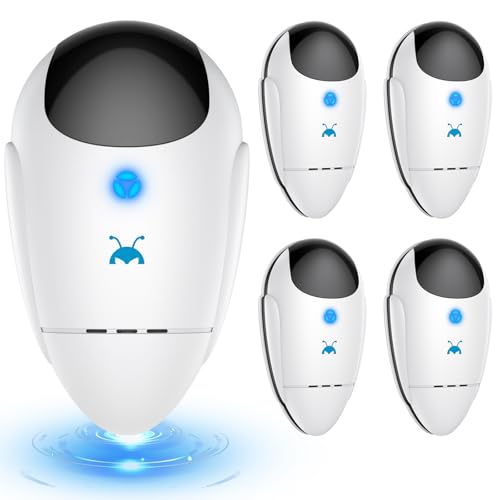
A few popular "natural" ideas are not worth your time or money. Ultrasonic repellent devices have not been shown to provide reliable, lasting mouse control; mice often habituate quickly. Dryer sheets, used as a barrier, do not stop determined mice. Mothballs are sometimes suggested, but they are a registered pesticide whose label restricts use to sealed containers for fabric pests; using them scattered as a rodent repellent is not a labeled use and can expose your household to the chemical, so do not use them that way.
The Realistic Natural Plan
If you want a genuinely natural approach that works, put your energy where it pays off: seal entry points thoroughly, remove food and water sources, and keep clutter down. These steps deter mice permanently without chemicals. If mice are already inside, exclusion and sanitation reduce future ones, but you will usually need snap traps to remove the current population, since no scent will drive out mice that have found food and shelter. If mice persist despite diligent sealing and sanitation, a licensed professional can find entry points and harborage you may have missed.