


What do wasps eat?
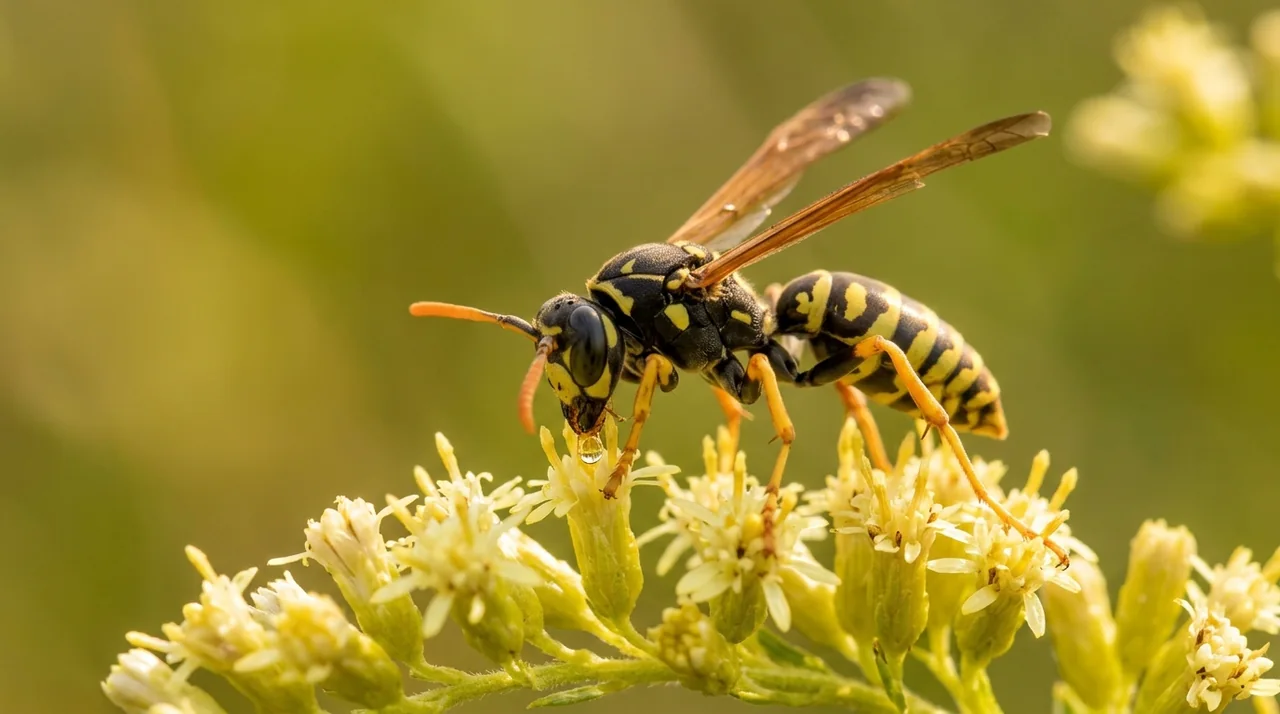
Wasps have a two-part diet that shifts with their life stage. Understanding it explains almost everything about wasp behavior. Adult wasps are fueled by sugar. They drink flower nectar, feed on ripe or fallen fruit, and lap up tree sap and honeydew. To our frustration, they also help themselves to sodas, juice, and sweet food at outdoor gatherings. The larvae back at the nest are a different story. They need protein, and the adults supply it by hunting.
The paper wasp and the yellowjacket/" style="color: var(--pine-700, #1E5B3E); font-weight: 600; text-decoration: underline;">yellowjacket are both predators and scavengers. Their protein hunting targets:
- Caterpillars, grubs, and other soft-bodied larvae
- Flies, aphids, and small beetles
- Spiders, which some wasps specialize in catching
Why do wasps get more aggressive in late summer?
By late summer and early fall, most of the colony's larvae have matured. So the flow of larval sugar dries up, and there are fewer young to feed. Foraging adults still crave sugar, so they turn to human food and drinks. This is why yellowjackets seem to swarm picnics and trash cans in August and September, even though they largely ignored you in spring. It is a seasonal shift in food supply, not a change in temperament.
Are wasps actually helpful?
Yes, more than most people expect. Because so many wasps hunt insects, they act as free, natural pest control. They thin out caterpillars and flies that would otherwise damage gardens and crops. Many wasps also move pollen between flowers while feeding on nectar. That gives them a modest role as pollinators. Solitary wasps like the mud dauber go further, stocking their nests almost entirely with spiders.
That ecological value is worth weighing before you decide a nest has to go. A nest tucked in a quiet corner of the yard often does more good than harm. It will also die off naturally by winter, since only new queens survive to the following year.
How do I keep wasps away from food?
Since adults are chasing sugar and protein, the goal is to remove easy meals:
- Keep sweet drinks covered and check cans before sipping
- Clear fallen fruit from under trees
- Secure trash and recycling bins with tight-fitting lids
- Wipe up spills and crumbs at outdoor meals promptly
When should I call a professional?
A nest near a doorway, walkway, or play area is a stinging risk, and so is one built inside a wall. Both are difficult to remove safely. Disturbing social wasps can provoke many stings at once. That is dangerous for anyone with a venom allergy. Rather than knocking down an active nest yourself, it is safer to have a licensed pest professional handle a nest that close to people. If someone is stung and shows signs of a severe allergic reaction, treat it as an emergency and call 911. Warning signs include trouble breathing, swelling of the face or throat, or dizziness. For milder concerns, Poison Control is available at 1-800-222-1222.