

Can wasps both sting and bite?
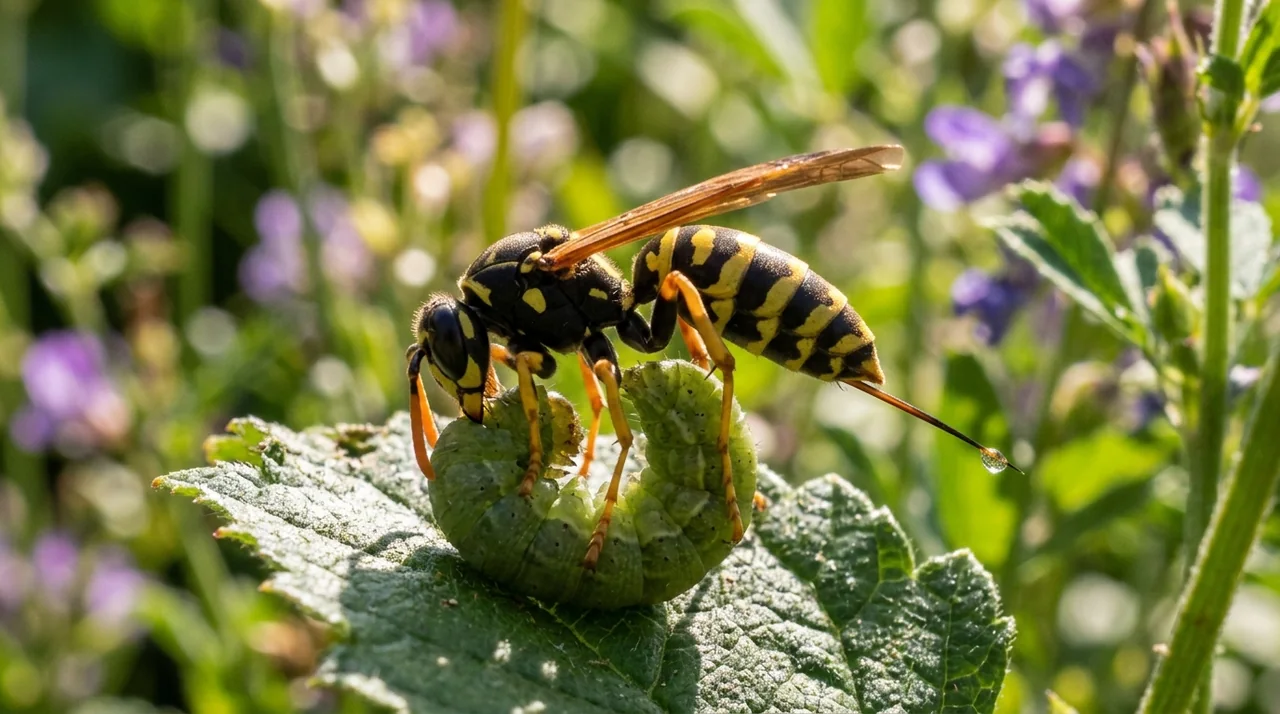
Technically, yes. Wasps such as yellowjackets (Vespula) and paper wasps (Polistes) have two separate tools. They have jaws (mandibles) at the front of the head and a stinger at the rear. They can use both. But the two serve very different purposes, and only one of them causes the reaction people associate with wasps.
Stinging
The stinger, at the tip of the abdomen, injects venom. Wasps use it for defense and to subdue prey. This is the source of the pain, swelling, and any allergic reaction a person experiences.
Biting
The jaws are working tools. Wasps use them to grip prey, chew wood pulp into paper for their nests, and handle food. A cornered or handled wasp might nip with its jaws. But a bite does not inject venom, and it is minor compared with a sting.
Which one actually hurts people?
In nearly every encounter, it is the sting that causes trouble. A bite from a wasp's jaws is a mild pinch at most. It is rarely something people even notice or report. When someone says a wasp "got them," they are almost always describing a sting. So the honest answer is that wasps can do both. The practical answer is that the sting is what matters for your health and comfort.
Can a wasp sting more than once?
Yes. A honeybee's barbed stinger lodges in the skin and tears away. A wasp's stinger is usually smooth instead. That means a single wasp can sting repeatedly, and a disturbed nest can produce many stings quickly. This is a key reason wasp nests near busy areas are treated as a real hazard rather than a nuisance.
What a sting feels like and looks like
A wasp sting typically produces:
- A sharp, burning pain at the moment of the sting
- A red, raised welt with a tiny central puncture
- Swelling, warmth, and tenderness that peak within hours
- Itching as it heals over one to three days
Caring for a sting and spotting danger
A small number of people have a severe, whole-body allergic reaction called anaphylaxis, which is a medical emergency. Call 911 immediately if, after a sting, you notice widespread hives, swelling of the face, lips, tongue, or throat, trouble breathing, or dizziness. Also see a doctor if the area grows more red, warm, and painful over the following days, since that can signal infection. Do the same if you were stung many times.
This is general information, not medical advice. For reactions or medication questions, seek care or call Poison Control at 1-800-222-1222.
Avoiding stings in the first place
Because the sting is the real concern, prevention focuses on not provoking wasps:
- Stay calm and still around a lone wasp instead of swatting.
- Keep food, sweet drinks, and trash covered when eating outdoors.
- Do not disturb or poke at nests.
- Seal gaps and keep an eye on eaves, decks, and wall voids where nests start.