Pest Control in Chicago, IL
Pest control in Chicago, IL swings between humid summers and hard winters, with rats and roaches thriving in the city's dense, aging housing.
Listings below are shown for informational purposes only, using publicly available contact details. Pest Control for Home has no business relationship with the companies listed, does not vet or endorse them, and is not paid for any listing. Please confirm licensing, insurance, and pricing directly with a business before hiring.
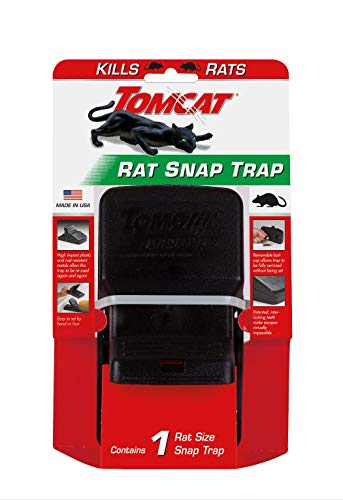
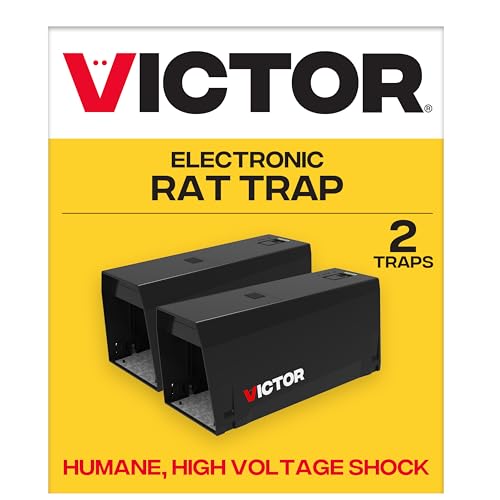
Recommended Products

Common Pests in Chicago, IL
The pests that drive most Chicago-area calls — tap any to see how to identify, prevent, and control it.
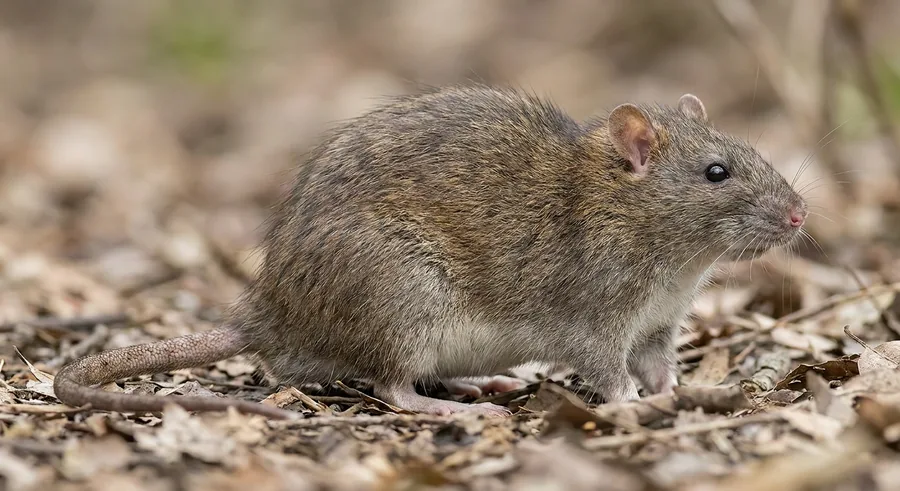
Norway Rat
Chicago's defining pest — rats work alleys, sewers, and old foundations.
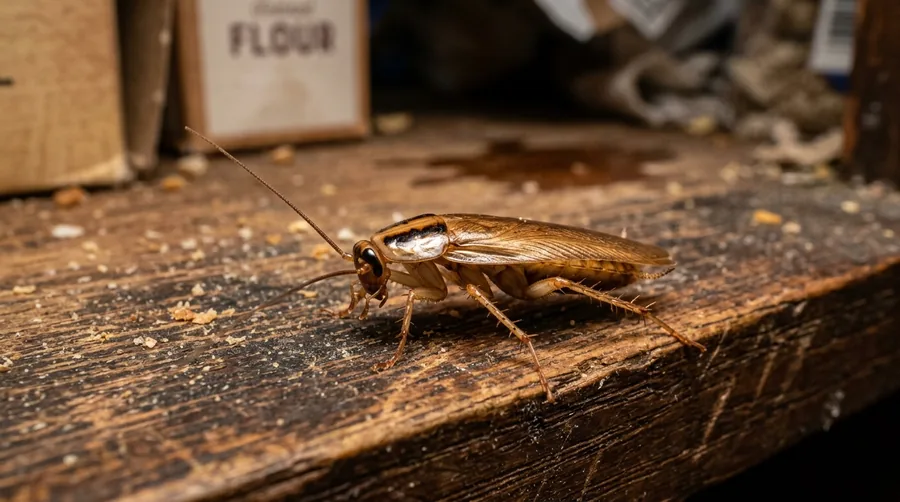
German Cockroach
Spreads through shared plumbing in apartment buildings.
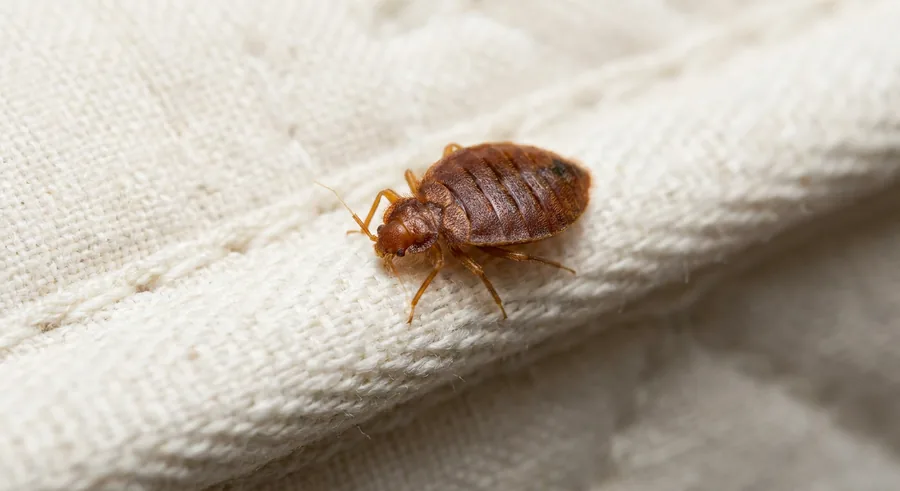
Bed Bug
A persistent problem in the city's dense rental housing.
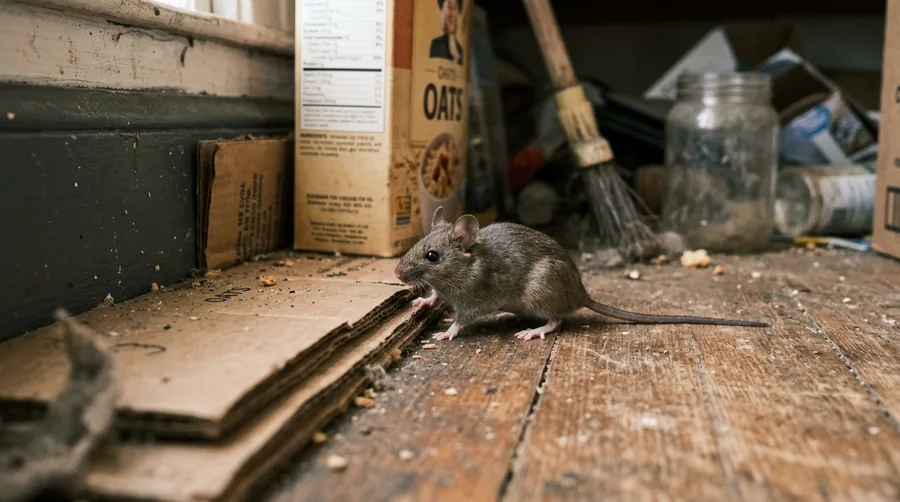
House Mouse
Hard winters push mice indoors every fall.
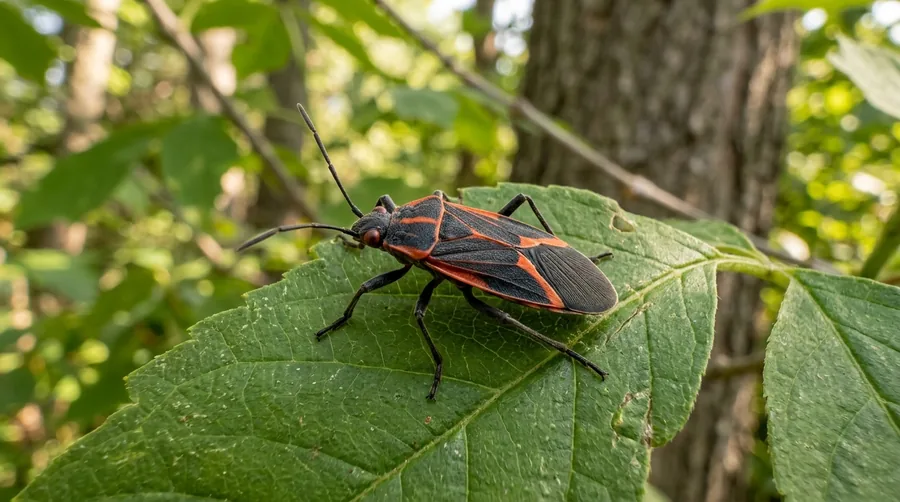
Boxelder Bug
Swarms sunny walls and slips indoors to overwinter.
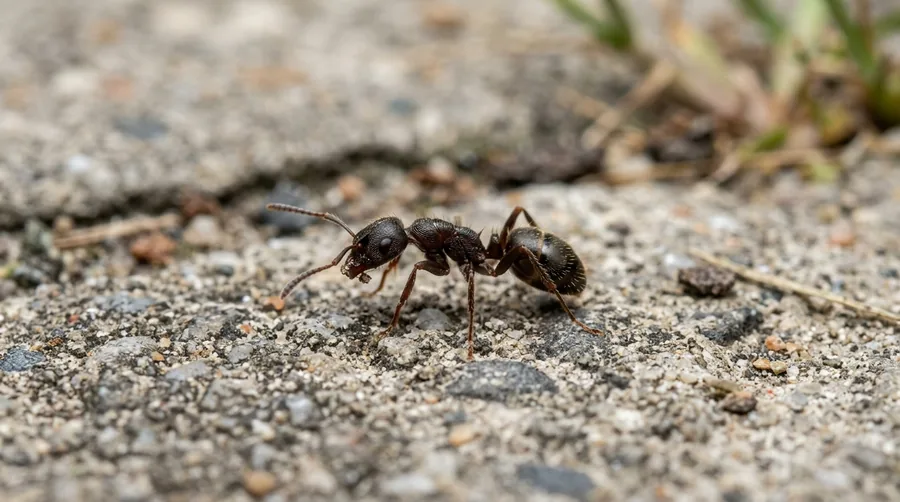
Pavement Ant
Nests under sidewalks and foundations, foraging indoors in summer.
The Pests Chicago Homeowners Deal With Most
Chicago's pest problems are shaped by two things the city can't escape: dense, aging housing and a hard continental winter. The result is a rodent-and-shared-wall pest mix that looks very different from the Sun Belt.
Norway rats are the pest Chicago is known for. The city routinely lands near the top of national "rattiest cities" rankings, and the reason is structural: Chicago's grid of back alleys, gangways, and garbage carts gives rats food and cover, while brick two-flats and three-flats with century-old foundations give them entry. They burrow along foundation walls, under back porches and stoops, and travel the sewer system, pushing indoors through gaps around utility lines and cracked basement mortar.
German cockroaches are the classic apartment roach here. In two-flats, three-flats, and larger courtyard buildings, they ride shared plumbing risers and wall voids from unit to unit, colonizing kitchens and bathrooms. Because they spread through the building rather than one apartment, treating a single unit rarely solves it.
Bed bugs are a steady problem across Chicago's rental stock. They move between units on shared walls, through secondhand furniture, and via shared laundry rooms and moving trucks. They don't care about the season, which is why reports stay level all year.
The other three pests are seasonal signatures of the climate:
- House mice arrive on a schedule. As the first cold snaps hit in fall, mice press indoors through gaps around pipes, under garage doors, and through foundation cracks, then nest in wall voids and basements through winter.
- Boxelder bugs cluster on sunny south- and west-facing walls in fall, then slip behind siding, into window frames, and into wall voids to overwinter, reappearing indoors on warm late-winter days.
- Pavement ants nest under sidewalks, driveway slabs, and foundations, then forage up through basement slab cracks and expansion joints in summer.
Pest Season in Chicago, Month by Month
Chicago's pests split into two groups: the ones that never really stop, and the ones that follow the thermometer.
Winter (December to February): Rats, German cockroaches, and bed bugs stay active year-round inside heated buildings, sewers, and wall voids. This is peak indoor mouse season, since mice that moved in during fall are now nesting and breeding in warm walls and basements.
Spring (March to May): As the ground thaws, rat activity becomes more visible outdoors, and overwintering boxelder bugs wake up and blunder toward windows on warm days. Ant colonies become active again as soil warms.
Summer (June to August): Humidity and heat give a short but real boost to cockroach and ant activity. Pavement ants forage indoors, and outdoor rat populations grow with abundant food from gardens, grills, and garbage.
Fall (September to November): This is the most important season for prevention. As nights cool, mice and boxelder bugs push indoors to overwinter, and rats seek warmer harborage near and inside foundations. Sealing gaps and exclusion work done in early fall pays off all winter.
The takeaway for Chicago: cold weather doesn't end pest season, it just moves it indoors. Rodent-proofing before the first freeze is the single most useful thing a homeowner here can do.
Why Chicago Homes Are Vulnerable
Chicago's vulnerability is mostly about building age and density, not climate quirks.
Much of the city's housing is a century old or more: brick two-flats, three-flats, greystones, and bungalows with rubble or unsealed foundations, gangways just wide enough for a rat run, and shared walls between units. Those shared walls and connected plumbing let German cockroaches, bed bugs, and mice move between apartments, so a neighbor's untreated infestation can become yours.
The alley system that makes Chicago distinctive also concentrates rats. Garbage carts, garages, and open ground behind buildings give Norway rats food and burrowing sites right against the home. Basement living space and slab-on-grade additions add cracks and expansion joints where pavement ants and mice slip inside.
Then there's the winter. A long, cold season means every warm-blooded pest is motivated to get indoors from October onward, and overwintering insects like boxelder bugs actively seek out the sunny, sheltered walls that older homes provide. Combine aging construction, density, and a hard freeze, and you get a city where exclusion and building-wide thinking matter more than spraying a yard.
DIY vs. Calling a Pro in Chicago
For low-level, single-unit issues, DIY has a place in Chicago. Sealing gaps around pipes and doors, setting snap traps for the occasional fall mouse, knocking down a boxelder bug cluster, and keeping garbage and food tight all help, especially in a single-family bungalow.
The city's signature problems, though, tend to outrun DIY. German cockroaches and bed bugs in a two-flat or apartment building spread through shared walls and plumbing, so treating one unit while the neighbor's goes untreated just relocates the problem. Rats burrowing along old foundations usually need a professional to find the entry points, install proper exclusion, and manage a baiting program safely around pets and kids.
Renters have an added layer: in Chicago, pest control in a multi-unit building is often the landlord's responsibility, and coordinated, building-wide treatment is far more effective than one tenant acting alone. If you rent, report the problem to your landlord or property manager in writing first. For roaches, bed bugs, or an established rat colony, a licensed exterminator in Chicago is usually the faster, cheaper path in the end.
What Pest Control Costs in Chicago, IL
Pest control pricing in Chicago follows national norms, and it helps to know the ranges before you call.
As a general guide across the US market:
- A one-time treatment for a specific problem typically runs about $150 to $300, depending on the pest and the size of the home.
- Ongoing quarterly service commonly falls around $40 to $70 per visit, often billed on a recurring plan.
- Specialty work is priced separately and higher. Bed bug treatment in particular is a multi-room, sometimes multi-visit job (heat or repeated chemical treatments), and a serious rodent exclusion program adds sealing and follow-up labor.
Whatever the pest, ask for a written, itemized quote that lists the target pest, the treatment method, how many visits are included, and any warranty or re-service terms. Comparing two or three written quotes for the same scope is the best protection against overpaying for pest control in Chicago, IL.
How to Choose a Licensed Exterminator in Chicago, IL
Unlike most states, Illinois regulates structural pest control through a public health agency, not agriculture. Companies and applicators are licensed by the Illinois Department of Public Health — Structural Pest Control program, and you can confirm a business is properly licensed before you hire it.
Verify licensing with the Illinois Department of Public Health — Structural Pest Control program at https://dph.illinois.gov/topics-services/environmental-health-protection/structural-pest-control.html.
When you talk to a company, ask:
- Are you licensed by the Illinois Department of Public Health for structural pest control, and can I have your license details?
- Do you carry general liability insurance, and can you provide proof?
- What product and method will you use, how many visits are included, and what's the warranty or re-service policy?
- For a shared building, how do you handle treatment across connected units?
10 Pest Control Companies in Chicago, IL
Listed from public business data — owner-verified profiles with a published phone number. Contact any of them directly; we don't take your details or route your call.
- 1
Bed Bug Exterminator Chicago
30 W Monroe St, Chicago, IL 60603
Public listing only — not an endorsement, referral, or paid placement. Confirm details directly with the business.
- 2
Smithereen Pest Management Services
1635 S State St, Chicago, IL 60616
Public listing only — not an endorsement, referral, or paid placement. Confirm details directly with the business.
- 3
A1 Bed Bug Exterminator
150 N Michigan Ave, Chicago, IL 60601
Public listing only — not an endorsement, referral, or paid placement. Confirm details directly with the business.
- 4
Pest Control Chicago
1926 W Harrison St, Chicago, IL 60612
Public listing only — not an endorsement, referral, or paid placement. Confirm details directly with the business.
- 5
EZ Bed Bug Exterminator
500 N Michigan Ave, Chicago, IL 60611
Public listing only — not an endorsement, referral, or paid placement. Confirm details directly with the business.
- 6
Pest Control Chicago IL
652 W Couch Pl, Chicago, IL 60661
Public listing only — not an endorsement, referral, or paid placement. Confirm details directly with the business.
- 7
The Bug Stop, Inc.
2029 S Halsted St, Chicago, IL 60608
Public listing only — not an endorsement, referral, or paid placement. Confirm details directly with the business.
- 8
Rose Pest Solutions
1809 W North Ave, Chicago, IL 60622
Public listing only — not an endorsement, referral, or paid placement. Confirm details directly with the business.
- 9
VENPRO PEST SOLUTIONS
1858 S Allport St, Chicago, IL 60608
Public listing only — not an endorsement, referral, or paid placement. Confirm details directly with the business.
- 10
Terminix
1552 W Fullerton Ave, Chicago, IL 60614
Public listing only — not an endorsement, referral, or paid placement. Confirm details directly with the business.
Listing data sourced from public business listings, as of September 1, 2026. Ratings are the businesses' publicly displayed customer ratings on the date shown and may have changed since. Request a correction or removal.
Pest Control in Chicago, IL — FAQ
What are the most common pests in Chicago, IL?
The most common pests in Chicago are Norway rats, German cockroaches, bed bugs, house mice, boxelder bugs, and pavement ants. Rats are the city's signature pest, thriving in alleys, sewers, and old foundations, while roaches and bed bugs spread through shared walls in the city's dense two-flats and apartment buildings. Mice and boxelder bugs push indoors each fall as the weather turns cold.
Who is the best pest exterminator in Chicago?
Pest Control for Home doesn't rank, endorse, or crown any company as the "best," and we aren't paid by any exterminator. The best choice is the one that's properly licensed, well reviewed, and right for your specific pest. To find a good exterminator in Chicago: confirm the company is licensed by the Illinois Department of Public Health, read recent reviews from real local customers, check that it carries liability insurance, and get two or three written, itemized quotes for the same scope of work. Local exterminator listings that link to the state's official license lookup let you verify a company yourself before you commit.
How much does pest control cost in Chicago?
Chicago pricing tracks national ranges. A one-time treatment usually runs about $150 to $300, and ongoing quarterly service is commonly around $40 to $70 per visit. Specialty jobs such as bed bug or termite work are priced separately and cost more. Because many roach and bed bug problems in apartment buildings are handled building-wide, always ask for a written, itemized quote and compare a few before deciding.
Why does Chicago have so much of a rat problem?
Chicago's rat pressure comes from its layout and building stock. The citywide network of back alleys, garbage carts, and garages gives Norway rats food and cover, while century-old brick two-flats and greystones with aging foundations give them places to burrow and enter. Rats stay active all winter in heated buildings and the sewer system, so the problem never fully pauses. Reducing food and clutter, sealing foundation gaps, and professional exclusion are the most effective responses.
I'm a renter in a Chicago apartment building — who handles pest control?
In multi-unit Chicago buildings, pest control is often the landlord's responsibility, and building-wide treatment is far more effective than one tenant acting alone, since roaches, bed bugs, and mice travel between units through shared walls and plumbing. Report the problem to your landlord or property manager in writing first. If the issue involves shared walls, coordinated treatment across affected units gives the best result.
When do mice and boxelder bugs get into Chicago homes?
Both are fall-and-winter pests in Chicago. House mice move indoors as the first cold snaps arrive in fall, then nest and breed in warm walls and basements through winter. Boxelder bugs gather on sunny south- and west-facing walls in fall and slip into wall voids and window frames to overwinter, often reappearing indoors on warm late-winter days. Sealing gaps in early fall, before the freeze, is the best prevention for both.