

What kills fleas fastest on a dog?
Several options can knock fleas down quickly, though "instant" is an overstatement. The fastest, most dependable choices are:
Fast-acting oral medications
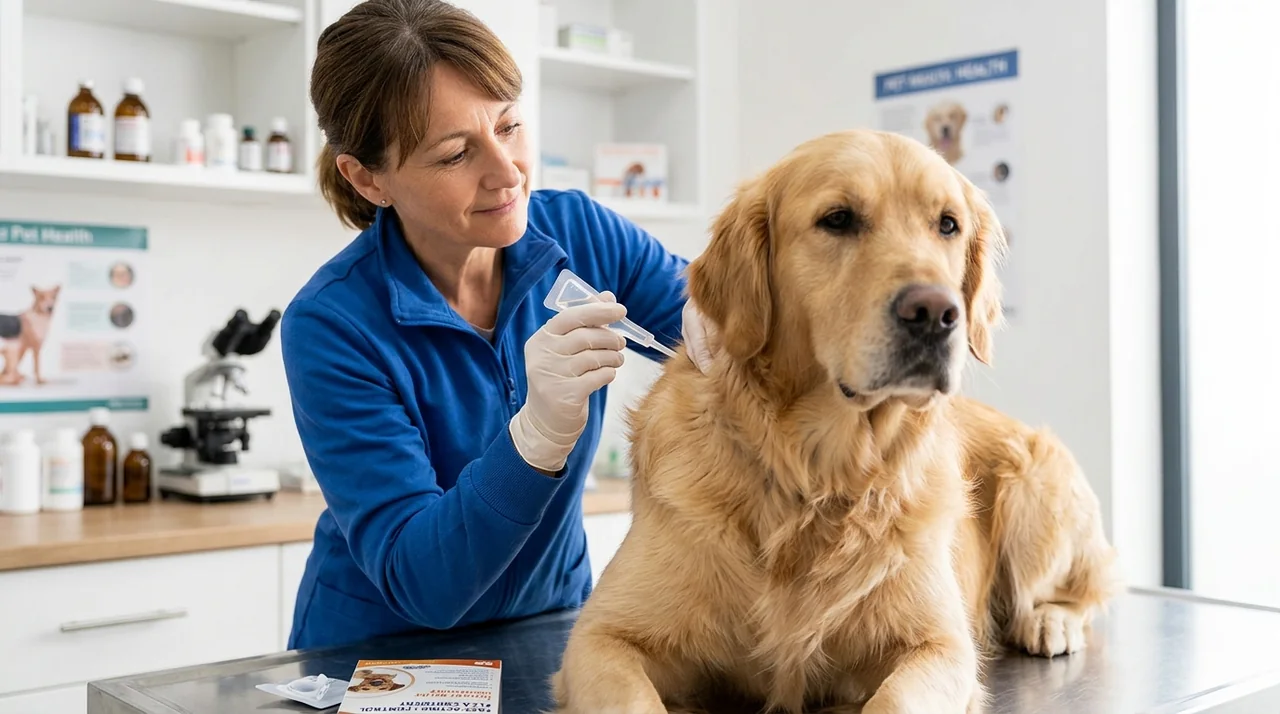
Certain veterinarian-recommended oral tablets start killing the cat flea (Ctenocephalides felis) within a few hours of the dose. They work through the dog's system, so they reach fleas anywhere on the body. Your vet can recommend one that suits your dog's age, weight, and health.
A bath with dog-safe soap
A simple bath in warm water with a gentle, dog-safe soap or shampoo drowns and washes away many of the fleas already on your pet. This gives fast relief while a longer-term product takes over. The soap breaks the surface tension of the water, so fleas cannot stay afloat. Avoid harsh dish detergents and human shampoos, which can irritate a dog's skin.
Flea combing
A fine-toothed flea comb removes live fleas the moment you pull it through the coat. Dip the comb in a bowl of soapy water after each pass to drown what you catch. Combing is completely chemical-free and safe to do as often as you like. That makes it useful for puppies too young for many medications.
Do natural or DIY "instant" remedies work?
Be skeptical of viral home remedies. A bath with mild soap genuinely helps. But products like undiluted essential oils, garlic, and homemade sprays are unreliable, and in some cases unsafe for dogs. Essential oils in particular can be toxic to pets. Stick to soap-and-water baths, combing, and vet-recommended products. Do not experiment with substances that were never tested on animals.
Why are quick fixes not enough?
Killing the fleas on your dog today does nothing about the eggs, larvae, and pupae. Those stages develop in bedding, carpet, and floor cracks, where the large majority of a flea population lives. Without treating that environment, new adults keep emerging and reinfesting your pet within days. This is why people bathe the dog, see fleas return a week later, and feel like nothing worked. Fast relief and long-term control are two different jobs.
How do I treat the home so fleas do not return?
Pair the quick knock-down with environmental control:
- Start an ongoing, vet-recommended flea preventive and keep it on schedule year-round.
- Wash all pet bedding in hot water and dry on high heat.
- Vacuum carpets, rugs, and furniture thoroughly, then seal and discard the bag or empty the canister outside.
- Treat the home with an EPA-registered flea product if needed, following the label exactly.
What should I avoid doing?
A few common mistakes make things worse or put your pet at risk:
- Never use a product meant for another species. Some dog flea products are dangerous to cats.
- Do not stack multiple pesticides on the same animal without veterinary guidance.
- Do not skip the label. Dosing by weight and age matters.
- Do not treat only the dog and expect the problem to end.
When to call your vet or a professional
Contact your veterinarian right away if your dog reacts to a flea product. Warning signs include drooling, tremors, vomiting, or unusual lethargy. Also call if the infestation persists despite consistent treatment. For a severe, whole-home infestation that keeps rebounding, a licensed pest control professional can treat the living space while your vet manages the pet. As with ticks, steady prevention beats one-time fixes every time.