
Dog Flea
Ctenocephalides canis · also called dog flea, dog fleas
Quick answer
The dog flea (Ctenocephalides canis) is a tiny, wingless, reddish-brown insect that jumps onto dogs and other mammals to feed on blood. It causes intense itching, flea allergy dermatitis, and can carry tapeworm. In US homes, most fleas found on dogs are actually cat fleas, but control for both is the same.
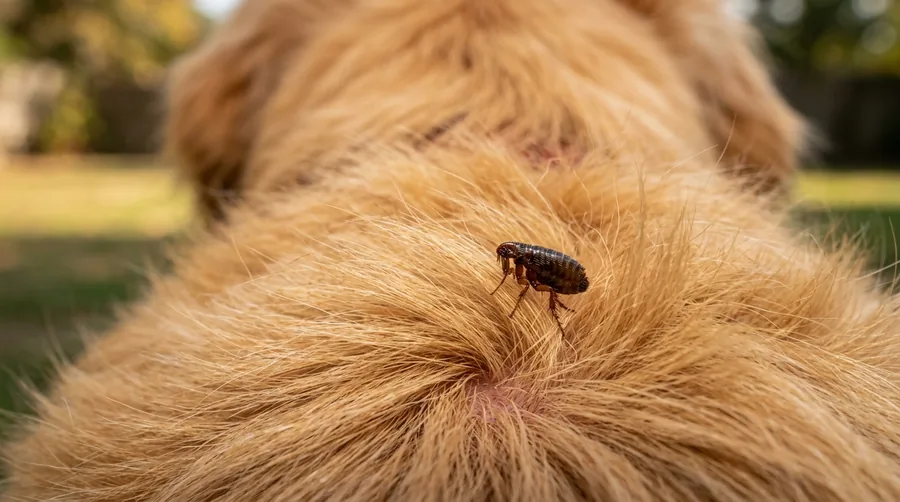
Tiny reddish-brown dog flea with a flattened body in an animal's fur
Recommended Products
See the full ranking →

What it does
Adult dog fleas live on the host, feeding on blood and jumping impressive distances to reach a passing animal. They bite frequently, causing intense itching, and their bites can trigger flea allergy dermatitis in sensitive pets. Most of the population, though, is off the animal, developing as eggs and larvae in carpets, bedding, and yards.
Where it lives
Adults live in the fur of dogs and other mammals; eggs fall off into the environment. Eggs, larvae, and pupae develop in carpets, pet bedding, cracks in flooring, upholstery, and shaded, humid soil in the yard. Dog fleas are found nationwide, and populations surge in warm, humid conditions.
How it breeds
A female lays dozens of eggs a day on the host, which roll off into the surroundings. Larvae hatch and feed on organic debris and adult flea droppings, then spin cocoons and pupate. Pupae can wait weeks for a host before emerging, so the full cycle ranges from a couple of weeks to several months.
What it eats
Adult fleas feed exclusively on the blood of their host animal, mainly dogs but also cats, wildlife, and occasionally people. The larvae do not bite; they feed on organic debris and the dried blood in adult flea feces (flea dirt) in the environment.
Identification
Dog fleas are small, 1-3 mm, wingless, laterally flattened insects, shiny reddish-brown, with strong hind legs for jumping. They are extremely hard to tell from cat fleas without magnification, and in US homes fleas on dogs are usually actually cat fleas. Both look and behave alike to a pet owner.
Signs of an infestation
- A pet scratching, biting, or grooming excessively
- Tiny fast insects seen parting the fur
- Black pepper-like flea dirt on skin or bedding
- Small itchy bites on people, often around the ankles
- Hair loss or scabbing from flea allergy dermatitis
Prevention tips
- Use a veterinarian-recommended flea preventive year-round
- Wash pet bedding in hot water regularly
- Vacuum carpets, floors, and upholstery frequently
- Treat both the pet and the home environment together
- Keep the yard mowed and reduce shaded, humid debris
Professional solutions
Flea infestations are treatable at home by combining a veterinary flea product on all pets with thorough cleaning and, if needed, an EPA-registered home treatment containing an insect growth regulator. Heavy or stubborn infestations that persist despite consistent treatment may warrant a professional to treat the home and yard while the pet stays on a preventive.
Health & safety
Fleas bite people, leaving itchy welts usually around the ankles, and can transmit tapeworm (if ingested) and, less commonly, bacteria such as those causing cat-scratch disease and murine typhus. The bigger burden is often the pet's suffering from flea allergy dermatitis. Consult a veterinarian for pet treatment and a clinician for infected or reactive bites.
Relevant Products


Frequently asked questions
Why do fleas keep coming back after I treat my pet?
Most of a flea population lives in the home as eggs, larvae, and pupae, not on the pet, and pupae can wait weeks before hatching. If you treat only the animal, new adults keep emerging. Treat the pet and the environment together and keep vacuuming and washing bedding for several weeks.
Can dog fleas bite people?
Yes. Fleas will bite people, usually leaving small itchy welts around the ankles and lower legs, though they prefer to live on furry animals. They can also transmit tapeworm if accidentally ingested. Treating pets and the home reduces bites; see a clinician for infected or strongly reactive bites.
Is it a dog flea or a cat flea on my dog?
It is usually a cat flea. In US homes, the cat flea infests both dogs and cats far more often than the true dog flea, and the two look nearly identical without magnification. It does not change treatment: use a veterinary flea product and treat the home environment either way.
Fact-checked by Morgan Vance, Editorial Director (editorial review, not a professional pest-control or medical sign-off). Last reviewed June 17, 2026. We correct anything a reader shows us is wrong — see our corrections policy.