
Brown Dog Tick
Rhipicephalus sanguineus · also called brown dog ticks, kennel tick, pantropical dog tick
Quick answer
The brown dog tick (Rhipicephalus sanguineus) is a reddish-brown tick unique for completing its entire life cycle indoors, infesting homes and kennels. It feeds mainly on dogs but occasionally bites people and can transmit Rocky Mountain spotted fever, especially in the Southwest. Heavy indoor infestations are notoriously hard to clear.
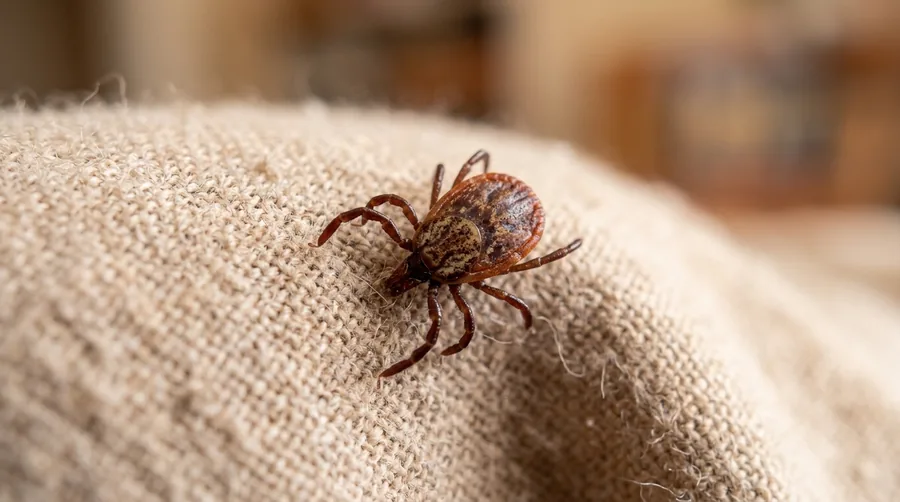
Reddish-brown brown dog tick with an elongated body crawling on a dog's short fur
Recommended Products
See the full ranking →


What it does
The brown dog tick is the only tick that routinely thrives and breeds entirely indoors. It strongly prefers dogs as hosts and hides in cracks, along baseboards, and behind furniture between meals. Engorged ticks famously crawl upward, so homeowners often notice them climbing walls, around window frames, and near the ceiling.
Where it lives
Indoors it clusters in kennels, dog beds, wall cracks, behind baseboards, and under rugs and furniture. Outdoors it survives best in warm climates. Because it lives where dogs rest, infestations build fastest in homes, kennels, and shelters, and it is found nationwide but is a persistent year-round problem in the South and Southwest.
How it breeds
Females engorge, drop off, and lay a mass of a few thousand eggs in a sheltered crack, then die. In warm indoor conditions the full larva-nymph-adult cycle can finish in as little as two to three months, allowing several overlapping generations a year and rapid population growth inside a heated home.
What it eats
This tick feeds only on blood and overwhelmingly favors domestic dogs at every life stage. It will bite other mammals and occasionally people when dog hosts are scarce, but humans are not a preferred host.
Identification
Adults are elongated, flat, and uniform reddish-brown with no pale ornate pattern, distinguishing them from the mottled American dog tick and Gulf Coast tick. Unfed adults are 3-5 mm; engorged females balloon to a bluish-gray, bean-sized 12 mm. The hexagonal mouthpart base is a diagnostic feature under magnification.
Signs of an infestation
- Ticks found on a dog's ears, between the toes, or around the neck
- Ticks crawling up walls, around windows, or near the ceiling
- Small reddish-brown ticks in cracks near pet resting areas
- Repeated tick sightings indoors even in winter
- A dog that is lethargic, off its food, or losing weight
Prevention tips
- Keep dogs on a year-round vet-approved tick preventive
- Check pets for ticks regularly, especially ears and toes
- Wash pet bedding hot and vacuum resting areas often
- Seal cracks along baseboards, walls, and window frames
- Inspect boarding kennels and new dogs before they come inside
Professional solutions
Because brown dog ticks breed inside the structure, DIY treatment often fails to reach every hidden crack. Pest professionals combine treatment of the pet (through a veterinarian), the home interior, and any kennels or yards, repeated to break the fast indoor breeding cycle. Persistent indoor infestations almost always need this coordinated professional approach.
Health & safety
Brown dog ticks can transmit Rocky Mountain spotted fever to people, a risk documented especially in parts of the Southwest, along with several canine diseases like ehrlichiosis and babesiosis. Human bites are uncommon but possible in heavy infestations. Remove attached ticks promptly and see a doctor, or call Poison Control at 1-800-222-1222, if fever or rash develops.
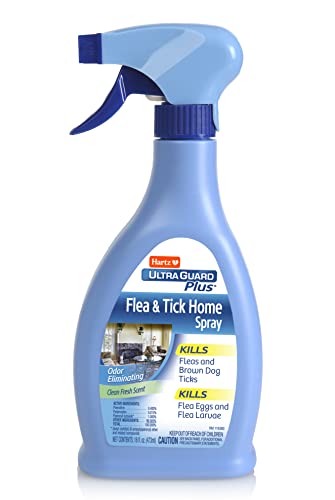
Relevant Products



Frequently asked questions
Why are there ticks crawling on my walls?
Ticks climbing walls and gathering near the ceiling are a classic sign of a brown dog tick infestation. Engorged ticks instinctively crawl upward to find a sheltered crack to molt or lay eggs. Since this species breeds entirely indoors, wall-crawling ticks usually mean an established population tied to a dog in the home.
Can brown dog ticks infest my house without a dog?
They can persist for a while, but brown dog ticks depend heavily on dogs and rarely establish long-term without one. If you have no dog and are finding ticks indoors, they may have arrived on a visiting pet, or you may be dealing with a different tick species, so identification matters.
Do brown dog ticks bite people?
Brown dog ticks strongly prefer dogs and bite people only occasionally, usually in heavy infestations when dog hosts are scarce. Human bites carry a small risk of Rocky Mountain spotted fever in some regions, so remove attached ticks promptly and watch for fever or a rash.
Fact-checked by Morgan Vance, Editorial Director (editorial review, not a professional pest-control or medical sign-off). Last reviewed May 10, 2026. We correct anything a reader shows us is wrong — see our corrections policy.