
Lone Star Tick
Amblyomma americanum · also called lone star ticks, turkey tick, northeastern water tick
Quick answer
The lone star tick (Amblyomma americanum) is an aggressive, fast-biting tick named for the single white dot on the female's back. Common across the Southeast and eastern US, it transmits ehrlichiosis, tularemia, and STARI, and its bite can trigger the alpha-gal red-meat allergy. It does not spread Lyme disease.
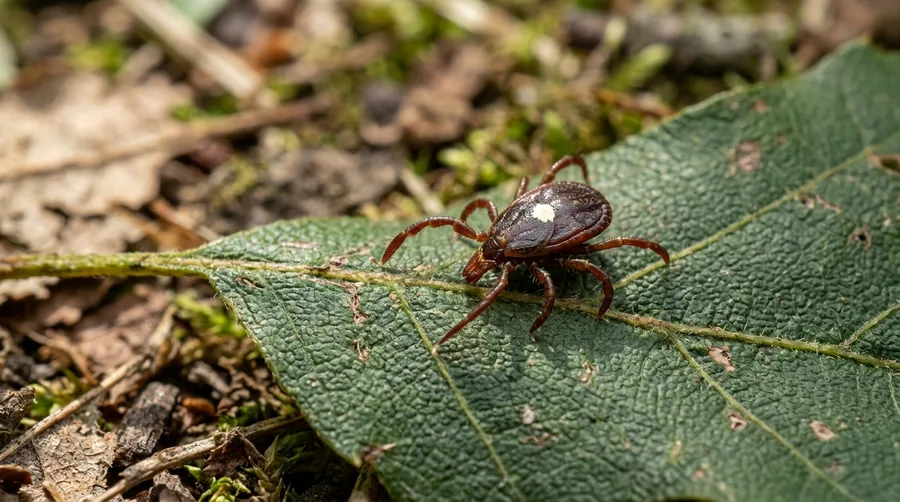
Reddish-brown female lone star tick with a single white dot on its back on a green leaf
Recommended Products
See the full ranking →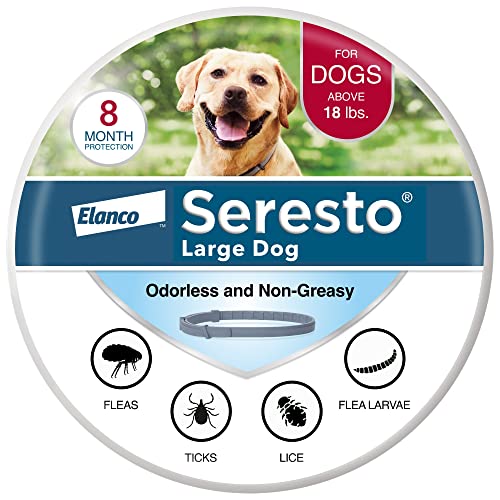


What it does
Lone star ticks are unusually aggressive human-biters that actively crawl toward hosts rather than waiting passively. All three life stages (larva, nymph, adult) bite people. They quest by climbing vegetation and grabbing on as a host brushes past, then feed for several days before dropping off to molt or lay eggs.
Where it lives
They live in wooded and brushy areas, forest edges, tall grass, and overgrown yards, especially where deer are common. Larvae often cluster, so a single misstep into a nest can leave dozens of tiny 'seed ticks' on the skin. They range across the Southeast and much of the eastern and south-central US and are expanding northward.
How it breeds
Females drop off after feeding and lay a single mass of several thousand eggs, then die. Larvae hatch, feed, and molt to nymphs, which feed and molt to adults, with one generation typically taking a year or more. Each stage needs one blood meal, and unfed ticks can survive months while waiting for a host.
What it eats
Ticks feed only on the blood of animals and people. Lone star ticks feed on deer, livestock, dogs, birds, small mammals, and humans across their life stages, using cutting mouthparts to anchor and draw blood.
Identification
Adults are round and reddish-brown; the female has a distinctive single silvery-white spot in the center of her back, while males have scattered pale streaks along the rear edge. Unfed adults are 3-4 mm and swell much larger after feeding. Tiny larvae ('seed ticks') have six legs; nymphs and adults have eight.
Signs of an infestation
- A tick attached to skin, often in warm folds or the hairline
- Several tiny 'seed ticks' clustered on the legs or ankles
- A round, itchy red bite site after time outdoors
- An expanding rash days after a bite (possible STARI)
- New itching or hives after eating red meat (possible alpha-gal)
Prevention tips
- Wear long pants tucked into socks and use EPA-registered repellent outdoors
- Treat clothing and gear with permethrin before hikes
- Do a full-body tick check within two hours of coming indoors
- Keep grass short and clear leaf litter and brush at the yard edge
- Use vet-approved tick preventives on dogs and cats
Professional solutions
Yard tick pressure can be reduced with perimeter and vegetation treatments; pest professionals target the shaded, brushy 'tick zones' at lawn edges. For heavy or recurring yard problems near wooded property, a professional acaricide program plus habitat modification is more effective than spot spraying. Attached ticks should be removed promptly with fine tweezers.
Health & safety
The lone star tick can transmit ehrlichiosis, tularemia, Heartland and Bourbon viruses, and Southern tick-associated rash illness (STARI), and its bite is strongly linked to alpha-gal syndrome, a red-meat allergy. It is not a known Lyme disease vector. Remove attached ticks quickly, watch for fever or rash, and call a doctor if symptoms appear.
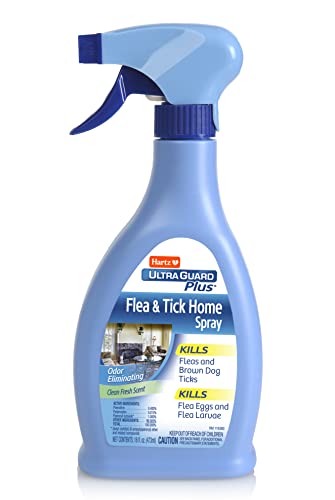
Relevant Products



Frequently asked questions
Does the lone star tick cause Lyme disease?
No. The lone star tick is not a known carrier of Lyme disease, which is spread mainly by the blacklegged (deer) tick. However, lone star ticks can transmit ehrlichiosis, tularemia, and STARI, and their bite is linked to the alpha-gal red-meat allergy, so a bite still warrants watching for symptoms.
What is the white dot on a lone star tick?
The single silvery-white spot on the back identifies an adult female lone star tick. Males lack the central dot and instead have faint pale markings along the rear edge. The spot is the easiest way to tell this species apart from other common US ticks.
How do I safely remove a lone star tick?
Use fine-tipped tweezers to grasp the tick as close to the skin as possible and pull straight up with steady pressure, without twisting. Clean the bite and your hands afterward. Save the tick if you can, and contact a doctor or Poison Control at 1-800-222-1222 if you develop fever, a rash, or unusual symptoms.
Fact-checked by Morgan Vance, Editorial Director (editorial review, not a professional pest-control or medical sign-off). Last reviewed June 27, 2026. We correct anything a reader shows us is wrong — see our corrections policy.