
Rocky Mountain Wood Tick
Dermacentor andersoni · also called wood tick, Rocky Mountain wood ticks, mountain wood tick
Quick answer
The Rocky Mountain wood tick (Dermacentor andersoni) is a brown, ornately marked tick of the Mountain West and higher elevations. Active in spring and early summer, it can transmit Rocky Mountain spotted fever, Colorado tick fever, and tularemia, and its bite occasionally causes a reversible tick paralysis that eases once the tick is removed.
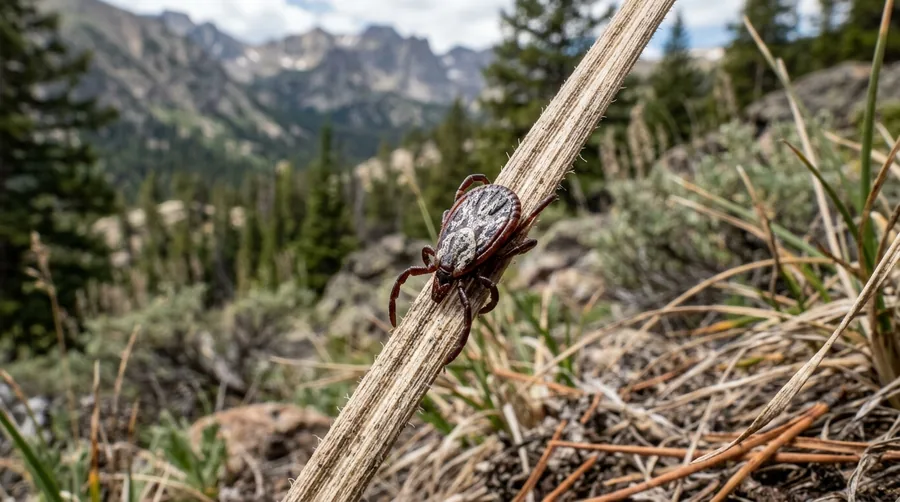
Brown Rocky Mountain wood tick with a pale gray ornate shield on a person's fingertip
Recommended Products
See the full ranking →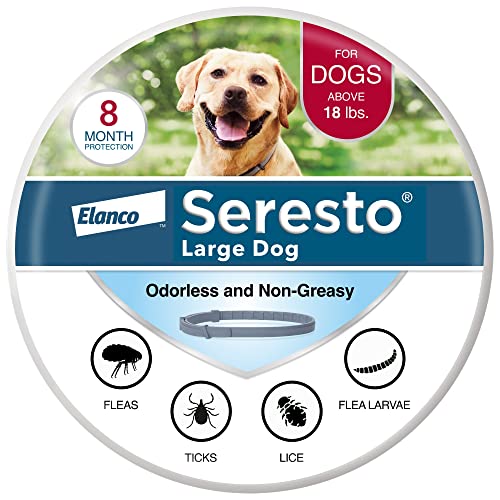


What it does
Rocky Mountain wood ticks quest on shrubs and grasses along trails and rangeland, latching onto hosts that pass by. Adults are most active in spring and early summer at mid to higher elevations. A feeding female's saliva can, in rare cases, cause an ascending paralysis in people and animals that reverses within hours once the tick is detached.
Where it lives
They live in shrublands, foothills, open woodland, and rangeland of the Rocky Mountain region, typically between about 4,000 and 10,000 feet. Immature stages feed on small rodents in burrows and brush, while adults seek larger mammals like deer, livestock, dogs, and hikers along trails and grassy slopes.
How it breeds
The three-host life cycle can stretch across one to three years, longer than many ticks, because activity is limited to a short seasonal window at elevation. A fed female drops off and lays several thousand eggs in leaf litter or soil, then dies. Unfed adults can survive over a year waiting for a host.
What it eats
This tick feeds solely on blood. Larvae and nymphs feed on small mammals such as ground squirrels, chipmunks, and voles; adults feed on deer, elk, cattle, horses, dogs, and people during the spring and early-summer season.
Identification
Adults are brown with a pale, silvery-gray ornate shield; males show a mottled gray pattern over most of the back, while females have the pattern mainly on the front shield. Unfed adults are 3-5 mm and engorged females swell to a gray, bean-like 15 mm. They closely resemble the American dog tick but occupy the mountain West.
Signs of an infestation
- A tick attached to the scalp, neck, or skin after hiking or camping
- Ticks found on dogs after trips into foothills or mountains
- Fever, headache, or a spotted rash days after a bite
- Unusual muscle weakness that could signal tick paralysis
- Ticks questing on brush and grass along mountain trails
Prevention tips
- Wear long pants tucked into socks and use EPA-registered repellent on trails
- Treat hiking clothing and gear with permethrin
- Check your whole body, including the scalp, after time in tick habitat
- Check and treat dogs with vet-approved tick preventives after outings
- Stay on cleared trails and avoid brushing through tall grass and shrubs
Professional solutions
Tick exposure here is mostly recreational and rangeland-based, so prevention centers on repellents, permethrin-treated clothing, and prompt tick checks rather than home spraying. On rural properties bordering shrubland, professionals can treat transitional zones and advise on rodent and vegetation management. Remove any attached tick immediately with fine tweezers.
Health & safety
The Rocky Mountain wood tick can transmit Rocky Mountain spotted fever, Colorado tick fever, and tularemia, and its bite can rarely cause tick paralysis, a progressive weakness that reverses once the tick is removed. Detach attached ticks promptly, watch for fever, rash, or weakness, and contact a doctor or Poison Control at 1-800-222-1222 if symptoms appear.
Relevant Products




Frequently asked questions
What is tick paralysis from a Rocky Mountain wood tick?
Tick paralysis is a rare, progressive muscle weakness caused by a toxin in the saliva of a feeding female tick. It can affect people and pets, but it typically reverses within hours after the tick is fully removed. Any unexplained weakness or difficulty walking after a tick bite is a reason to seek medical care and check carefully for an attached tick.
When are Rocky Mountain wood ticks most active?
Adults are most active from spring into early summer, roughly March through July, at mid to higher elevations in the Rocky Mountain region. Activity drops off in the hot, dry late summer, so tick checks matter most during spring hikes and camping trips.
What diseases does this tick carry?
The Rocky Mountain wood tick can transmit Rocky Mountain spotted fever, Colorado tick fever, and tularemia, and can cause tick paralysis. Most bites cause no illness, but remove attached ticks promptly and see a doctor if you develop fever, rash, or weakness afterward.
Fact-checked by Morgan Vance, Editorial Director (editorial review, not a professional pest-control or medical sign-off). Last reviewed July 16, 2026. We correct anything a reader shows us is wrong — see our corrections policy.