
Ground Squirrel
Otospermophilus spp. · also called ground squirrels, California ground squirrel, thirteen-lined ground squirrel
Quick answer
Ground squirrels (Otospermophilus and related genera) are burrowing rodents of the western and central US, mottled gray-brown with a bushy tail. They dig extensive burrow systems that damage lawns, foundations, and levees, eat crops, and in parts of the West can host fleas carrying plague.
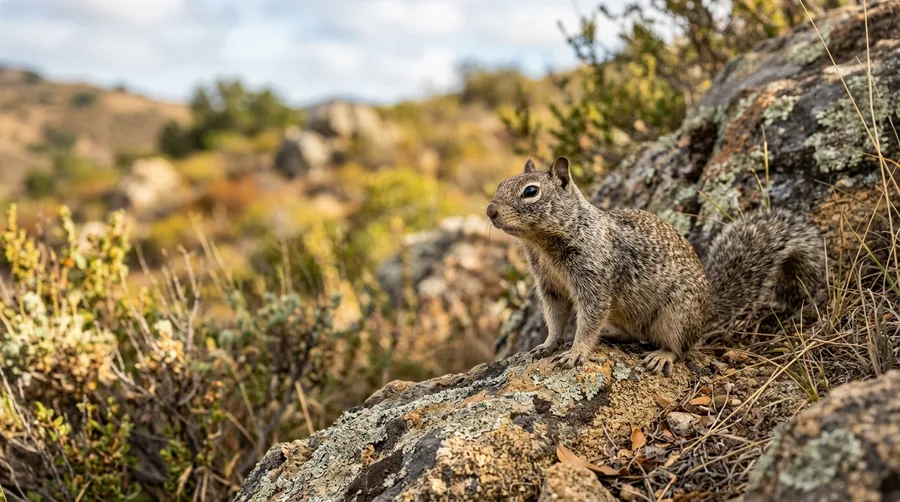
Mottled brown ground squirrel standing upright beside a burrow opening in a field
Recommended Products
See the full ranking →


What it does
Ground squirrels are day-active burrowers that live in colonies, digging extensive tunnel systems in open ground. They forage above ground for seeds and plants, sit upright to watch for danger, and retreat underground when alarmed. Their burrows damage lawns, foundations, levees, and irrigation, and they can eat crops and gnaw on structures.
Where it lives
They inhabit open country, fields, pastures, rangeland, parks, golf courses, road embankments, and yards across the western and central US, favoring well-drained soils for burrowing. Colonies riddle the ground with burrow openings, and they readily move into landscaped areas, croplands, and the edges of buildings.
How it breeds
Most ground squirrels breed once a year in spring, with litters of about five to eight young raised in the burrow. Young emerge after several weeks and disperse to dig new burrows. Many species hibernate in winter and some estivate in the hottest part of summer, so activity concentrates in spring and early summer.
What it eats
Ground squirrels are omnivores that eat seeds, grains, nuts, fruit, green vegetation, and roots, plus insects and occasionally eggs or carrion. They can cause significant losses in grain, nut, and vegetable crops and readily raid gardens, and they gnaw to keep their teeth worn.
Identification
Ground squirrels vary by species but are generally 9-11 inches in the body with a moderately bushy tail, brownish or mottled and sometimes spotted or striped fur, and small ears. Unlike tree squirrels, they dig burrows and dive into holes rather than climbing, and they lack the bold single back stripes of a chipmunk.
Signs of an infestation
- Numerous burrow openings 3-5 inches wide in open ground
- Soil mounds and undermined foundations, walls, or levees
- Cropped vegetation and damaged crops or garden plants
- Ground squirrels standing upright near burrow entrances
- Gnaw damage and disturbed irrigation lines
Prevention tips
- Remove brush piles, debris, and dense cover that shelter colonies
- Protect gardens and young trees with buried wire-mesh barriers
- Control weeds and keep vegetation short near structures
- Monitor burrows to detect active use early
- Store grain, seed, and feed in sealed rodent-proof containers
Professional solutions
Ground squirrel colonies are hard to clear once established. Trapping and, where legal, EPA-registered baits or burrow treatments applied per label are used, but methods and protected species vary by state, so professional guidance is valuable. In parts of the West, disease risk adds another reason to involve a pest or wildlife professional for large infestations.
Health & safety
In parts of the western US, ground squirrels can host fleas that carry plague and can also be involved in tularemia, so avoid handling them or their fleas and keep pets protected; report large die-offs to local health authorities. They can bite if cornered. Their burrowing also damages property, foundations, and levees. Use any bait strictly per its EPA label, keep it from children and pets, and call Poison Control at 1-800-222-1222 for exposures.
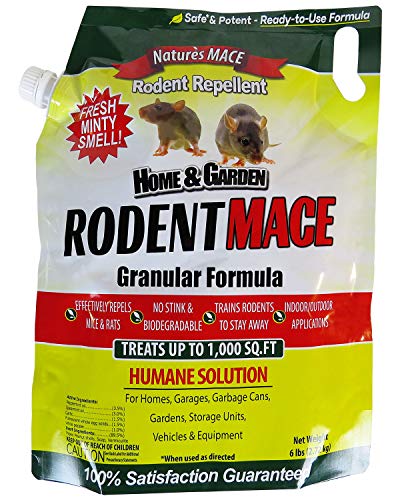
Relevant Products




Frequently asked questions
What is the difference between a ground squirrel and a chipmunk?
Chipmunks are smaller with bold dark-and-light stripes running down the back and through the face. Ground squirrels are larger, often mottled or spotted rather than boldly striped, and live in colonies with many burrow openings. Both dig, but ground squirrels are chunkier and less vividly marked.
Are ground squirrels dangerous?
Mostly they are a property pest, damaging lawns, foundations, levees, and crops by burrowing and feeding. In parts of the West, however, they can host fleas that carry plague, so avoid handling them, keep pets protected, and report unusual die-offs to local health officials.
How do I get rid of ground squirrels?
Combine habitat cleanup, exclusion with buried wire mesh, and trapping. Where legal, EPA-registered baits or burrow treatments are used strictly per label. Because methods, protected species, and disease risk vary by state, a professional is often the most reliable and lawful option.
Fact-checked by Morgan Vance, Editorial Director (editorial review, not a professional pest-control or medical sign-off). Last reviewed July 13, 2026. We correct anything a reader shows us is wrong — see our corrections policy.