Eastern Chipmunk
Tamias striatus · also called chipmunk, chipmunks, striped ground squirrel
Quick answer
The eastern chipmunk (Tamias striatus) is a small, striped ground squirrel with reddish-brown fur, dark and light back stripes, and cheek pouches. It burrows in yards, gardens, and near foundations, storing seeds and nuts. Mostly harmless, its burrows can occasionally undermine patios, walls, and walkways.
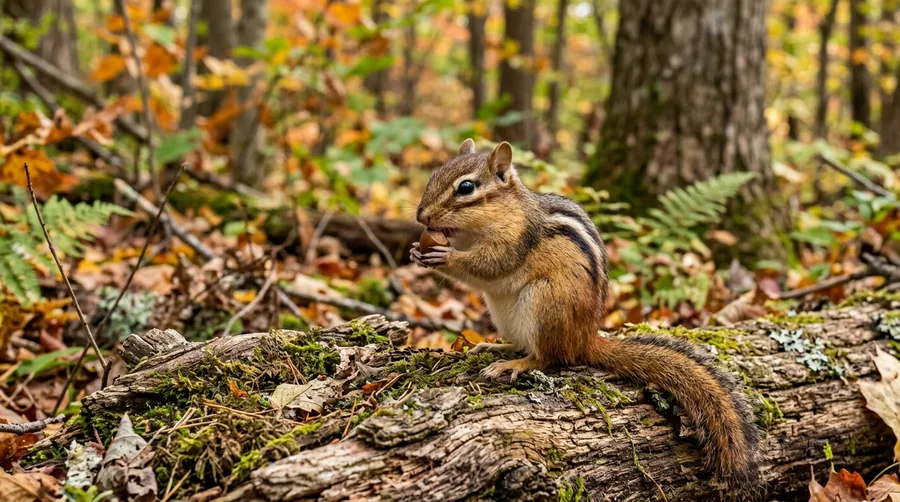
Reddish-brown eastern chipmunk with dark back stripes and full cheek pouches on a rock
Recommended Products
See the full ranking →


What it does
Eastern chipmunks are lively, day-active ground squirrels that scurry along walls, logs, and gardens, cheeks stuffed with seeds to store in burrows. They are mostly solitary and harmless, but their extensive burrows can occasionally undermine patios, retaining walls, and foundations, and they raid gardens, bird feeders, and flower bulbs.
Where it lives
They live in wooded areas, suburban yards, gardens, and the edges of buildings across the eastern and central US, digging burrow systems under stumps, rock walls, wood piles, porches, decks, and foundations. Landscaped yards with abundant cover, seeds, and bird feeders are ideal chipmunk habitat.
How it breeds
Eastern chipmunks usually breed twice a year, in spring and again in summer, with litters of about three to five young raised in an underground burrow. Young emerge after several weeks and disperse to dig their own burrows. Chipmunks do not truly hibernate but spend cold weather in the burrow, waking to eat stored food.
What it eats
Chipmunks eat seeds, nuts, berries, fruit, fungi, and flower bulbs, and also insects, worms, and occasionally bird eggs. They famously carry food in their cheek pouches to cache underground for winter, which draws them to bird feeders, gardens, and freshly planted bulbs.
Identification
A chipmunk is a small striped ground squirrel about 5-6 inches in the body plus a 3-4 inch tail, reddish-brown with several dark and light stripes running down the back and a stripe through the eye. The bold back stripes and small size distinguish it from larger, unstriped tree and ground squirrels.
Signs of an infestation
- Small striped squirrels darting along walls, decks, or gardens
- Burrow openings about 2 inches wide with no soil mound
- Dug-up flower bulbs and raided garden beds or feeders
- Chirping calls repeated from a perch
- Occasional sinking or undermining near patios and walls
Prevention tips
- Move bird feeders away from the house and clean up spilled seed
- Seal gaps and burrow entries around foundations, decks, and porches
- Protect bulbs and seedlings with buried hardware-cloth or wire mesh
- Remove rock piles, wood piles, and dense ground cover near buildings
- Keep a clear, plant-free strip along the foundation
Professional solutions
Individual chipmunks are often tolerated, but when burrowing threatens structures or numbers climb, control combines exclusion, habitat cleanup, and trapping. Relocating chipmunks is illegal or restricted in many states, so a wildlife professional can trap and remove them lawfully and seal entry points. Structural undermining is the usual reason to call a pro.
Health & safety
Eastern chipmunks are generally harmless to people and rarely bite unless handled. They can host fleas and ticks and, uncommonly, be involved in tick-borne illnesses, so avoid handling them and keep pets treated for fleas and ticks. The more common concern is property damage from burrowing near foundations, walls, and walkways.
Relevant Products




Frequently asked questions
Are chipmunks harmful to my house?
Usually they are just a nuisance, but their burrow systems can occasionally undermine patios, walkways, retaining walls, and foundations if extensive. They also dig up bulbs and raid gardens and feeders. Sealing entry points and protecting plantings limits the damage.
Can I trap and relocate a chipmunk?
Often not legally. Many states restrict or prohibit relocating wildlife, including chipmunks, because of disease and ecological concerns. Check local regulations, or hire a licensed wildlife professional who can trap and handle them lawfully and seal the areas they are using.
How do I keep chipmunks out of my garden?
Move and clean up bird feeders, protect bulbs and seedlings with buried wire mesh, and remove rock piles, wood piles, and dense cover near beds and foundations. A clear strip along the foundation and sealed gaps discourage them from burrowing close to the house.
Fact-checked by Morgan Vance, Editorial Director (editorial review, not a professional pest-control or medical sign-off). Last reviewed June 6, 2026. We correct anything a reader shows us is wrong — see our corrections policy.