
Eastern Gray Squirrel
Sciurus carolinensis · also called gray squirrel, grey squirrel, tree squirrel
Quick answer
The eastern gray squirrel (Sciurus carolinensis) is a familiar tree squirrel with gray fur, a white belly, and a large bushy tail. Agile and bold, it nests in attics and chews wiring, siding, and vents. While charming outdoors, indoor squirrels pose fire and property risks and often need professional removal.
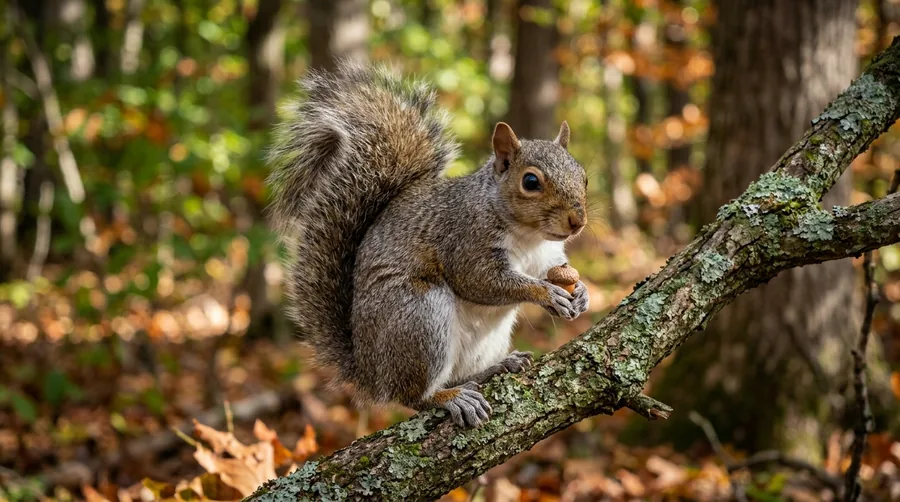
Gray tree squirrel with a large bushy tail perched at the edge of a roof
Recommended Products
See the full ranking →


What it does
Eastern gray squirrels are bold, agile, day-active climbers that travel along wires, fences, and branches to reach rooflines. They gnaw constantly and readily enter attics, soffits, and chimneys to nest, chewing wood, wiring, and vents. Outdoors they raid bird feeders and gardens; indoors, their gnawing on wiring poses a real fire risk.
Where it lives
They live in wooded areas, parks, and tree-filled suburbs across the eastern and central US, with introduced populations in the West. They nest in tree cavities and leafy dreys, but readily move into attics, chimneys, soffits, and wall voids of homes, especially to raise young in late winter and late summer.
How it breeds
Gray squirrels typically breed twice a year, in late winter and midsummer, with litters of about two to four young raised in a tree cavity, drey, or an attic. Young are weaned after roughly two to three months and disperse. This twice-yearly nesting is why squirrels often move into attics in winter and summer.
What it eats
Gray squirrels eat nuts, acorns, seeds, buds, fruit, and fungi, and they bury caches of nuts for winter. They readily exploit bird feeders and gardens and will take some insects and, rarely, eggs. Their search for food and nut caches often brings them close to and onto houses.
Identification
The eastern gray squirrel is a tree squirrel about 9-12 inches in the body with a large, bushy tail nearly as long, gray fur often washed with brown, and a white to pale belly. Its size, bushy tail, and tree-climbing habits separate it from ground squirrels and the much smaller, striped chipmunk.
Signs of an infestation
- Scratching, scampering, or rolling sounds in the attic by day
- Gnawed holes at the roofline, soffits, vents, or fascia
- Nests of leaves and shredded material in attics or chimneys
- Chewed wiring, wood, and insulation in the attic
- Squirrels seen entering the roof or traveling along wires
Prevention tips
- Trim tree limbs back 6-8 feet from the roof
- Seal roofline gaps, and cap chimneys and cover vents with metal screening
- Repair chewed soffits and fascia with durable materials
- Move bird feeders away from the house and reduce spilled seed
- Inspect the attic and eaves each fall and spring for entry points
Professional solutions
Squirrels in an attic are best handled by a wildlife professional, especially during nesting season when young may be present. Pros use one-way exclusion doors, humane trapping where allowed, and sealing of entry points, and they can safely remove young. Because gray squirrels are game animals or protected in many states, DIY relocation is often restricted, so professional, lawful removal is recommended.
Health & safety
Gray squirrels rarely bite unless cornered or handled and are not major disease carriers to people, though they can host fleas, ticks, and mites. The main risks are property-related: gnawing on wiring is a genuine fire hazard, and nesting causes damage and contamination in attics. Do not corner a trapped squirrel, which may bite in defense.
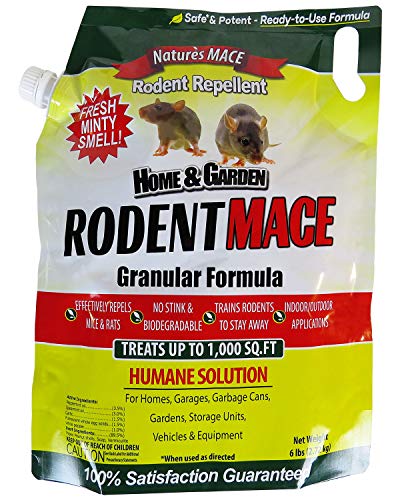
Relevant Products




Frequently asked questions
How do I get a squirrel out of my attic?
The safe method is one-way exclusion: a professional installs a door that lets squirrels leave but not return, then seals entry points, ideally checking first for young during nesting season. Because gray squirrels are protected or regulated as game in many states, DIY relocation is often not legal.
Are squirrels in the attic dangerous?
The biggest risk is fire. Squirrels gnaw constantly and can chew through electrical wiring, and their nesting damages insulation and contaminates the attic. They rarely bite unless cornered and are not major disease carriers, but the wiring hazard makes prompt, proper removal important.
How do I stop squirrels from getting on my roof?
Trim tree branches back several feet from the roof, since squirrels leap from limbs and travel along wires. Seal roofline gaps, cap chimneys, and cover vents with sturdy metal screening, and move bird feeders away from the house to reduce what draws them close.
Fact-checked by Morgan Vance, Editorial Director (editorial review, not a professional pest-control or medical sign-off). Last reviewed July 5, 2026. We correct anything a reader shows us is wrong — see our corrections policy.