
American Dog Tick
Dermacentor variabilis · also called American dog tick, wood tick
Quick answer
The American dog tick (Dermacentor variabilis) is a brown tick with off-white mottled markings, common east of the Rockies. Adults readily bite dogs and people in grassy and brushy areas. It is a primary carrier of Rocky Mountain spotted fever and can transmit tularemia, so prompt removal and watching for illness are important.
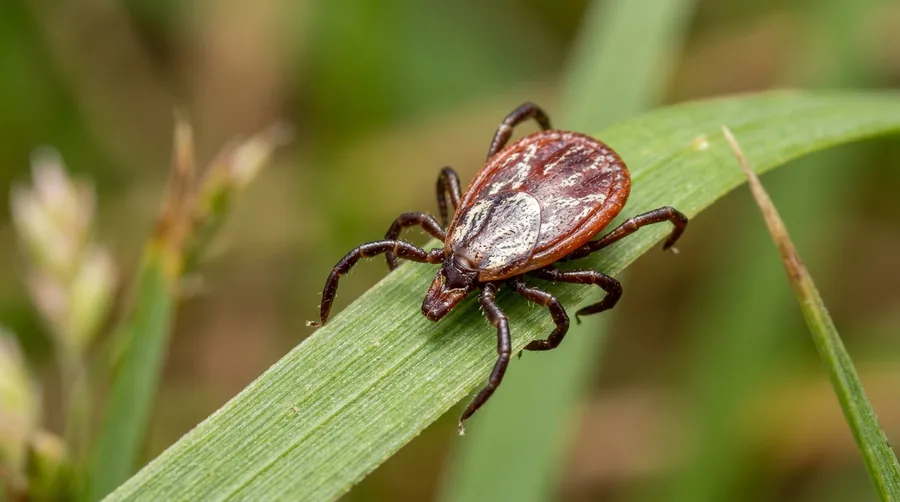
Brown American dog tick with off-white mottled markings on its back on a person's fingertip
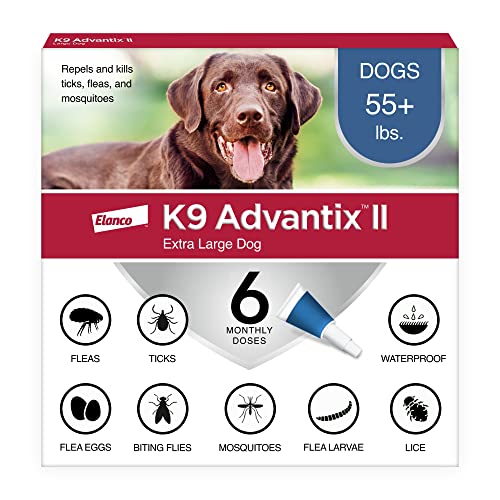
Recommended Products
See the full ranking →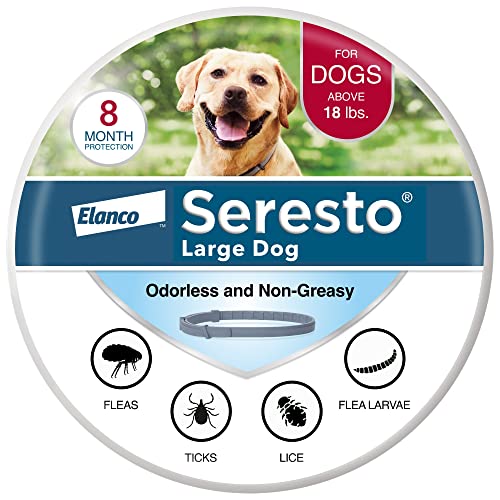

What it does
American dog ticks quest on the tips of grass and low vegetation, front legs outstretched, latching onto a host that brushes by; they cannot jump or fly. Adults are the stage most likely to bite people and dogs. They feed slowly over days, and longer attachment raises the chance of disease transmission.
Where it lives
They favor grassy fields, trail and roadside edges, meadows, and brushy areas with few trees, often where animals travel. Common east of the Rocky Mountains, with populations along the Pacific coast, they are frequent in yards bordering fields and where dogs roam. Larvae and nymphs feed mainly on small rodents.
How it breeds
The cycle spans about one to two years across egg, larva, nymph, and adult stages, with a blood meal at each active stage. After a final feeding, the female drops off and lays thousands of eggs. Ticks acquire pathogens by feeding on infected hosts and can pass them along at subsequent bites, including to people.
What it eats
Every active stage feeds on blood. Larvae and nymphs feed largely on small mammals such as mice and voles, while adults prefer medium to large hosts, especially dogs, and will bite humans. Ticks take no food between meals, remaining dormant until a suitable host passes.
Identification
Adults are flattened and teardrop-shaped, brown with off-white or gray mottled markings on the shield behind the head; females show a large pale shield, males a mottled pattern over the back. Engorged females swell gray and rounded. The ornate mottling distinguishes it from the plainer blacklegged tick.
Signs of an infestation
- A brown, white-mottled tick attached to a dog or person
- Ticks picked up along grassy field and trail edges
- An engorged, gray, swollen tick after days of attachment
- Fever, headache, and rash days after a bite
- Ticks appearing in late spring and summer
Prevention tips
- Use an EPA-registered repellent with DEET or picaridin on skin
- Treat clothing and gear with permethrin per label directions
- Keep dogs on veterinarian-recommended tick preventives
- Check people and pets for ticks after time outdoors
- Mow grass and clear brush along yard and field edges
Professional solutions
For yards with heavy tick pressure, a pest professional can apply EPA-labeled acaricide treatments to lawn and field borders and advise on habitat reduction. Veterinarians supply approved tick control for dogs. For a bite, remove the tick promptly with fine-tipped tweezers and consult a doctor if illness develops.
Health & safety
The American dog tick is a primary carrier of Rocky Mountain spotted fever and can transmit tularemia, so it poses a real health risk. Remove attached ticks promptly by pulling straight out with fine-tipped tweezers, then clean the area. Watch for fever, headache, or rash and see a doctor; call Poison Control at 1-800-222-1222 for guidance.
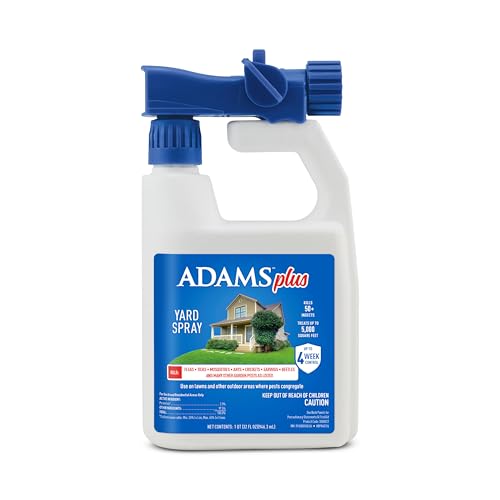
Relevant Products


Frequently asked questions
What diseases does the American dog tick carry?
It is a primary carrier of Rocky Mountain spotted fever and can also transmit tularemia. Not every tick is infected, but because these illnesses can be serious, prompt tick removal and watching for fever, headache, or rash in the days after a bite are important.
How is an American dog tick different from a deer tick?
American dog ticks are larger and brown with off-white or gray mottled markings, while blacklegged (deer) ticks are smaller, reddish-brown with dark legs and no ornate pattern. They also carry different diseases, so identifying which tick bit you can help guide medical follow-up.
How do I protect my dog from ticks?
Keep your dog on a veterinarian-recommended tick preventive, check its coat after walks in grassy or brushy areas, and promptly remove any attached ticks with fine-tipped tweezers. Keeping grass mowed and clearing brush along yard edges reduces where ticks wait for a host.
Fact-checked by Morgan Vance, Editorial Director (editorial review, not a professional pest-control or medical sign-off). Last reviewed June 15, 2026. We correct anything a reader shows us is wrong — see our corrections policy.