


Do mosquitoes serve a purpose?
It is natural to wonder why mosquitoes exist, especially in the middle of being bitten. From an ecological standpoint, though, mosquitoes are not purposeless. They are an established part of many ecosystems and interact with other species in several meaningful ways.
Their main ecological roles include:
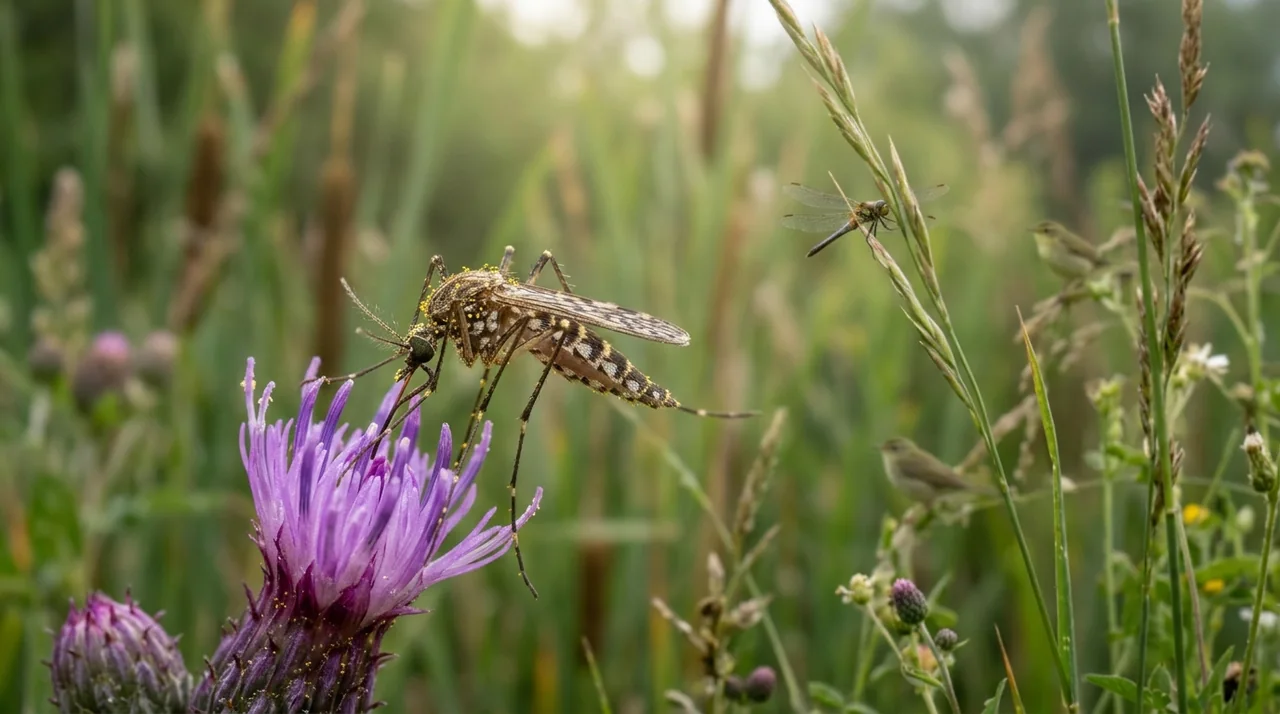
- Food for wildlife: mosquito larvae are eaten by fish, dragonfly larvae, and aquatic insects, while adults feed birds, bats, frogs, and dragonflies.
- Pollination: both male and female mosquitoes drink flower nectar for energy, and while doing so they can transfer pollen and help pollinate certain plants.
- Nutrient cycling: larvae feed on organic matter and microorganisms in water and are themselves eaten, moving energy and nutrients through aquatic food webs.
Are mosquitoes important pollinators?
They are minor but real pollinators. Adults visit flowers for nectar, so they pick up and move pollen, and a few plants are known to rely partly on mosquitoes for pollination. Mosquitoes are not major crop pollinators the way bees are, so their loss would not threaten food crops. They do, however, contribute to some wild plant communities.
What would happen if mosquitoes disappeared?
Scientists genuinely debate this. There are thousands of mosquito species, and only a fraction bite humans or spread disease. If those few disappeared, some researchers argue other insects would fill similar niches, so ecosystems might adjust with limited long-term disruption. Others point to specific food webs where the effect could be larger, such as Arctic environments where swarms feed migratory birds. The honest answer is that it is uncertain and would likely vary from place to place. What is clear is that mosquitoes as a group are currently woven into nature.
If they have a purpose, why control them?
Ecological value and public-health risk are separate questions. Mosquitoes are a serious nuisance, and certain genera can transmit disease to people and animals. For example, Anopheles mosquitoes, such as the malaria mosquito, are associated with malaria. Aedes species like the yellow fever mosquito can carry viruses such as dengue and Zika. Reducing biting mosquitoes around homes lowers that risk. Doing so in your yard has little effect on the vast, mostly non-biting mosquito populations that matter ecologically.
How does understanding mosquitoes help control them?
Knowing their biology points straight to the most effective control. Every mosquito must breed in standing water, so removing that water is the single most effective step:
- Empty and scrub gutters, buckets, saucers, birdbaths, tarps, and toys at least weekly, which denies breeding sites to species like the northern house mosquito.
- Change pet and bird water regularly, and cover rain barrels.
- Fix drainage that leaves standing puddles.