


What is a rat's diet like?
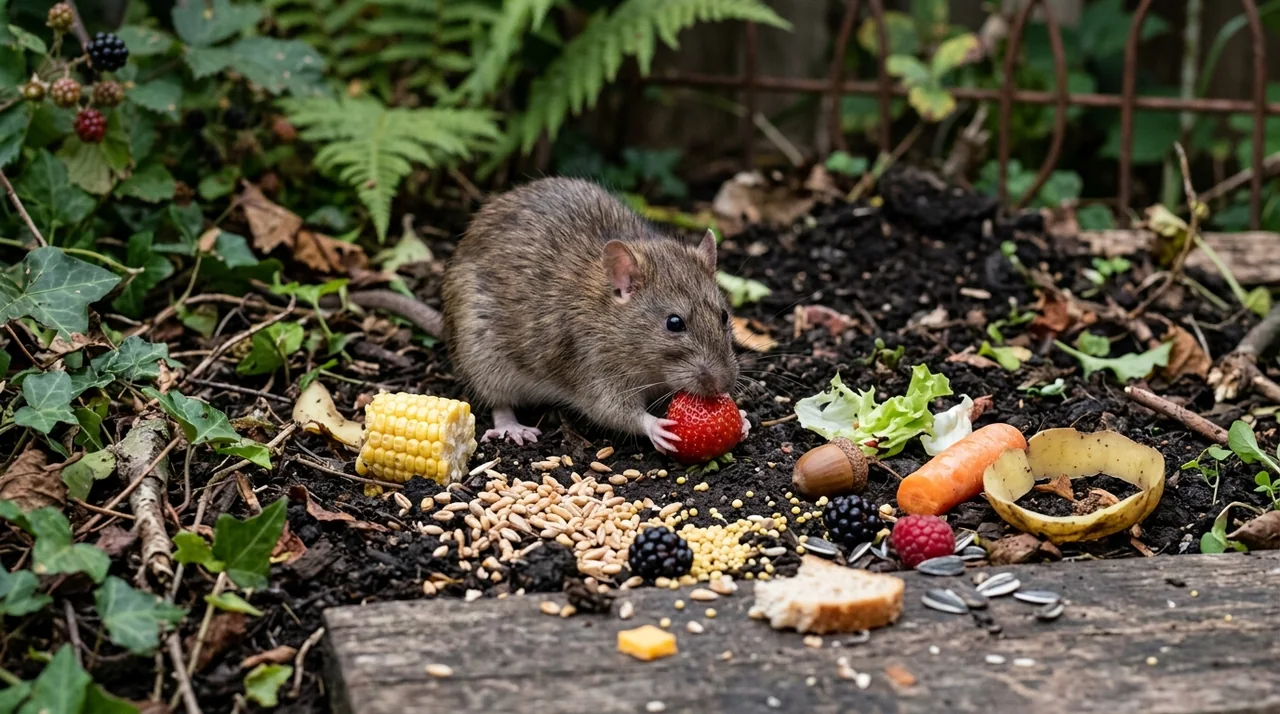
Rats thrive around people because they eat such a wide range of foods. The Norway rat (Rattus norvegicus) and roof rat (Rattus rattus) are omnivores. They happily eat grains and cereals, fruits and vegetables, nuts and seeds, meat and eggs, and processed human food. This adaptability is why they do so well in cities, farms, and suburbs alike. You can compare the two species on our Norway rat and roof rat library pages.
Do Norway rats and roof rats eat different things?
Both are opportunists, but their habits differ. Norway rats tend to burrow at ground level. They lean toward meats, grains, and whatever they can scavenge from garbage and the ground. Roof rats prefer to nest up high in attics and trees. They favor fruits, nuts, seeds, and vegetation, and are famous for raiding fruit trees. Knowing which rat you have helps you find the food source it is targeting.
What do rats eat around homes?
Around homes, rats are scavengers, and the "menu" is usually of our own making:
- Trash and compost that is not sealed
- Pet food and water bowls left out overnight
- Birdseed, fallen fruit, and garden vegetables
- Crumbs, grease, and spills in kitchens, pantries, and around grills
Do rats really love cheese?
Not especially. The cartoon image of a rat and a wedge of cheese is mostly a myth. Given a choice, rats are usually drawn more to sweet, fatty, or grain-based foods. Pet food is a reliable favorite around homes. Cheese can work as bait, but it is far from the most tempting option, and its smell can also attract other pests. Grain- or nut-based baits often draw rats more consistently.
Do rats need water too?
Yes. Rats need to take in water regularly. Norway rats in particular drink most days. Roof rats can get a good share of their moisture from juicy fruits and vegetation. Leaky pipes, pet bowls, condensation, gutters, and puddles all supply what they need. So cutting off water is as important as cutting off food.
How much and how often do rats feed?
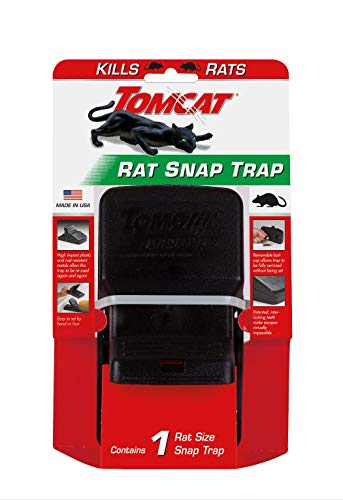
Rats feed at several points across the night rather than in one big meal. They are also cautious about new foods, sampling a little before returning. This "new-object shyness," called neophobia, is why a fresh bait or trap may be ignored for a few days. First place traps unset and baited. Then set them once rats feed confidently. This often improves results.
How do I remove the buffet?
Because rats follow food and water, cutting off those resources is the foundation of control:
- Store food and pet food in sealed, rigid containers.
- Use rodent-resistant trash and compost bins with tight lids.
- Clean up fallen fruit, spilled birdseed, and outdoor eating areas.
- Fix leaks and remove standing water where you can.