

Yes, wasps are pollinators
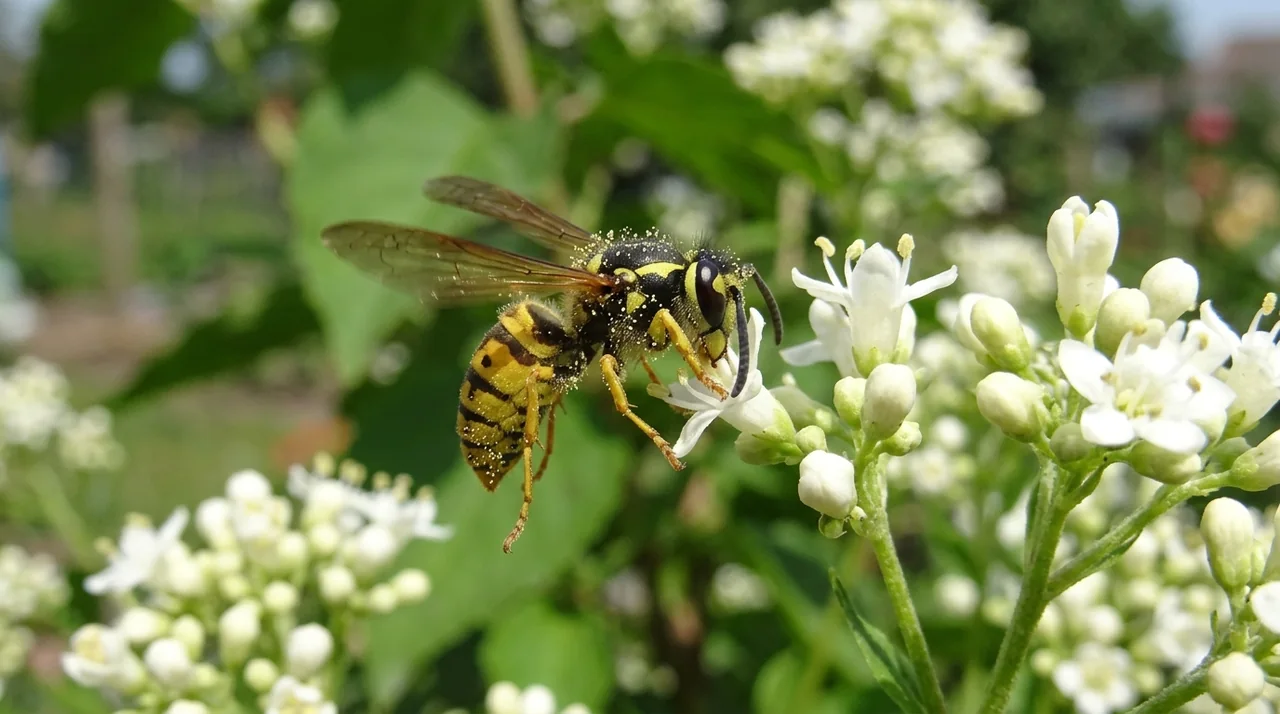
Bees get most of the credit for pollination, but wasps do it too. Adult wasps visit flowers to drink nectar for energy. As they crawl over and fly between blooms, pollen grains stick to their bodies. That pollen then rubs off on the next flower they land on. This makes wasps a genuine part of the pollination network in many gardens and wild ecosystems.
You are most likely to see this with common social wasps. Paper wasps (Polistes) and yellowjackets are good examples, and they regularly forage at flowers, ripe fruit, and other sugar sources.
Which wasps pollinate, and how well?
Thousands of wasp species visit flowers. They range from tiny parasitic wasps to the larger social wasps most people recognize. Any wasp that feeds on nectar can move pollen by accident. But the amount of pollination varies a lot by species and by the plant involved.
Specialized partnerships: fig wasps and orchids
Some plant-wasp relationships are remarkably tight. Fig wasps (family Agaonidae) are essential to pollinating fig plants. The two have evolved together so closely that many figs cannot set seed without their specific wasp partner. Certain orchids also rely on particular wasps. Some even mimic the look or scent of a female wasp to lure males into carrying pollen. Without these specialists, those plants simply could not reproduce.
Why are wasps less efficient than bees?
Bees are built for pollination in a way most wasps are not. Bees are usually covered in branched, feathery hairs that trap pollen, and they actively gather pollen to feed their young. Most wasps have smoother, less hairy bodies, so they carry less pollen. They also visit flowers mainly for nectar, not to collect pollen on purpose. As a result, a wasp usually transfers less pollen per visit than a comparable bee. It still contributes, though.
Wasps also help control garden pests
Pollination is not the only reason wasps are worth tolerating. Many social wasps are predators. They hunt caterpillars, flies, aphids, and other soft-bodied insects to feed their larvae. A single active colony can remove large numbers of garden pests over a season. That gives you natural pest control alongside their pollination work. This is part of why wasps, despite their reputation, play a useful role in a healthy backyard.
Should you leave a wasp nest alone?
Because wasps pollinate and control pests, it is often best to leave them be. That is true when they are simply foraging on flowers and not nesting in a problem spot. A nest tucked away in a quiet corner of the yard may cause no trouble at all, and it will naturally die off by winter.
Safety comes first, though. A nest near an entrance, along a walkway, under a deck, or anywhere people pass often is a stinging risk. That is especially true for anyone with a known allergy. In those cases:
- Avoid disturbing or swatting at the nest.
- Keep children and pets clear of the area.
- For large nests or awkward locations, consider a licensed pest control professional.
- If you treat a nest yourself, use an EPA-registered product and follow the label directions exactly, and stay well clear if you are allergic to stings.