


Fleas are frustrating because the adults biting you and your pet are only a small fraction of the problem. Most of a flea population lives in your home as eggs, larvae, and pupae hidden in carpet, bedding, and cracks. Clearing an infestation means treating the environment and the pet together, repeatedly, to break the life cycle.
Understand the Flea Life Cycle
Adult fleas on your pet lay eggs that fall off into carpet, upholstery, pet bedding, and floor cracks. Those eggs hatch into larvae, which develop into pupae inside protective cocoons, and eventually emerge as new adults. The pupal stage is the troublemaker: cocooned pupae resist insecticides and can wait to emerge until they sense a host (warmth, vibration, carbon dioxide). This is why fleas often seem to "come back" after a single treatment: pupae you did not kill hatch days later. Effective control targets every stage over several weeks.
Treat the Pet First (With a Vet)
Home treatment fails if the pet keeps seeding new eggs. Talk to your veterinarian about a safe, effective flea product for your specific animal; do not use a dog product on a cat or vice versa, since some ingredients are dangerous across species. Your vet can recommend the right prescription or over-the-counter product for the pet's age, weight, and health. This is a case where the vet, not a general pesticide label, guides the pet-directed product.
Vacuum Relentlessly
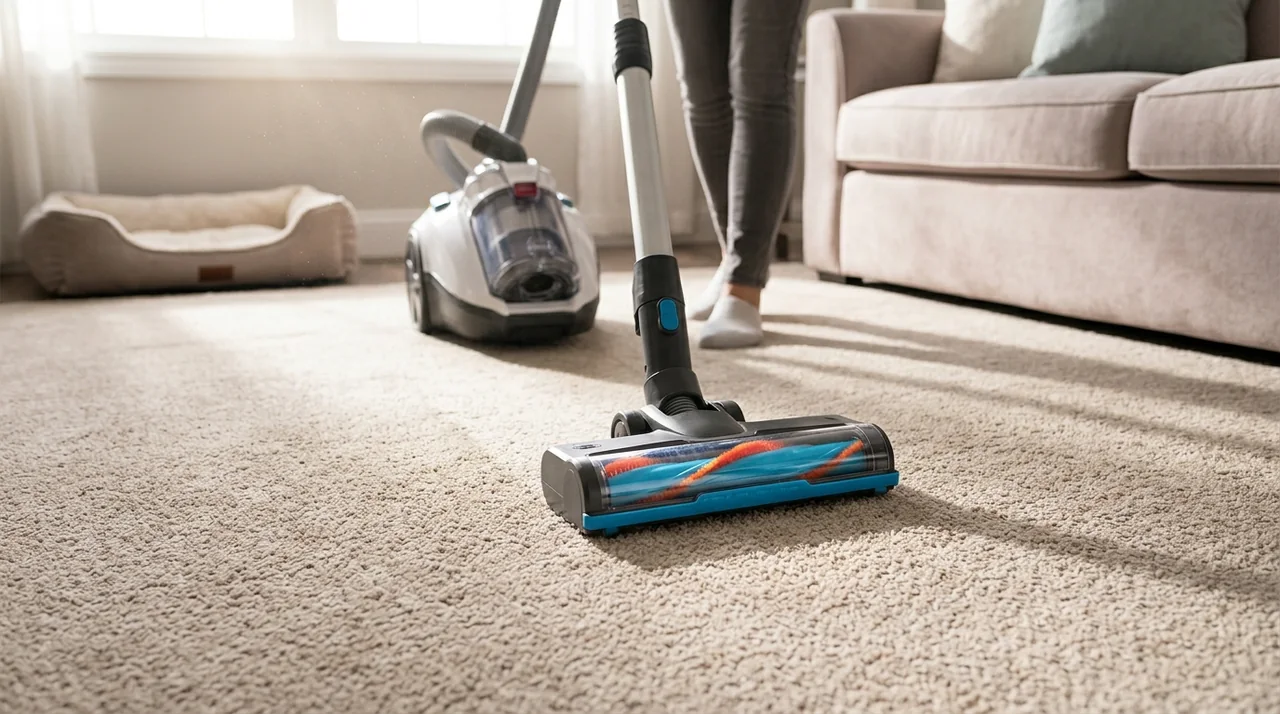
Vacuuming is one of your most powerful and underrated tools. It removes eggs, larvae, and food debris, and importantly, the vibration and warmth help stimulate pupae to emerge from their protective cocoons, making them vulnerable to treatment. Vacuum thoroughly and often: carpets, rugs, along baseboards, under and around furniture, and any spot the pet rests. Get into cracks and edges where larvae hide from light. Dispose of the vacuum contents in a sealed bag in an outdoor bin after each session, and vacuum daily or every couple of days during treatment.
Wash Bedding and Treat the Environment
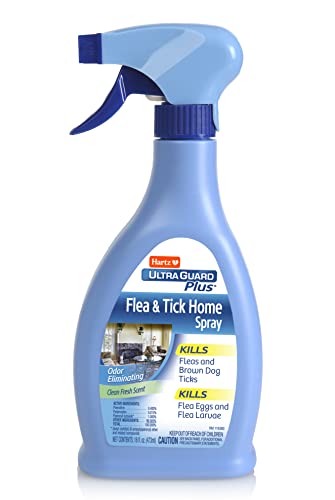
Wash all pet bedding, and any throws or blankets the pet uses, in hot water and dry on high heat; do this weekly during the infestation. Launder or discard heavily infested bedding. For the environment, an EPA-registered flea product for indoor use, ideally one containing an insect growth regulator (IGR) that stops eggs and larvae from developing, can treat carpets and cracks. Read and follow the EPA product label exactly, keep pets and people off treated areas as directed, and never apply a home product directly to your pet.
Persistence Beats the Pupae
Because pupae keep hatching, plan on repeating vacuuming, washing, and any environmental treatment over several weeks until you stop seeing adult fleas. Continue the pet's vet-recommended product on schedule throughout. Use a simple monitor if you like: a shallow dish of soapy water under a nightlight catches hopping adults and shows whether numbers are falling.
If fleas persist after several weeks of consistent treatment of both pet and home, if anyone in the household develops a skin reaction or illness they are worried about (see a doctor), or if the infestation is heavy, a licensed pest professional can treat the environment more thoroughly while your vet manages the pet.