
Asian Lady Beetle
Harmonia axyridis · also called multicolored Asian lady beetle, harlequin ladybird, Halloween beetle
Quick answer
The Asian lady beetle (Harmonia axyridis) is an orange-to-red domed beetle with a variable number of spots and a black M-shaped mark behind its head. A beneficial aphid predator, it becomes a fall nuisance when swarms cluster on and enter homes to overwinter. It can nip and stain but spreads no disease.
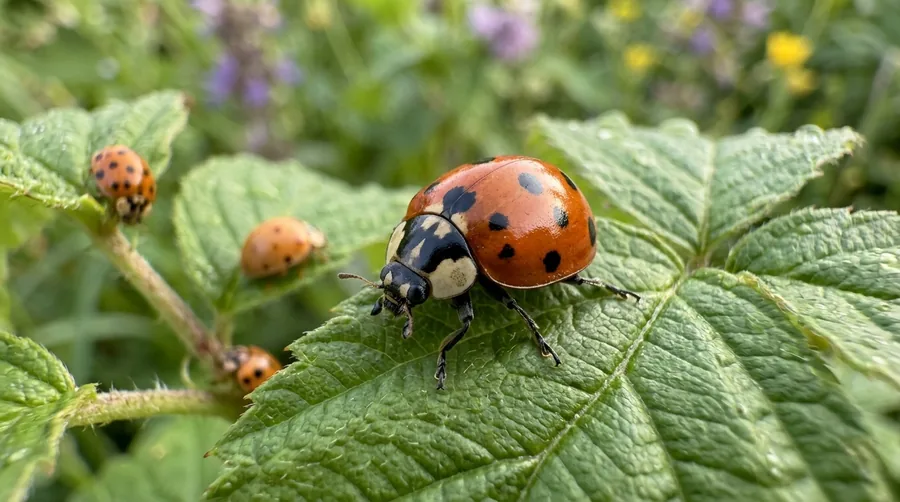
Orange Asian lady beetle with black spots and an M-shaped mark behind its head on a wall
Recommended Products
See the full ranking →


What it does
In the growing season Asian lady beetles are beneficial predators, eating large numbers of aphids and other soft-bodied pests. In fall they gather in huge numbers on sunny walls and push indoors to overwinter in wall voids and attics. Disturbed beetles release a foul-smelling yellow fluid that can stain, and they occasionally nip skin.
Where it lives
Through spring and summer they live on trees, crops, and garden plants where aphids are plentiful. As cold approaches they seek sheltered overwintering sites and are drawn to light-colored, sun-warmed south- and west-facing walls, entering through gaps and cracks. They are established across most of the US.
How it breeds
Females lay clusters of yellow eggs near aphid colonies, and the alligator-shaped larvae feed voraciously before pupating on leaves. There are usually multiple generations per year. The final fall generation seeks shelter to overwinter as adults, re-emerging in spring to feed and breed again.
What it eats
Larvae and adults are predators, feeding mainly on aphids and other small soft-bodied insects; in fall adults may also feed on ripe or damaged fruit.
Identification
Adults are 6-8 mm, domed, and vary from yellow to orange to red with anywhere from no spots to many. The reliable clue is a black M- or W-shaped marking on the whitish area just behind the head, which separates them from native lady beetles.
Signs of an infestation
- Clusters of orange beetles on sunny exterior walls in fall
- Beetles indoors at windows and ceilings in fall and on warm winter days
- Yellow staining fluid and a musty odor where they gather
- Overwintering groups emerging inside during a winter warm spell
Prevention tips
- Seal cracks and gaps around windows, doors, siding, and utilities before fall
- Repair screens and install door sweeps and weatherstripping
- Vacuum up indoor beetles rather than crushing them, which stains and smells
- Apply an exterior perimeter treatment to entry points in early fall if needed
Professional solutions
No indoor chemical treatment is usually needed; exclusion and vacuuming handle most situations. For homes that see overwhelming fall invasions year after year, a professional can apply a timed exterior perimeter treatment to walls and entry points before the beetles move in, which is far more effective than treating them once they are inside.
Health & safety
Asian lady beetles are not disease carriers and cause no property damage, but they can give a harmless nip and release a yellow defensive fluid that stains surfaces and smells unpleasant. In sensitive people, large indoor numbers can trigger allergy or asthma symptoms, and pets that eat many beetles may drool or vomit. Overall risk is low.
Relevant Products




Frequently asked questions
How are Asian lady beetles different from native ladybugs?
The most reliable difference is a black M- or W-shaped mark on the pale area just behind the head, which Asian lady beetles have and native ladybugs lack. Asian lady beetles also vary widely in color and spot number, and they are the ones that swarm homes to overwinter in fall.
Do Asian lady beetles bite?
They can give a mild, harmless nip that feels like a tiny pinch, but they are not aggressive and do not spread disease. When disturbed they release a smelly yellow fluid that can stain walls and fabrics, which is often more of a nuisance than the occasional nip.
How do I keep Asian lady beetles out of my house?
Seal cracks and gaps around windows, doors, siding, and utility lines, repair screens, and add door sweeps before fall. Vacuum up any that get inside rather than crushing them. For severe repeat invasions, a timed exterior perimeter treatment before they arrive works best.
Fact-checked by Morgan Vance, Editorial Director (editorial review, not a professional pest-control or medical sign-off). Last reviewed July 25, 2026. We correct anything a reader shows us is wrong — see our corrections policy.