


What smells are mice said to hate?
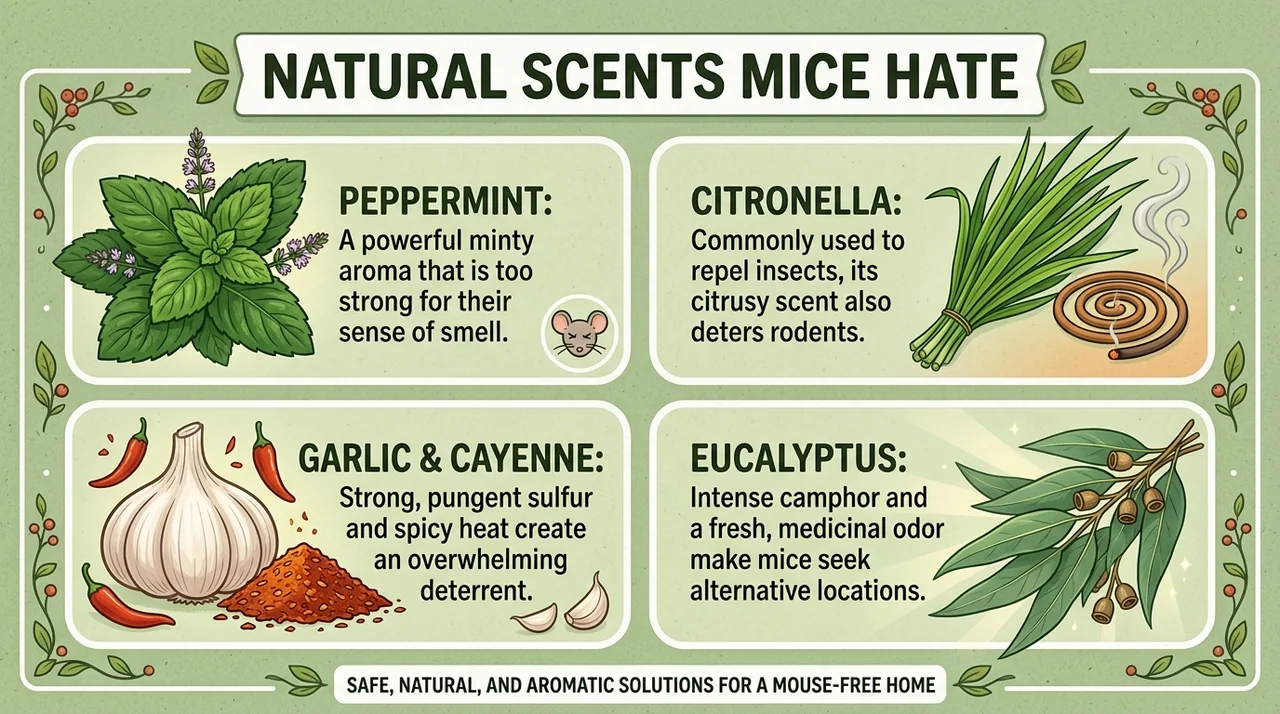
The house mouse (Mus musculus) has a sharp sense of smell. Several strong household odors are popularly claimed to repel it. The one you hear about most is peppermint oil, followed by a handful of others. Commonly cited "mouse-repelling" scents include:
- Peppermint oil
- Cloves and cinnamon
- Vinegar
- Ammonia (sometimes said to mimic the smell of a predator's urine)
Does peppermint oil really repel mice?
Peppermint oil is the most popular home remedy, but the evidence behind it is weak. A fresh, concentrated dab may make a spot briefly unappealing. Yet the effect fades fast as the oil evaporates. A hungry mouse looking for shelter will usually push past a smell it dislikes. Cotton balls soaked in oil also dry out within a day or two. So any protection is short-lived at best. Think of it as a minor, temporary nuisance to a mouse, not a barrier.
Why do scent repellers usually fail?
Scent-based repellents share the same core weakness. They ask a smell to do a job that only a physical or lethal control can finish.
- Odors fade. Essential oils and vinegar evaporate, so protection lasts hours to days, not weeks.
- Mice adapt. Rodents get used to constant smells, especially once they learn there is food or warmth on the other side.
- They do not remove the cause. A repellent does nothing about the gap the mouse enters through or the crumbs that keep it coming back.
What actually keeps mice away?
For real, lasting results, focus on three fundamentals that pest professionals rely on:
Exclusion
Mice can squeeze through a gap about the size of a dime. So sealing the building is the single most important step. Close cracks and holes larger than about a quarter inch. Use steel wool, hardware cloth, or sealant. Pay attention to gaps around pipes, vents, and door sweeps. Our prevention/rodent-proofing/" style="color: var(--pine-700, #1E5B3E); font-weight: 600; text-decoration: underline;">rodent-proofing guide covers where mice get in and how to close each spot.
Sanitation
Remove the food and water that draw mice indoors. Store dry goods and pet food in sealed hard containers. Wipe up crumbs and spills, empty trash regularly, and fix leaks.
Trapping
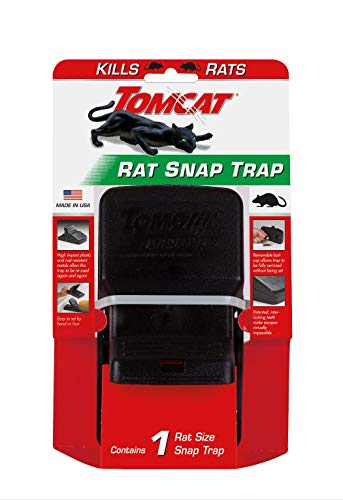
Snap traps are inexpensive and effective. Place them flush against walls, where mice naturally travel. Bait with a dab of peanut butter, use several traps at once, and check them daily.
Are there safety concerns with mouse droppings?
Yes. Some wild rodents can carry hantavirus, including the deer mouse. The virus can spread when dried droppings or nesting material are disturbed. The CDC advises not to sweep or vacuum dry droppings, which can send particles into the air. Instead, ventilate the space first. Then wear gloves, dampen the material with a disinfectant, and wipe it up. Learn to tell a common house mouse from wild species, so you can gauge the risk.
When should I call a professional?
Try scent tricks if you like, but treat them as a footnote to exclusion, sanitation, and trapping. A licensed professional can help in a few situations. Call one if mice keep returning despite your efforts. Call one if you cannot find how they are getting in. And call one if you are dealing with droppings in a large or hard-to-reach space. A pro can locate entry points and set an effective plan. Use any rodent-control product strictly according to its EPA-registered label. Our full guide to getting rid of mice ties these steps together.