

Does peppermint get rid of mice?
The belief that peppermint drives mice away is everywhere, but it does not hold up as a standalone solution. Peppermint in any form may cause a brief avoidance at most. It will not clear out a house mouse (Mus musculus) population that is already established indoors.
Why the peppermint myth is so widespread
The myth persists for a few understandable reasons. Mice really do have a sensitive sense of smell, so a strong odor sounds like it should repel them. The remedy is also cheap and easy. And it appeals to people who prefer a chemical-free, natural-sounding approach. Those qualities make it a popular tip to share. Still, lasting, whole-home control from peppermint alone is not well supported.
The different forms people try
People reach for peppermint in several ways. Each has the same core weakness. The scent is not strong or lasting enough to overcome a mouse's drive for food and shelter.
The growing plant
Some people plant peppermint near foundations or doorways, hoping it will form a barrier. Living plants release only a faint aroma at ground level. They do nothing about mice already inside.
Essential oil on cotton balls
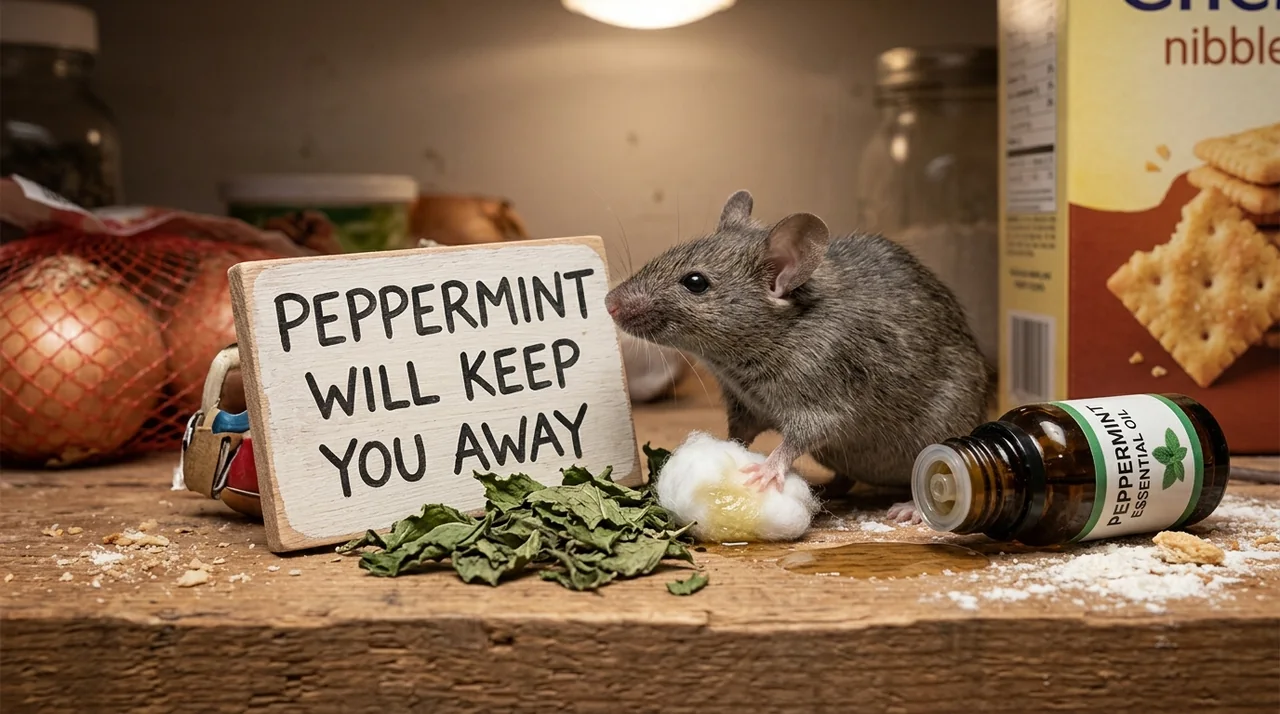
Soaking cotton balls in peppermint essential oil and tucking them in cabinets is the classic method. The oil evaporates within days. So the smell fades fast and needs constant refreshing to have even a mild effect.
Sprays and tea bags
Diluted peppermint sprays and peppermint tea bags are also popular. Like the oil, they lose potency quickly. They cannot compete with a warm nest and a nearby food source.
What the mice are really responding to
Mice make decisions based on access to food, water, and shelter. Whether a corner smells minty does not factor in. Once a mouse has a nest with food and water close by, a pleasant odor is not a strong enough reason to leave. That is why scent-based tactics disappoint while resource-based tactics succeed.
A reliable plan that works
To actually get rid of mice, focus on the things that matter to them:
- Seal entry points about a quarter-inch or larger with steel wool or copper mesh and sealant.
- Store food and pet food in sealed, rigid containers, and clean up crumbs and spills.
- Declutter and remove nesting materials like paper, cardboard, and fabric scraps.
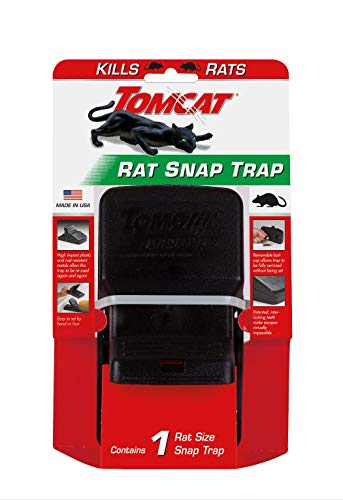
- Set snap traps along walls and in corners where you see droppings and runways.
When it is time for a pro
If you enjoy peppermint's scent, there is no harm in using it as a minor extra. Just keep essential oils away from pets, since some can be harmful to cats and dogs. But do not count on it as your main defense. For an active infestation, or persistent signs like droppings, gnaw marks, and scratching inside walls, a licensed pest control professional can identify how mice are getting in and build a safe, effective plan for your home.