

Do cockroaches bite people?
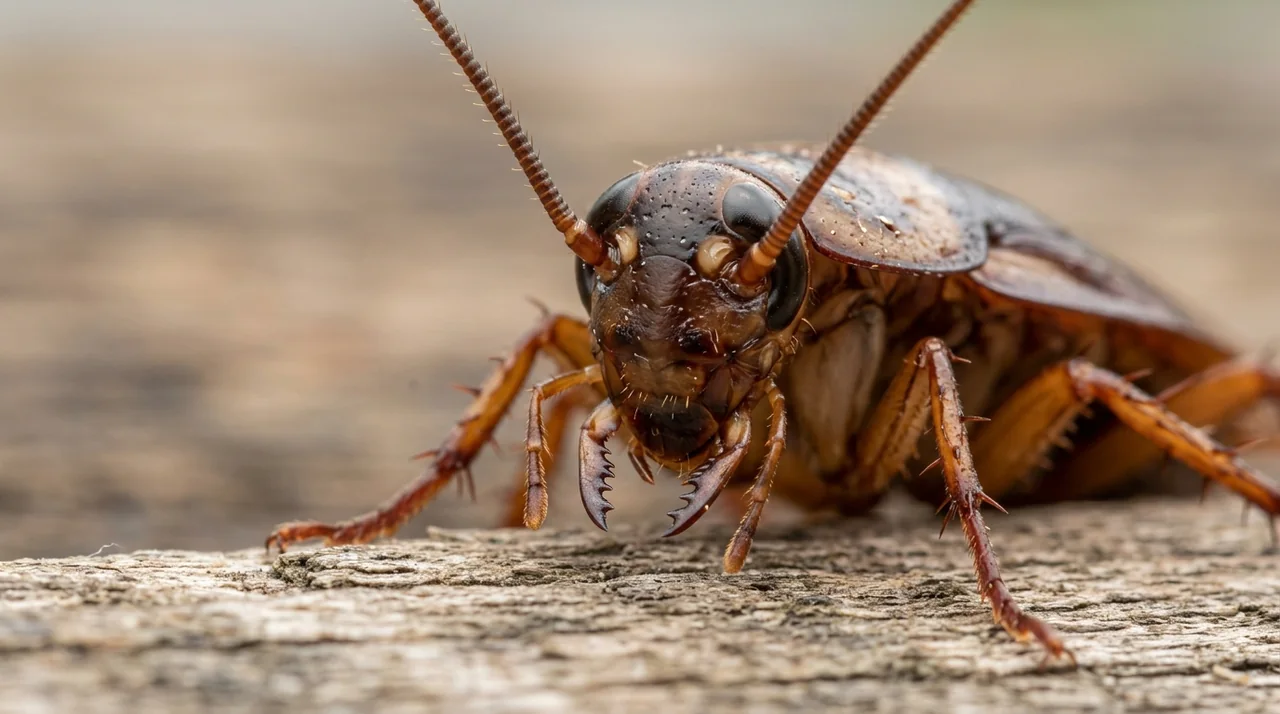
Technically yes, cockroaches are physically capable of biting. But it almost never happens in an ordinary home. Their mouthparts are designed for chewing food, not for attacking. People are of no interest to them as prey. Documented bites come mainly from severe infestations where food is scarce and roaches are extremely numerous. In those cases they may nibble on food traces on fingers, fingernails, or eyelashes while a person sleeps. In a typical household, a cockroach bite is highly unlikely. Most marks people wake up with have other causes.
What does a cockroach bite look like?
If a bite does occur, it is minor and unremarkable:
- A small red bump or slight swelling
- Mild irritation or itching from the skin's reaction
- Occasionally a tiny raised welt that fades within a few days
Why would a cockroach ever bite?
A bite is a sign of an unusual situation rather than normal roach behavior. It generally takes two things together: a very large population and limited food. Only then do roaches resort to nibbling on residue on human skin. In those conditions, sleeping people are simply the path of least resistance. The roach is after food particles, oils, or dead skin, not blood. Addressing the infestation removes the conditions that make a bite possible in the first place.
What is the bigger health concern with cockroaches?
For most households, biting is a minor worry compared with contamination and allergens. Roaches travel across garbage, drains, and surfaces. Along the way, German cockroaches (Blattella germanica) and American cockroaches (Periplaneta americana) can pick up and spread bacteria onto food and food-preparation areas. Their shed skins and droppings are also well-established triggers for allergies and asthma. This can be especially significant for children in homes with heavy infestations. So cockroach control is as much about protecting food and air quality as it is about the pests themselves.
How do I treat a suspected cockroach bite?
Care is the same as for most minor insect bites:
- Wash the area with soap and water
- Apply a cold compress if it is swollen
- Use an over-the-counter anti-itch product if needed
- Watch for signs of infection, such as spreading redness or pus, and see a doctor if it worsens
How do I prevent bites and infestations?
Since bites only happen with large populations, controlling the infestation eliminates the risk. Keep food sealed. Wipe up crumbs and grease. Take out the trash regularly. Fix leaks and damp areas that roaches depend on for water. Seal cracks and gaps to block entry. Cockroach baits used according to the EPA label are effective for reducing numbers. A large or persistent problem is best handled with a professional inspection, much like a serious ant invasion.