
Orb-Weaver Spider
Family Araneidae · also called orb weaver, garden spider, orb-weaving spider
Quick answer
Orb-weavers (family Araneidae) are the spiders that spin the classic round, wheel-shaped webs across doorways, gardens, and eaves. Often large and colorful, they rebuild their web nightly and sit in the center waiting for insects. They are harmless to people and highly beneficial, catching large numbers of flying pests.
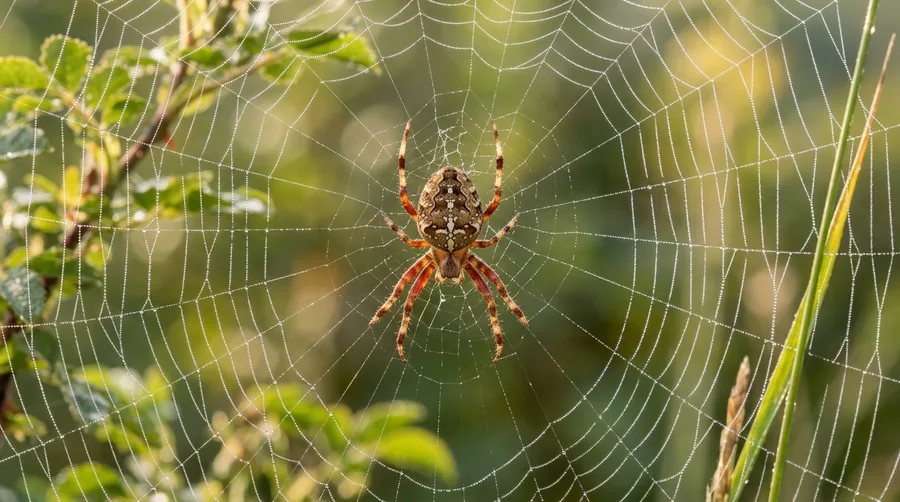
Large orb-weaver spider sitting in the center of a classic circular wheel-shaped web at dusk
Recommended Products
See the full ranking →


What it does
Orb-weavers build the iconic circular, spoked web to snare flying insects, often rebuilding it each evening and eating the old silk. Many rest head-down in the hub at night and hide by day in nearby foliage. They are non-aggressive, staying in their webs, and become most noticeable in late summer and fall when mature.
Where it lives
They string webs in open spaces where insects fly: between shrubs and eaves, across doorways and porch lights, around gardens, fences, and window frames. Outdoor lighting that draws insects is a favorite spot. Orb-weavers are found throughout the US and are among the most conspicuous outdoor spiders.
How it breeds
In late summer and fall, females lay eggs in a silk egg sac attached to foliage or structures, then typically die as cold arrives. The eggs overwinter and spiderlings emerge in spring, growing through the season to mature and rebuild the large webs by late summer, completing a one-year cycle in most species.
What it eats
Orb-weavers are predators of flying and crawling insects, including flies, mosquitoes, moths, and beetles caught in the sticky spiral of the web. By trapping large numbers of flying pests, they are beneficial around homes and gardens. They do not feed on people.
Identification
Orb-weavers vary widely but share the round, spoked capture web and often a rounded or ornately patterned abdomen. Common examples include the black-and-yellow garden spider and the spiny-backed orb-weaver. The distinctive wheel-shaped web is usually the easiest way to recognize the group.
Signs of an infestation
- Large, round, spoked webs across doorways, eaves, and gardens
- A spider resting in the center or hub of the web
- Webs freshly rebuilt each morning after nightly repair
- Silk egg sacs attached to foliage or structures in fall
- Peak sightings of large spiders in late summer and fall
Prevention tips
- Sweep down webs from doorways, eaves, and porches as they appear
- Reduce outdoor lighting or switch to bulbs that attract fewer insects
- Trim vegetation back from walls, doors, and windows
- Seal gaps if spiders are wandering indoors
- Relocate beneficial orb-weavers outdoors rather than killing them
Professional solutions
Orb-weavers rarely need professional control, as they are harmless and beneficial and stay outdoors in their webs. Simply removing webs from high-traffic doorways is usually enough. For homeowners wanting fewer webs overall, reducing insect-attracting lighting is far more effective than pesticides against these helpful garden spiders.
Health & safety
Orb-weavers are not dangerous to people. A bite is rare and only defensive, producing at most mild, brief local discomfort like a bee sting, with no medically significant venom or disease risk. Because they trap large numbers of flying pests, they are best relocated rather than destroyed when possible.
Relevant Products




Frequently asked questions
Are orb-weaver spiders dangerous?
No. Orb-weavers are harmless to people. They are not aggressive, stay in their webs, and any rare defensive bite is mild, similar to a bee sting, with no medically significant venom. They are beneficial, catching large numbers of flying insects around homes and gardens.
Why do orb-weaver webs appear overnight?
Many orb-weavers rebuild their circular web each evening, often eating the old silk to recycle it, then sit in the center to catch night-flying insects. That is why a large, fresh web can seem to appear across a doorway or between shrubs by morning.
How do I keep orb-weavers away from my door?
Sweep down webs where they cross doorways and porches, reduce outdoor lighting that attracts their insect prey, and trim back nearby vegetation. Since they are beneficial and prefer to stay outdoors, relocating them and removing webs is usually enough without pesticides.
Fact-checked by Morgan Vance, Editorial Director (editorial review, not a professional pest-control or medical sign-off). Last reviewed May 29, 2026. We correct anything a reader shows us is wrong — see our corrections policy.