
Cotton Rat
Sigmodon hispidus · also called hispid cotton rat, cotton rats
Quick answer
The hispid cotton rat (Sigmodon hispidus) is a stocky, coarse-furred rodent of the southern US, grizzled gray-brown above with a shorter tail than typical rats. It lives in grassy fields and field edges, damages crops, and is a known carrier of hantavirus, so contact and droppings should be handled with care.
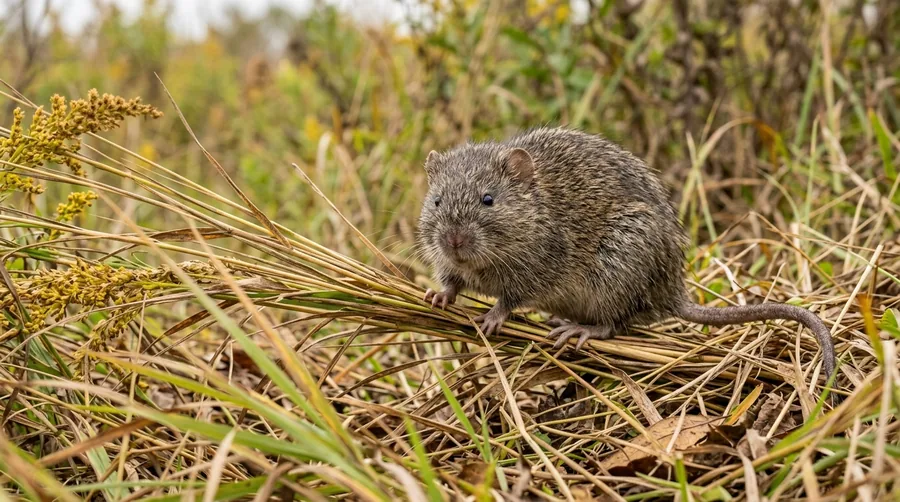
Grizzled gray-brown hispid cotton rat in dense grass at a field edge
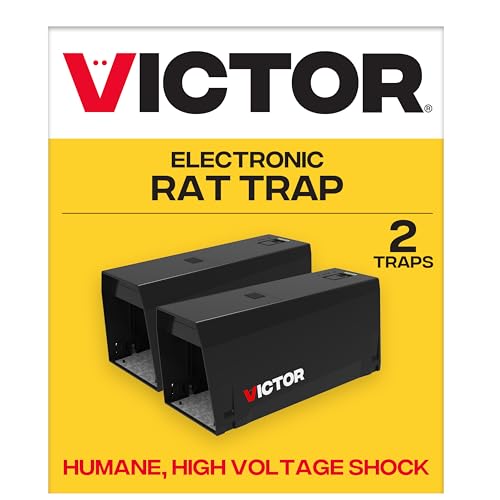
Recommended Products
See the full ranking →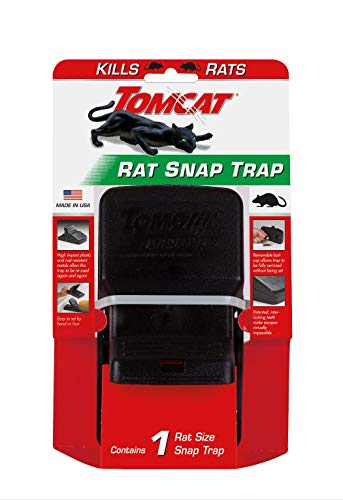

What it does
Hispid cotton rats are active day and night in dense grass, building networks of surface runways and shallow burrows. They are prolific breeders and can reach high numbers, damaging crops and gardens. In the southern US they are an important carrier of a hantavirus strain, so their nests and droppings should be handled carefully.
Where it lives
They live in tall grass, weedy fields, ditches, fencerows, roadsides, and the edges of crops and gardens across the southern US, from the Southeast through the South-Central states and into the Southwest. They rarely invade homes but move into barns, sheds, and outbuildings and into yards bordering grassy, weedy areas.
How it breeds
Cotton rats breed through much of the year in the warm South, with short gestation and litters of about five to seven young. Females can mature in as little as six weeks, so populations can boom and crash dramatically within a season, sometimes reaching very high local densities before declining.
What it eats
Cotton rats are mostly herbivorous, eating grasses, sedges, seeds, and the stems and roots of many plants, and they can damage sugarcane, grain, vegetables, melons, and other crops. They also eat insects and, occasionally, eggs, making them opportunistic when plant food is scarce.
Identification
A cotton rat is a stocky rodent about 5-7 inches in the body with a shorter, sparsely haired tail, small ears nearly hidden in fur, and coarse, grizzled blackish-brown to gray fur (hispid means bristly). Its bristly coat, blunt build, and shorter tail separate it from sleeker roof and Norway rats.
Signs of an infestation
- Runways and clipped grass through dense weedy vegetation
- Shallow burrows and nests at the base of grass or brush
- Crop and garden damage to stems, roots, and low fruit
- Droppings along runways in field edges and fencerows
- Rodents seen in grassy areas bordering barns or gardens
Prevention tips
- Mow and clear tall grass and weeds near buildings and gardens
- Keep a vegetation-free buffer around structures and crops
- Store grain, seed, and pet food in sealed rodent-proof containers
- Seal gaps into barns, sheds, and outbuildings
- Remove brush piles and debris that provide cover
Professional solutions
Because cotton rats live outdoors in vegetation, control centers on habitat reduction and trapping around structures rather than indoor baiting. For crop or persistent yard problems, a pest or wildlife professional can advise on trapping and any EPA-registered rodenticide used in tamper-resistant stations. Disease risk makes professional guidance worthwhile for heavy infestations.
Health & safety
Hispid cotton rats are a known carrier of a hantavirus strain (Black Creek Canal virus) in the southern US and can harbor other pathogens, spread through contact with droppings, urine, or nests. They can bite if cornered. Wet down droppings and nests with disinfectant before cleanup rather than sweeping, wear gloves, and treat them as a higher-concern rodent.
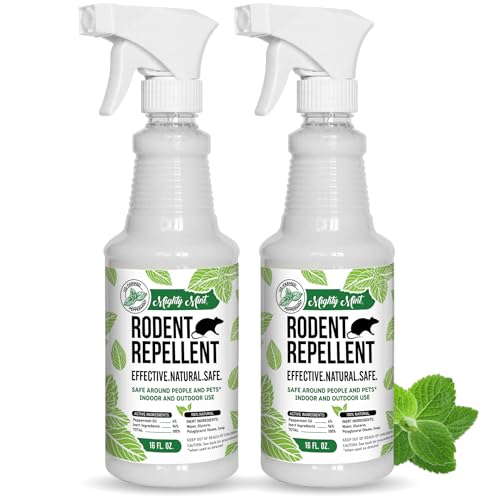
Relevant Products


Frequently asked questions
Where do cotton rats live?
Hispid cotton rats live outdoors in tall grass, weedy fields, ditches, fencerows, and the edges of crops and gardens across the southern US. They rarely enter homes but move into barns, sheds, and yards that border grassy, weedy areas, where they build runways.
Are cotton rats harmful?
They can be. Cotton rats damage crops and gardens by feeding on stems, roots, and fruit, and in the southern US they are a carrier of a hantavirus strain. Their droppings and nests should be cleaned carefully, and heavy populations are worth professional attention.
How do I keep cotton rats away from my property?
Remove their cover: mow tall grass and weeds, keep a clear buffer around buildings and gardens, and eliminate brush piles. Store grain, seed, and pet food in sealed containers, and seal gaps into sheds and barns. Trapping can reduce numbers near structures.
Fact-checked by Morgan Vance, Editorial Director (editorial review, not a professional pest-control or medical sign-off). Last reviewed July 11, 2026. We correct anything a reader shows us is wrong — see our corrections policy.