

Which plants do people use to deter mosquitoes?
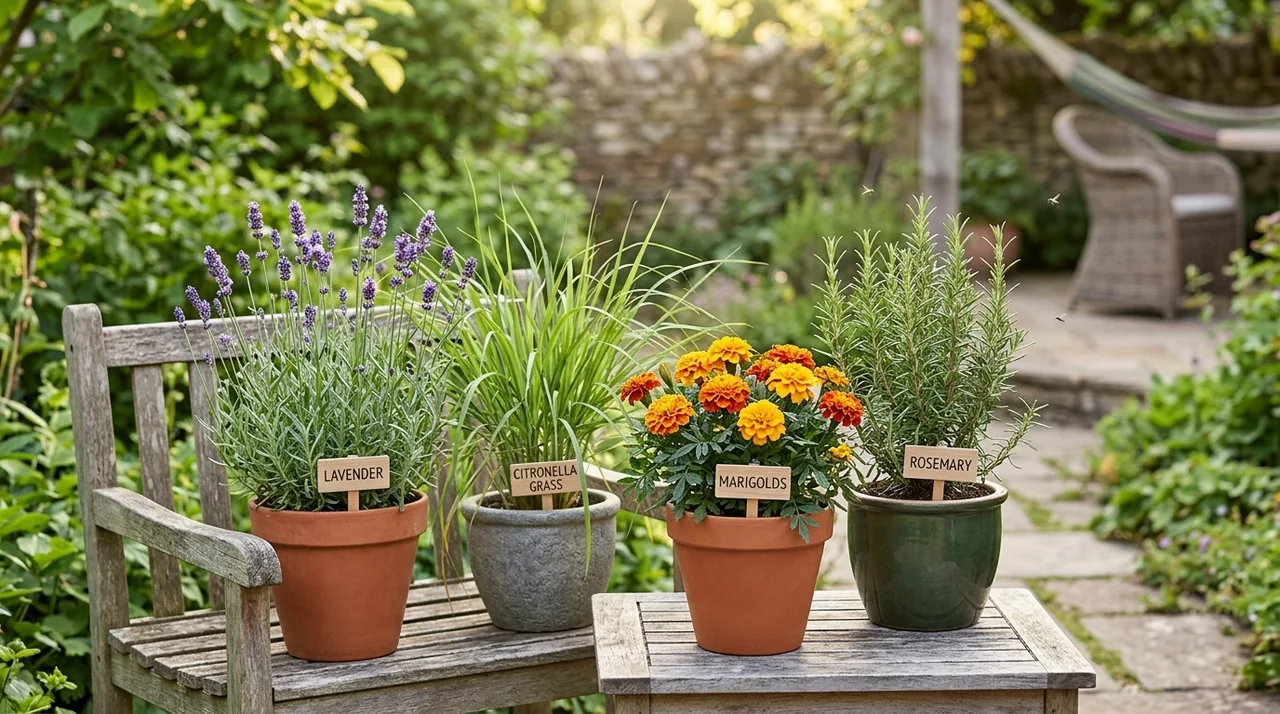
Many common garden and herb plants contain fragrant oils that mosquitoes tend to dislike. Popular choices include:
- Citronella grass (Cymbopogon nardus) and lemongrass
- Lavender and marigolds
- Basil, rosemary, and mint
- Catnip
How are these plants supposed to work?
The active ingredients are the aromatic oils stored inside the leaves and stems. It is not the living plant's presence in the air. Citronella oil, for example, is a recognized ingredient in some repellent products. The catch is how the oil gets out. A plant only releases meaningful amounts when the foliage is crushed. Extracting the oil and applying it works too. The plant does little while it simply grows in a pot.
What are realistic expectations?
The honest truth is that a plant sitting in a pot does little on its own. The repellent oils stay mostly locked inside the leaves. Any scent released into open air is quickly diluted. You get a stronger effect by crushing fresh leaves and rubbing them on nearby surfaces. But the benefit is modest and fades quickly as the oils evaporate. Treat mosquito-repelling plants as a pleasant addition to a garden, not a standalone shield.
Do citronella candles and torches work?
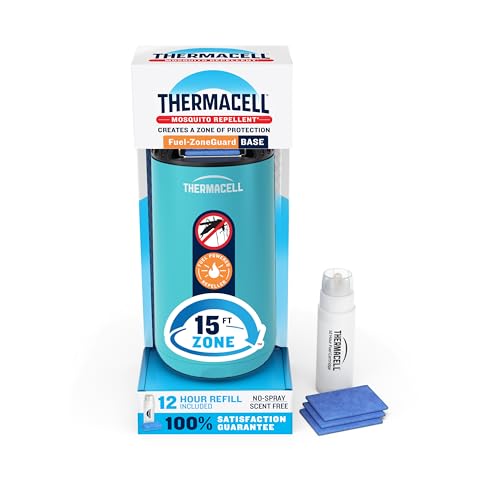
Citronella candles and torches can create a small zone of reduced biting right around them. But the effect is limited, and a breeze easily disrupts it. Think of them as a minor, localized aid for a patio, not reliable whole-yard protection.
How should I use these plants for the best chance of an effect?
If you enjoy these plants anyway, a few habits make the most of them. Grow them in containers near seating areas, so the foliage is within easy reach. Just before you sit outside, gently crush or brush a few fresh leaves. For some herbs, you can rub them on exposed skin or nearby surfaces. Keep in mind that any effect is brief and modest. This works best as a small extra layer. Pair it with removing standing water and using a proven repellent. It should never be your only defense. If you have pets, check that a given plant is not toxic to dogs or cats before planting it where they roam.
What actually protects against mosquitoes?
For dependable protection, pair pleasant plantings with proven measures:
- Eliminate standing water in gutters, saucers, buckets, birdbaths, and toys, since that is where mosquitoes lay eggs and breed. This is the single most effective step.
- Use screens on windows and doors, and repair any tears.
- Run fans on patios and decks; mosquitoes are weak fliers and struggle in moving air.
- Use an EPA-registered repellent on skin, such as one with DEET, picaridin, or oil of lemon eucalyptus, following the label directions.
What if mosquitoes are a constant problem?
Does your yard stay buggy despite removing standing water and using repellent? There may be a breeding source nearby, such as a clogged gutter, a neglected pool, or a low spot that holds water. A licensed pest control professional can help identify and reduce breeding sites, and recommend a plan for the property. You can also read more about the common local species on our house mosquito library page.