

How long does a mosquito bite last?
A typical mosquito bite runs its course in a few days to a week. The itchy welt usually peaks within the first day. Then it gradually settles as your body clears the foreign proteins. For most people the bump and itch are mostly gone within three to seven days. Sensitive individuals may itch longer.
Why do mosquito bites itch?
A female mosquito, such as a house mosquito or an Aedes species, bites to feed. As she feeds, she injects a little saliva to keep your blood flowing. Your immune system reacts to proteins in that saliva by releasing histamine. That produces the familiar red, swollen, itchy bump. In other words, the itch is your body's response to the saliva, not the bite wound itself. People who are bitten often may react less over time as their bodies adjust. Others stay highly sensitive.
What can make a bite last longer?
Several things affect how long a bite sticks around:
- Your sensitivity: stronger immune reactions produce bigger, longer-lasting welts
- Scratching: it worsens irritation and can break the skin, extending healing
- Skeeter syndrome: some people, especially young children, develop large, warm, swollen local reactions that take longer to settle
- Infection: broken skin from scratching can become infected, which prolongs and complicates recovery
How do I stop the itch fast?
To soothe a bite and help it heal:
- Wash the area with soap and water
- Apply a cold compress to calm swelling and itching
- Use an over-the-counter anti-itch cream or an oral antihistamine as directed
- Resist scratching, which delays healing and invites infection
Do mosquito bites leave scars or marks?
Most mosquito bites fade completely without leaving a mark. When a bite does leave something behind, it is usually from scratching or a skin infection rather than the bite itself. On some skin, a healed bite can leave a temporary darker spot. This is known as post-inflammatory hyperpigmentation, and it typically lightens over weeks to months. For the best chance of no lasting mark, avoid scratching and keep the area clean. Let the bite heal without picking at it.
When is a mosquito bite a concern?
Most bites are harmless nuisances. But see a healthcare provider if a bite becomes more swollen, warm, red, and painful over a day or two. This can signal a skin infection. Also seek care if you have a severe allergic reaction. Mosquitoes can carry certain illnesses in some regions. So seek medical care if you develop fever, headache, body aches, or a rash in the days to weeks after being bitten. This is especially true after travel. This is general information, not a diagnosis.
How do I prevent mosquito bites?
Fewer mosquitoes around your home means fewer bites. The single most effective step is removing standing water where they breed, since larvae develop in even small amounts of water:
- Empty and scrub birdbaths, buckets, planter trays, and clogged gutters weekly
- Change pet water bowls and kiddie-pool water often
- Repair window and door screens
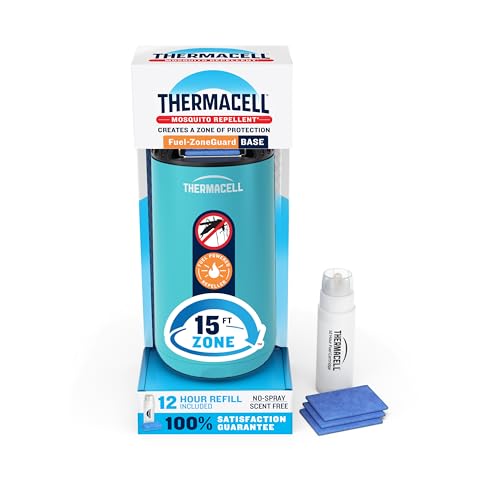
- Apply an EPA-registered repellent per the label and wear long sleeves at dawn and dusk