North Carolina Pest Control: Licensing & Exterminators by City
How pest control is licensed and regulated in North Carolina, how to verify a North Carolina company's license before you hire, and 20 local exterminators across 2 North Carolina cities.
Listings below are shown for informational purposes only, using publicly available contact details. Pest Control for Home has no business relationship with the companies listed, does not vet or endorse them, and is not paid for any listing. Please confirm licensing, insurance, and pricing directly with a business before hiring.
Pest Control Licensing in North Carolina
Pest control in North Carolina is regulated by the North Carolina Department of Agriculture. The work sits with its Structural Pest Control and Pesticides Division. Any company that treats homes for insects, rodents, termites, or other structural pests must hold a valid state license. That license has to be in place before the company can legally offer or perform the work. The rule applies the same way in Charlotte, in Raleigh, and in smaller towns across the state.
Why a License Is Required
The license requirement protects the people whose homes get treated. It confirms that anyone applying a pesticide has shown the right training. It also confirms that the company holds the credentials North Carolina treats as the minimum for safe, competent work. A license is not a marketing badge a company hands itself. The state issues it, and the state tracks it.
A Public Record You Can Check
These records are kept by the Department of Agriculture. That means you never have to take a company's word for its licensing. Every licensed structural pest control company and certified applicator in North Carolina appears in the department's official credential records. You can confirm that a provider is properly licensed before you sign anything. You can also check before you let a technician into your home. The sections below show how to run that check yourself. They also explain what the license actually covers.
How to Verify a Pest Control License in North Carolina
Verifying a license is the single most useful check you can do before you hire. In North Carolina it is free. It takes only a few minutes on the official state site.
Where to Look
Start at the North Carolina Department of Agriculture and its Structural Pest Control and Pesticides Division. This is the state authority that publishes a credential search for the public. Do not rely on a logo on a truck. Do not rely on a claim on a website. Go straight to the government source and look the company up there.
What to Check
- Search by the company's exact legal name. You can also search by its license or credential number if you have one. Ask the company for that number up front. A professional provider will share it without hesitation.
- Confirm the record is current and active. It should not be expired, lapsed, or suspended. A license that was valid years ago does not mean the exterminator is licensed today.
- Check that the credential covers the type of work you need. North Carolina licenses structural pest control by category. A company set up for general household pests may hold different credentials than one certified for termites and other wood-destroying organisms.
- Look for any disciplinary actions or complaints attached to the record. Note the name on the license, and make sure it matches the business quoting you.
- It is also worth asking whether the company carries insurance, so you know where you stand if a treatment goes wrong.
When Something Does Not Match
Sometimes a company cannot or will not give you a license number. Sometimes the details on the state site do not match what you were told. Treat either one as a warning sign. When information from a company conflicts with the official record, trust the official record. The department maintains the data and updates it as credentials change. It has no incentive to make a provider look more qualified than it is. A couple of minutes spent confirming a current North Carolina license protects you. It keeps you clear of unlicensed operators and of work that may not meet state standards.
How North Carolina Regulates Pest Control
A North Carolina structural pest control license makes a clear statement. It says the business and the people doing the work meet standards the state sets and enforces.
What the Law Requires
The North Carolina Structural Pest Control Act sets the ground rules. Companies must be licensed. Individuals who apply treatments must be certified or registered. In practice that means passing examinations. It means working under qualified supervision. It also means keeping their credentials current. These regulations give the whole industry a shared baseline.
Handling Pesticides Responsibly
Licensing is tied closely to how pesticides are handled. A structural pesticide is a regulated product. The state expects each pesticide to be applied by trained people. Those people need to understand correct dosages and label directions. They also need to protect the household, including children and pets. Licensed applicators are accountable for using these materials responsibly. If they are not, the credential can be acted on.
Why the Rules Protect You
This framework is what protects consumers. It gives you recourse if something goes wrong. It sets a baseline of competence across the industry. It also creates a public record you can check. Applying structural pesticides for hire without the required North Carolina license is illegal. Hiring an unlicensed operator leaves you exposed. You have little protection if the treatment fails, damages your property, or is carried out unsafely. Choosing a licensed, professional provider is the practical way to make sure the company answers to the state, not only to itself.
Common Pests Across North Carolina
North Carolina's pest pressure changes as you move across the state. Think of it in three broad regions. The coastal plain sits in the east. The Piedmont runs through the center. The mountains rise in the west. What a homeowner deals with near the coast is not always what someone faces in the foothills.
Termites and Moisture-Loving Pests
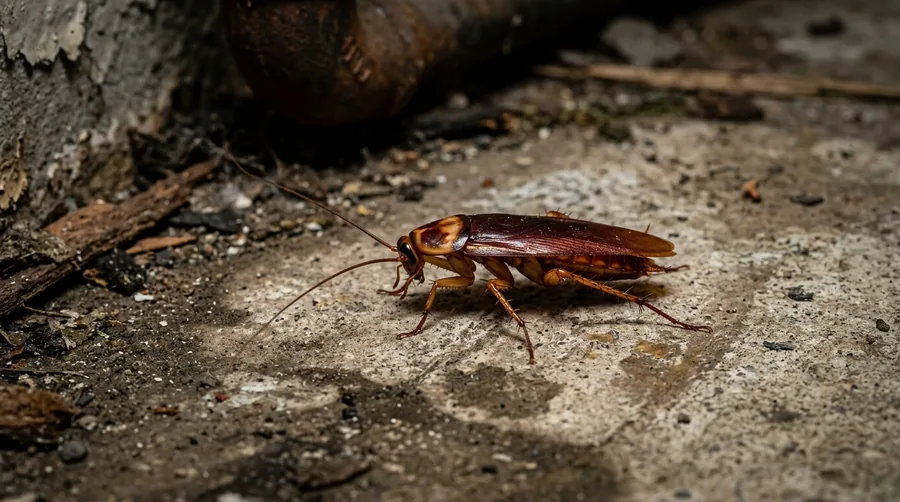
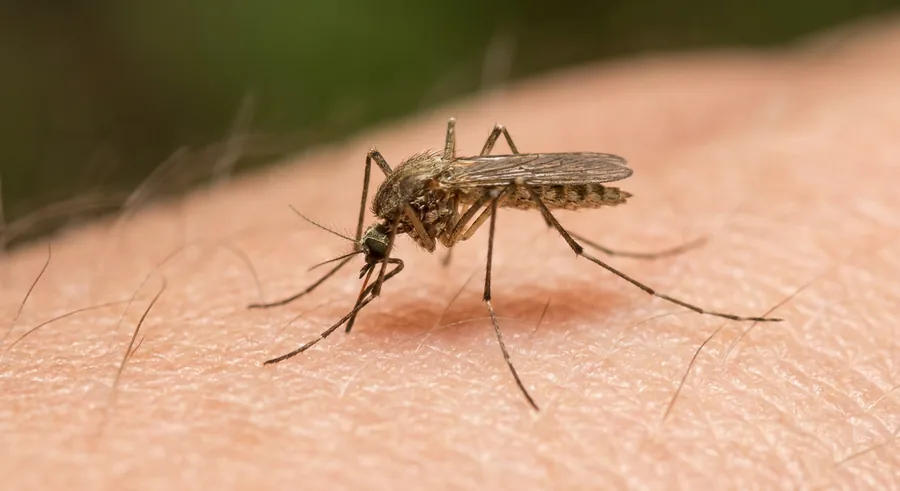
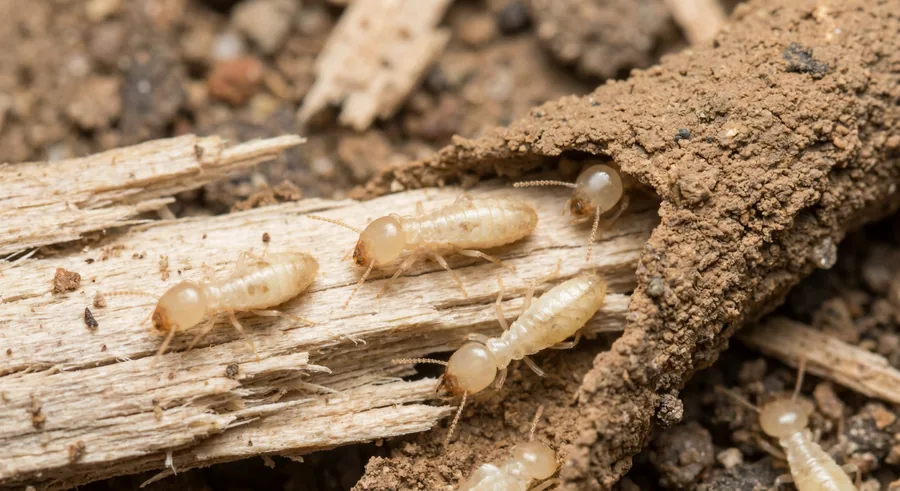
Warm, humid conditions cover much of the state. They favor insects that thrive on moisture. Subterranean termites are a year-round structural concern. The pressure is heaviest in the warmer, wetter east and the Piedmont. Termites are one of the main reasons wood-destroying organism inspections are common in North Carolina real estate. The American cockroach turns up statewide. The northern house mosquito breeds wherever standing water collects, and the warm season here is long.
Ants and Rodents
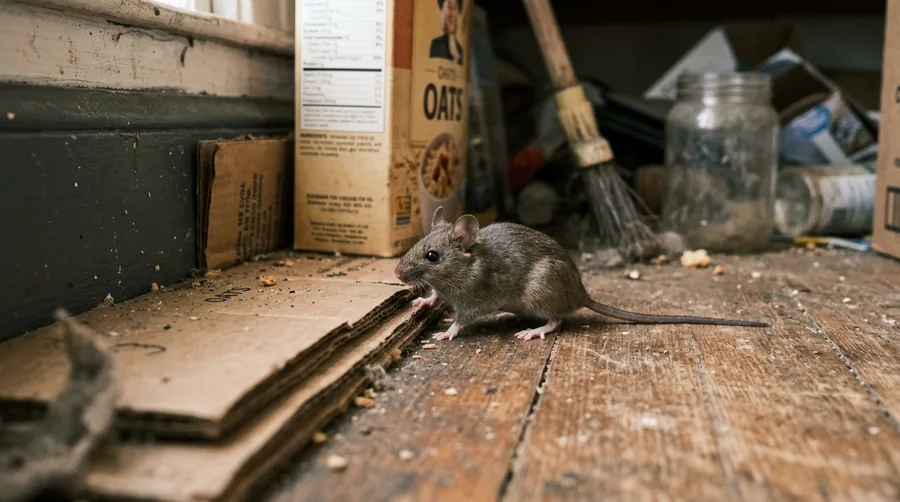
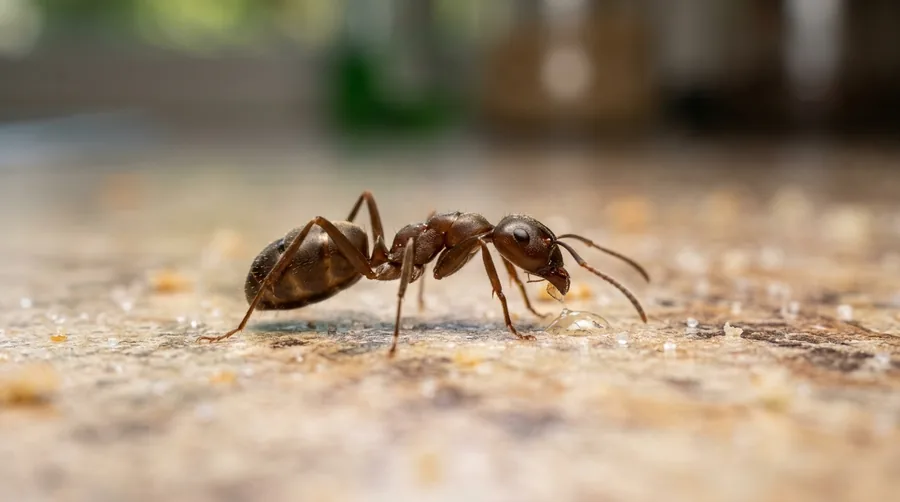
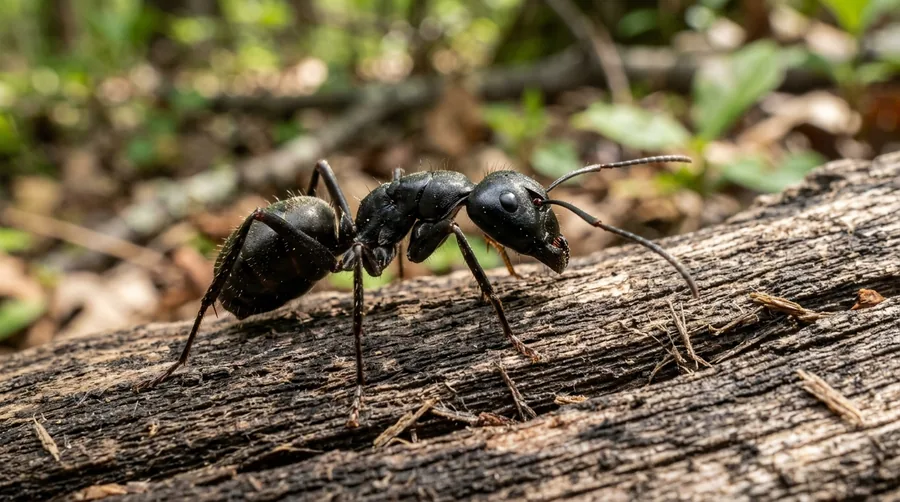
Ants are a steady presence too. Odorous house ants move indoors across the Piedmont and beyond. Carpenter ants are more often tied to wooded and mountain areas. They look for damp or damaged timber to get a foothold. Rodents such as the house mouse press indoors statewide as temperatures drop. Cooler mountain homes can see that pressure earlier in the fall.
Spiders and Local Differences
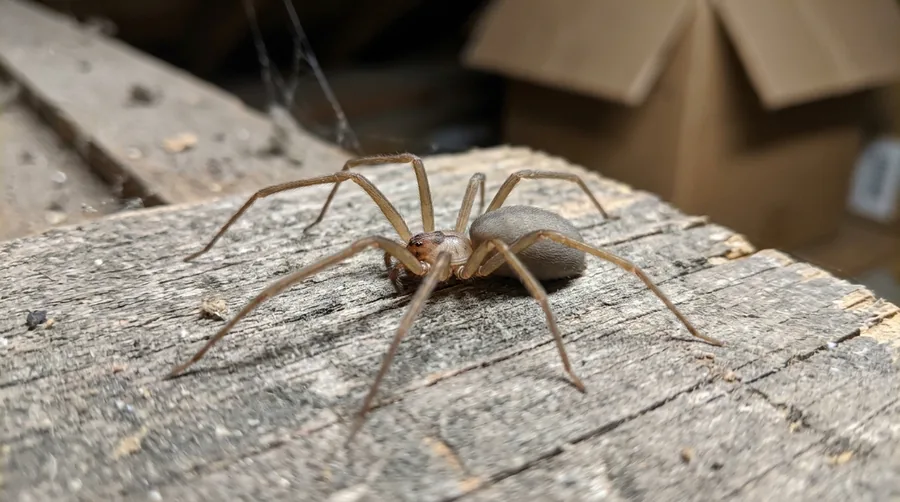
Spiders round out the picture. The brown recluse is reported in parts of North Carolina. It usually keeps to undisturbed indoor spaces like closets, basements, and storage areas. Pressure varies by region and season. A plan that makes sense on the coast may look different in the mountains. That is why local knowledge matters when you choose a provider.
Pest Control Costs in North Carolina
What you will pay for pest control in North Carolina depends on a few things. The pest matters. So does the size of your home. It also depends on whether you need a one-time treatment or an ongoing plan. That is why statewide averages only tell you so much.
What Drives the Price
Termite work and specialized inspections generally cost more than routine ant or cockroach service. Rather than quote figures here, we cover typical ranges and what drives them in our [pest control cost guide]. Always get more than one written quote from licensed companies before you commit. Comparing quotes helps you weigh both the price and the professional behind it.
Identify Common North Carolina Pests
Tap any pest for a full identification, prevention, and control guide.
Local Exterminators in North Carolina, by City
North Carolina Pest Control — FAQ
How do I verify a pest control license in North Carolina?
Go to the North Carolina Department of Agriculture and its Structural Pest Control and Pesticides Division. Use its public credential search. Look the company up by its legal name or license number. Confirm the credential is current and active. Check that it covers the service you need. If the company's claims do not match the state record, trust the official record.
Who regulates pest control companies in North Carolina?
Structural pest control in North Carolina is regulated by the North Carolina Department of Agriculture through its Structural Pest Control and Pesticides Division. This authority licenses companies and certifies applicators. It also maintains the public records you can use to verify a provider.
Do pest control companies in North Carolina have to be licensed?
Yes. Any company applying structural pest control treatments for hire in North Carolina must hold a valid state license. The individuals doing the work must be properly certified or registered. Applying a pesticide commercially without the required license is illegal in the state.
What does a North Carolina pest control license actually cover?
A license shows that the company and its applicators meet North Carolina's standards. Those standards cover handling structural pesticides safely and competently. North Carolina licenses by category. So confirm the credential matches your need. General household pest work and wood-destroying organism (termite) work can require different qualifications.
What should I do if a company isn't licensed in North Carolina?
If you cannot confirm a current, active license on the state site, do not hire the company. Ask for its license number and check again. If it still cannot be verified, choose a provider you can confirm. An unlicensed exterminator offers you little protection if something goes wrong.