


Ticks in the yard are a genuine health concern, but the instinct to blast the whole lawn wastes product and misses the target. Ticks aren't spread evenly across your grass — they concentrate in specific microhabitats, and treating those zones is both more effective and lighter on the environment.
Where Ticks Actually Live in the Yard
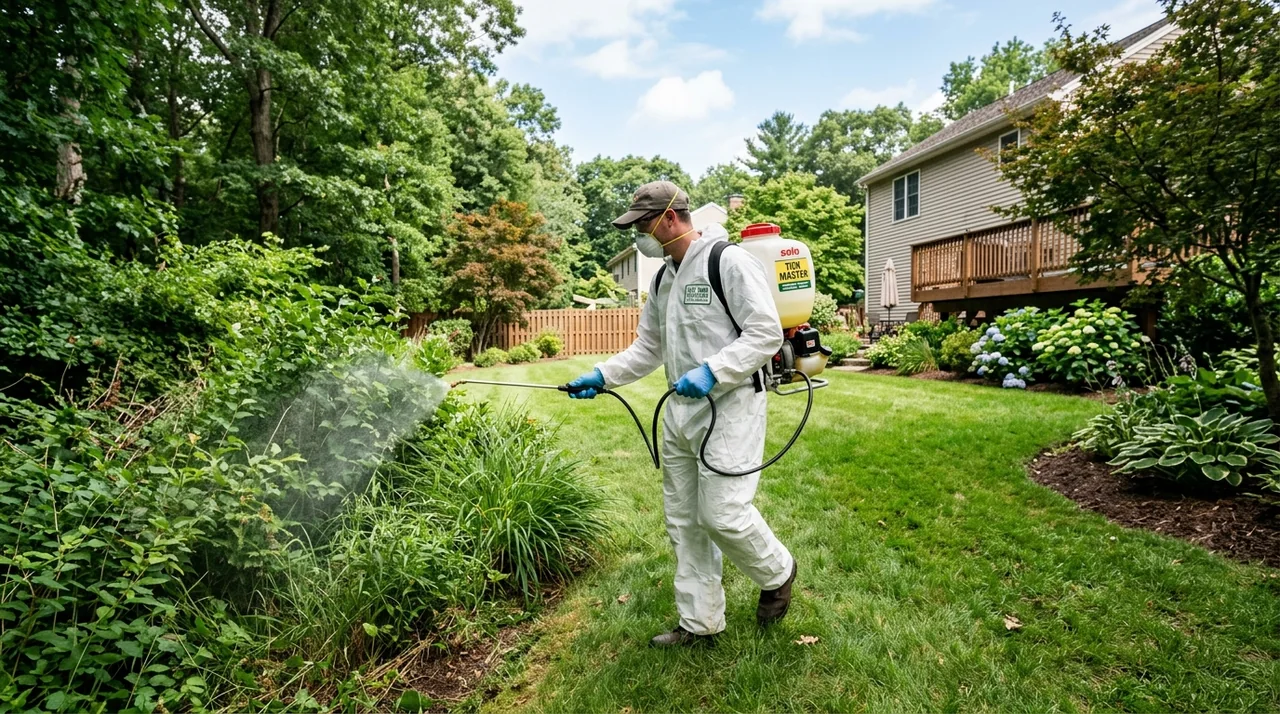
Ticks need shade and humidity, so they gather where lawn meets woods, in leaf litter, tall grass, groundcover, along stone walls, and around woodpiles and ornamental plantings. They avoid open, sunny, mowed turf, which dries them out. That means the highest-value target is the yard's edges and transition zones, not the middle of the lawn. Focusing there hits ticks where they are and dramatically reduces how much area you treat — and how much product you buy and apply.
Spray Options
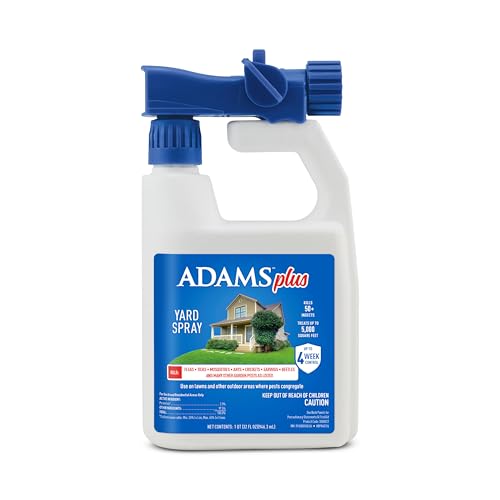
- Synthetic pyrethroids (bifenthrin, permethrin, cyfluthrin) are the common yard acaricides, applied as a barrier to edges and the perimeter. They give strong knockdown and useful residual.
- Botanical / natural options (cedarwood oil, essential-oil blends) appeal to those avoiding synthetics. They generally have a shorter residual and more variable efficacy, so expect to reapply more often.
An Integrated Yard Approach
Sprays perform best paired with habitat management that makes your yard inhospitable to ticks:
- Mow regularly and rake up leaf litter
- Create a wood-chip or gravel barrier between lawn and woods
- Move woodpiles, bird feeders, and play equipment away from wooded edges
- Discourage deer and rodents, which carry ticks in
Reducing the animals that carry ticks in matters as much as the spray itself. Deer transport adult ticks and browse at yard edges, so deer-resistant plantings and fencing along the woodland border can lower the tick load reaching your lawn. Rodents such as mice host the immature ticks that pick up disease organisms, so keeping woodpiles, birdseed, dense ground cover, and stone-wall clutter away from play and sitting areas removes their shelter. A dry, sunny buffer of lawn or hardscape between the house and any wooded edge gives ticks a zone they struggle to cross. Together these habitat steps often cut tick numbers more than any single spray, and they keep working between applications — which is why the most successful yards combine light, well-timed treatment with steady landscape management rather than relying on chemicals alone.
Applying Safely
Acaricides are toxic to bees and aquatic life, so never spray blooming plants or near water, wells, or drainage, and keep children and pets off treated areas until dry, exactly as the EPA-registered label directs. Measure and mix at the labeled rate — a stronger mix is not more effective and is off-label. For any product exposure, call Poison Control at 1-800-222-1222. And remember that yard treatment reduces but doesn't eliminate risk — keep using personal precautions such as repellent and daily tick checks, and see a doctor about any tick bite that concerns you or is followed by a rash or fever.


