
Silverfish
Lepisma saccharina · also called silverfish, fishmoth, carpet shark
Quick answer
The silverfish (Lepisma saccharina) is a wingless, silvery-gray insect with a tapered, carrot-shaped body and a fish-like wriggle. It favors humid bathrooms, basements, and attics, feeding on starches in paper, glue, wallpaper, and fabric. Harmless to people, it can damage books, documents, and stored items over time.
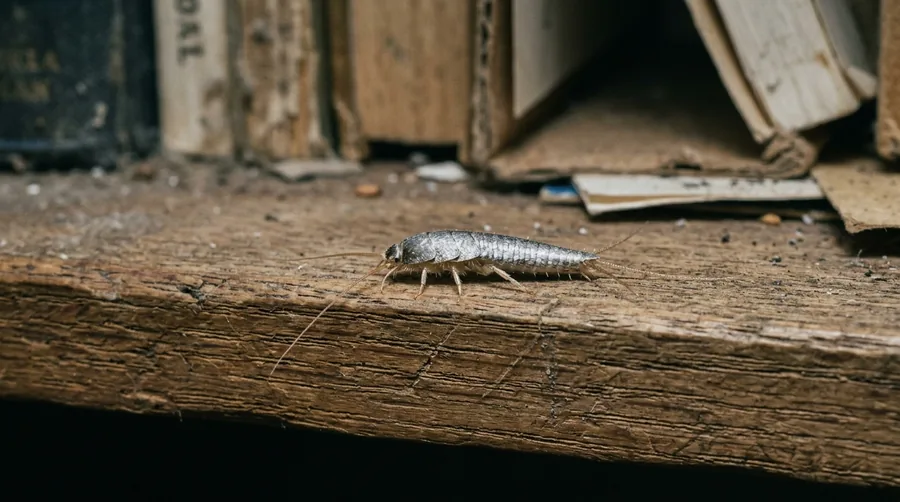
Silvery-gray teardrop-shaped silverfish with long antennae and tail bristles on a book page
Recommended Products
See the full ranking →


What it does
Silverfish are nocturnal and secretive, darting quickly with a side-to-side, fish-like motion when disturbed. They hide in dark, humid cracks by day and forage at night for starchy foods. They are wingless, cannot climb smooth vertical surfaces well, and are often found trapped in sinks and tubs they cannot escape.
Where it lives
They prefer damp, humid areas: bathrooms, basements, laundry rooms, kitchens, attics, and closets, hiding behind baseboards, in wall voids, under sinks, and among stored papers and boxes. They thrive where humidity is high and are found nationwide, most common in older or moisture-prone homes.
How it breeds
Silverfish develop slowly. A female lays a few eggs at a time in cracks, and the young resemble small adults, molting many times as they grow. They mature over several months to a few years depending on conditions and are long-lived for an insect, continuing to molt even as adults.
What it eats
Silverfish eat carbohydrates and starches: paper, book bindings, wallpaper paste, glue, cardboard, cereals, flour, and starched or natural fabrics like cotton and linen. They can survive long periods without food, which helps them persist in stored boxes and undisturbed areas.
Identification
Silverfish are 1/2 to 3/4 inch, wingless, silvery-gray with a metallic sheen and a flattened, teardrop or carrot-shaped body that tapers to the rear. They have two long antennae in front and three bristle-like tails at the back. Their quick, wriggling movement is a strong identifying trait.
Signs of an infestation
- Silvery, wriggling insects in sinks, tubs, or on walls at night
- Irregular holes, notches, or grazed surfaces on paper and wallpaper
- Yellowish stains or tiny black pepper-like droppings on stored items
- Shed skins in boxes, closets, and along baseboards
- Damaged book bindings, photos, or documents in storage
Prevention tips
- Lower indoor humidity with dehumidifiers and better ventilation
- Fix leaks and dry out damp basements, bathrooms, and attics
- Store papers, books, and fabrics in sealed plastic bins
- Seal cracks and gaps around baseboards, pipes, and trim
- Declutter cardboard and old paper where they feed and hide
Professional solutions
Most silverfish problems respond to moisture control, decluttering, and targeted treatments like desiccant dusts or baits in cracks and voids. Persistent or widespread infestations, especially in humid older homes, may warrant a professional who can apply crack-and-crevice treatments and identify hidden moisture sources fueling the population.
Health & safety
Silverfish do not bite, sting, or spread disease, so they pose essentially no direct health risk. Their shed skins and scales may contribute slightly to indoor allergens for sensitive people. The real cost is property damage: they can ruin books, documents, wallpaper, photos, and stored fabrics over time.
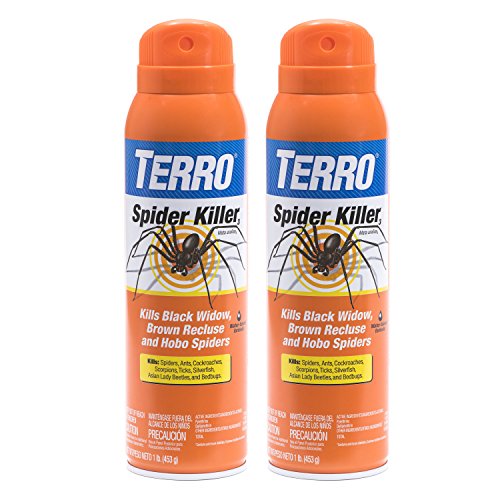
Relevant Products




Frequently asked questions
What attracts silverfish to a home?
Silverfish are drawn to humidity and starchy food. Damp bathrooms, basements, and attics give them the moisture they need, while paper, cardboard, book bindings, wallpaper paste, and stored fabrics provide food. Lowering humidity and reducing paper clutter are the two most effective ways to make a home less inviting.
Are silverfish harmful?
Not to people. Silverfish do not bite, sting, or spread disease. The concern is property damage: they feed on paper, books, wallpaper, photos, and starched fabrics, and can quietly ruin stored items in humid, undisturbed areas over months or years.
How do I get rid of silverfish?
Start by lowering humidity with a dehumidifier and fixing leaks, then declutter paper and cardboard and store valuables in sealed bins. Sealing cracks and applying a desiccant dust or crack-and-crevice treatment in hiding spots helps. Heavy or persistent infestations may need a pest professional.
Fact-checked by Morgan Vance, Editorial Director (editorial review, not a professional pest-control or medical sign-off). Last reviewed August 10, 2026. We correct anything a reader shows us is wrong — see our corrections policy.