
Hobo Spider
Eratigena agrestis · also called hobo spider, funnel weaver, aggressive house spider
Quick answer
The hobo spider (Eratigena agrestis) is a brown funnel-web spider found in the Pacific Northwest and inland Northwest. It builds funnel-shaped webs in ground-level cracks and is a fast runner. Once wrongly blamed for necrotic bites, it was removed from the CDC's venomous list in 2017, and current evidence shows its bite is not medically dangerous.
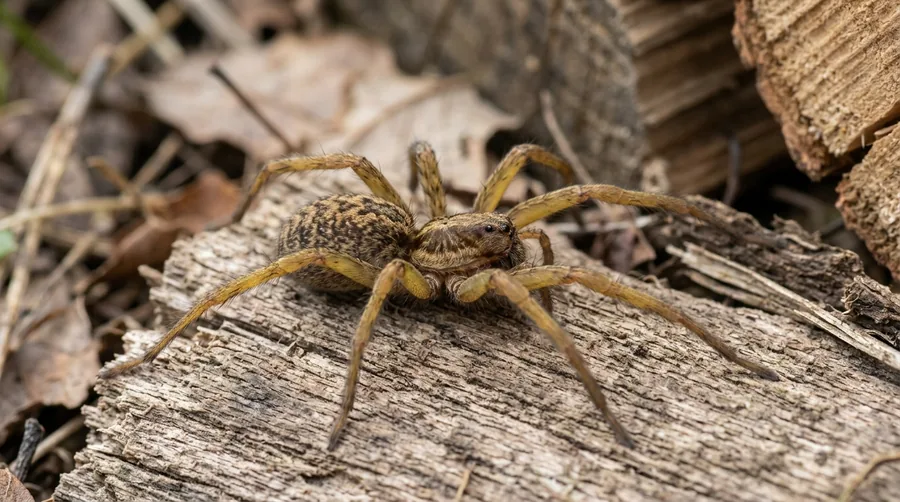
Brown hobo spider with a chevron pattern on its abdomen at the mouth of a funnel web
Recommended Products
See the full ranking →


What it does
Hobo spiders build horizontal funnel webs and wait at the narrow end to ambush prey; they are not sticky-web hunters. They are fast on the ground but have poor climbing ability, so they are usually seen low on walls and floors. Roaming males, searching for mates in late summer and fall, account for most indoor sightings.
Where it lives
They favor ground-level cracks and dark, moist retreats: foundation gaps, window wells, basements, crawl spaces, woodpiles, and under debris, where they anchor their funnel webs. In the US they are established in the Pacific Northwest and inland Northwest. They seldom venture far above floor level.
How it breeds
Females attach flattened, layered egg sacs to sheltered surfaces near the funnel web in fall. Spiderlings emerge the following spring and mature over the season, with males wandering to find mates in late summer and fall. Most hobo spiders complete their life cycle in one to two years.
What it eats
Hobo spiders prey on insects and other small arthropods that stumble into or near their funnel webs, including beetles, flies, and other spiders. They subdue prey with venom suited to insects and do not feed on people.
Identification
Hobo spiders are brown with a herringbone or chevron pattern down the top of the abdomen and lack the dark leg bands seen on some look-alikes. They closely resemble other funnel weavers and giant house spiders, so reliable identification often requires a specialist and a hand lens or microscope.
Signs of an infestation
- Funnel-shaped webs in ground-level cracks and corners
- A fast brown spider running low along floors and walls
- Roaming spiders indoors in late summer and fall
- Chevron or herringbone markings on the abdomen
- Webs in basements, crawl spaces, and window wells
Prevention tips
- Seal foundation cracks, gaps, and utility penetrations
- Install door sweeps and repair window and vent screens
- Reduce clutter and debris in basements and along the foundation
- Move woodpiles and stored items away from exterior walls
- Use glue-board traps low along walls to monitor and catch them
Professional solutions
For frequent indoor encounters, a pest professional can apply EPA-labeled perimeter treatments, place monitoring glue boards, and advise on sealing entry points, since hobo spiders enter low to the ground. DIY exclusion, decluttering, and glue-board trapping handle most situations without extensive chemical treatment.
Health & safety
Current evidence does not support the old belief that hobo spider bites cause necrotic wounds; the CDC removed it from its venomous-spider list in 2017. Bites are uncommon and typically cause only mild, temporary local irritation. If a bite reaction concerns you, seek medical advice or call Poison Control at 1-800-222-1222.
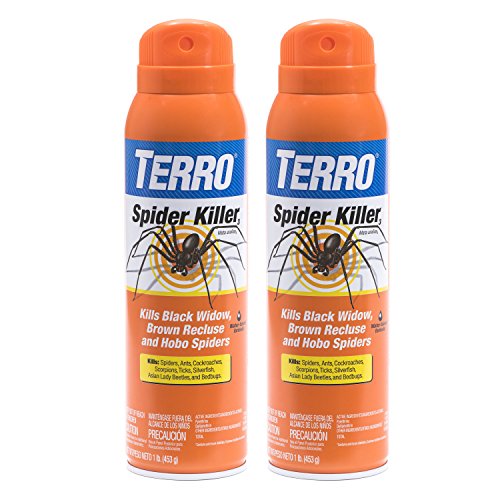
Relevant Products




Frequently asked questions
Are hobo spider bites dangerous?
Modern evidence indicates hobo spider bites are not medically dangerous. The older claim that they cause necrotic wounds has been debunked, and the CDC removed the hobo spider from its venomous-spider list in 2017. Bites are uncommon and usually cause only mild, short-lived irritation.
How do I identify a hobo spider?
Hobo spiders are brown with a chevron or herringbone pattern on the abdomen and no dark leg bands, and they build funnel-shaped webs near the ground. They look very similar to other funnel weavers, so confident identification usually needs a specialist with magnification.
Where are hobo spiders found?
In the US they are established in the Pacific Northwest and inland Northwest. They live in ground-level cracks and dark, moist retreats and rarely climb high, so most indoor sightings are of males wandering along floors in late summer and fall.
Fact-checked by Morgan Vance, Editorial Director (editorial review, not a professional pest-control or medical sign-off). Last reviewed July 22, 2026. We correct anything a reader shows us is wrong — see our corrections policy.