
Field Cricket
Gryllus spp. · also called field crickets, black cricket, common field cricket
Quick answer
The field cricket (Gryllus species) is a shiny black cricket up to an inch long with a loud, familiar chirp. It lives outdoors in fields and yards but moves indoors in fall seeking warmth. Field crickets feed on plants, fabrics, and paper, and are mostly a seasonal nuisance rather than a health threat.
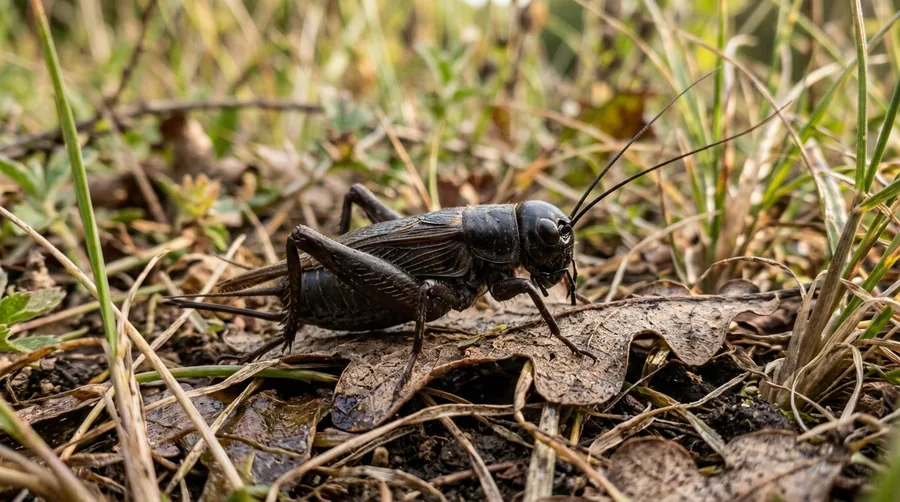
Shiny black field cricket with long antennae on a wooden surface
Recommended Products
See the full ranking →


What it does
Field crickets are active in late summer and fall, when males chirp loudly day and night to attract mates. They live outdoors but move toward warmth as temperatures drop, entering homes through gaps. Indoors they are noisy and can damage fabrics; large fall migrations into buildings are a common seasonal nuisance.
Where it lives
They live in fields, lawns, pastures, roadsides, and gardens, sheltering under rocks, logs, mulch, and debris by day. In late summer and fall they move toward buildings and slip inside through door gaps, foundation cracks, and vents, turning up in basements, garages, and ground-floor rooms across the US.
How it breeds
Females use a long, needle-like ovipositor to lay eggs in soil in fall; the eggs overwinter and hatch in spring. Nymphs mature through the summer over several molts, and adults appear in late summer. Most regions see one generation a year, timed so the loud adult chirping peaks in late summer and fall.
What it eats
Field crickets are omnivores that eat plants, seeds, and other insects outdoors, and they can damage some crops and seedlings. Indoors they may chew on cotton, linen, wool, silk, and paper, especially fabrics soiled with food or sweat.
Identification
Adults are large, up to about an inch, shiny black or dark brown, with long antennae, robust jumping hind legs, and wings folded flat over the back. Females show a long, spear-like ovipositor at the rear. Their dark color and loud chirp set them apart from lighter house crickets.
Signs of an infestation
- Loud chirping from black crickets in or near the home
- Black crickets entering in numbers in late summer and fall
- Chewed holes in stored fabrics, paper, or upholstery
- Crickets clustered around exterior lights and doorways at night
Prevention tips
- Seal cracks and gaps around doors, windows, vents, and the foundation
- Reduce or redirect bright outdoor lighting that draws them in
- Keep grass mowed and remove debris, mulch, and clutter near walls
- Install tight door sweeps and repair damaged screens
- Use glue boards indoors to catch and monitor strays
Professional solutions
Occasional field crickets are easily handled with sealing and glue boards. When large fall migrations push many crickets indoors year after year, a professional can apply an EPA-registered perimeter treatment and exclusion around the foundation. Recurring mass invasions are the typical reason homeowners bring in a pro.
Health & safety
Field crickets present very little health risk. They do not carry disease that affects people, and while a large cricket can pinch, it does not truly bite or sting. The nuisances are noise, minor fabric and paper damage, and, when many die indoors, an unpleasant odor and attraction of other pests.
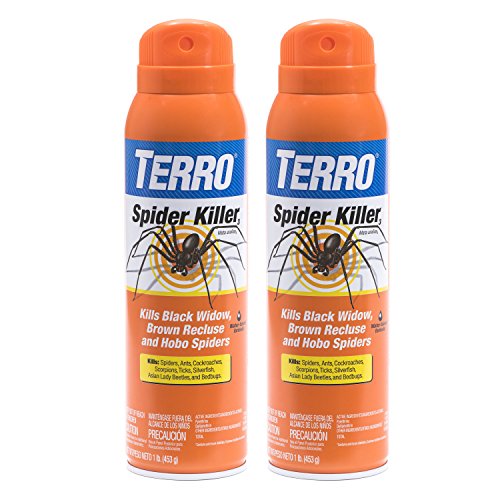
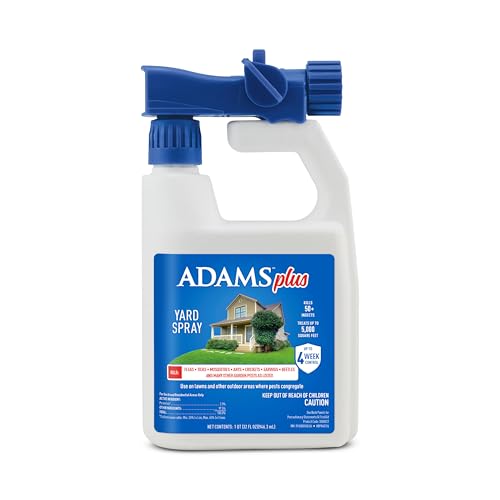
Relevant Products




Frequently asked questions
Why do so many crickets come inside in the fall?
Field crickets mature in late summer and, as nights cool, move toward the warmth of buildings, slipping in through gaps around doors, foundations, and vents. Bright outdoor lights also draw them close, so large numbers can gather at entry points in fall.
Do field crickets bite or spread disease?
Not in any meaningful way. A large field cricket may pinch if handled, but it does not truly bite or sting, and it does not spread disease to people. The real drawbacks are loud chirping and occasional chewing on fabrics and paper indoors.
How do I keep field crickets out of my house?
Seal cracks and add door sweeps to block entry, dim or redirect outdoor lighting, and keep grass, mulch, and debris away from the foundation. Glue boards inside catch strays. For heavy yearly invasions, a perimeter treatment from a pro helps.
Fact-checked by Morgan Vance, Editorial Director (editorial review, not a professional pest-control or medical sign-off). Last reviewed June 6, 2026. We correct anything a reader shows us is wrong — see our corrections policy.