
Acrobat Ant
Crematogaster spp. · also called acrobat ants, heart-shaped ant
Quick answer
Acrobat ants (Crematogaster species) are small light-brown to black ants named for raising their heart-shaped abdomen over their body when disturbed. They nest in moist or decayed wood, foam insulation, and wall voids, often where carpenter ants or termites have already been. They forage for sweets and can bite and emit an odor.
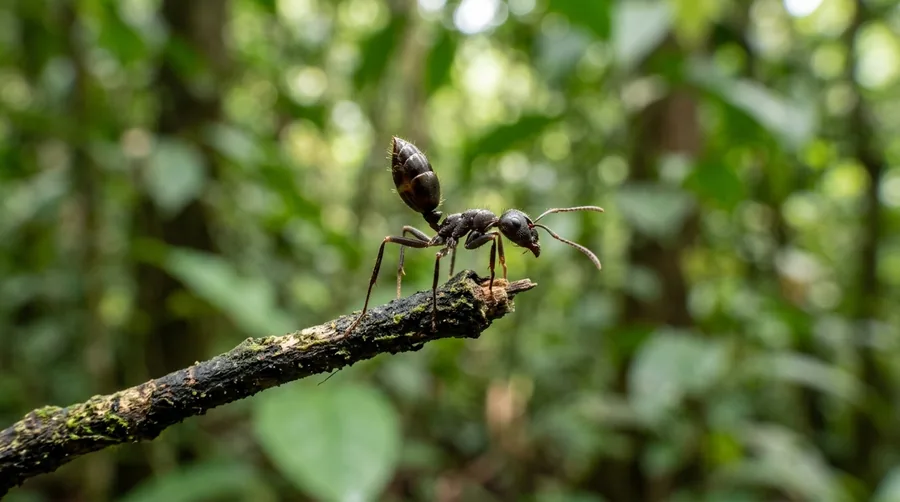
Small acrobat ant raising its heart-shaped abdomen over its body on a piece of wood
Recommended Products
See the full ranking →

What it does
When disturbed, acrobat ants raise their heart-shaped abdomen over the thorax, the trait behind their name. They forage in trails along utility lines and branches into buildings, tend aphids and scale for honeydew, and can bite and release a musty defensive odor.
Where it lives
Outdoors they nest in dead wood, tree hollows, stumps, and under bark. Indoors they favor moisture-damaged wood, foam insulation, wall voids, and areas behind siding, often reusing galleries left by termites or carpenter ants. They occur nationwide.
How it breeds
A colony has a queen and up to several thousand workers. Winged reproductives swarm from late summer into fall to found new colonies. Development runs from egg to adult over weeks to months, depending on temperature.
What it eats
Acrobat ants prefer honeydew from aphids and scale insects, along with sweets, proteins, and other insects. Indoors they seek out sweets and greasy foods, following trails to reliable food sources.
Identification
Workers are small and often two-toned (light brown to black), with a distinctive heart-shaped abdomen and a single pair of spines on the thorax. The raised-abdomen defensive posture when disturbed is the easiest field cue to confirm them.
Signs of an infestation
- Ants raising a heart-shaped abdomen when disturbed
- Trails along tree limbs, utility wires, and foundations
- Foraging indoors for sweets and greasy foods
- Small piles of debris or insulation pushed from nests
- Winged ants appearing in late summer and fall
Prevention tips
- Fix moisture problems and replace decayed wood
- Trim branches and wires that contact the house
- Seal gaps around utility lines and entry points
- Remove nearby dead wood, stumps, and debris
- Bait active indoor trails rather than only spraying
Professional solutions
Locating and treating the nest, often in damaged wood or insulation, is central to control. Recurring indoor trails may need a professional to find the nest and correct the underlying moisture source. Always read and follow the EPA label on any product.
Health & safety
Acrobat ants can bite and deliver a mild sting and release a musty defensive odor, but they are not dangerous or venomous in a medical sense and spread no known disease. They are mostly a nuisance, so household risk is low.
Relevant Products


Frequently asked questions
Why does this ant lift its rear end up in the air?
Acrobat ants raise their heart-shaped abdomen over their body as a defensive display when they feel threatened. It is their most recognizable behavior and, along with the heart-shaped abdomen, the easiest way to identify them.
Do acrobat ants damage wood?
They nest in wood that is already moist, decayed, or previously damaged by termites or carpenter ants, and in foam insulation, rather than causing primary structural damage themselves. Their presence often points to an existing moisture or wood-decay problem worth fixing.
How do acrobat ants get into the house?
They commonly follow tree branches, utility wires, and foundation gaps indoors, then nest in damp wood or insulation. Trimming vegetation off the house, sealing gaps, and correcting moisture are effective ways to keep them out.
Fact-checked by Morgan Vance, Editorial Director (editorial review, not a professional pest-control or medical sign-off). Last reviewed June 30, 2026. We correct anything a reader shows us is wrong — see our corrections policy.