
Clover Mite
Bryobia praetiosa · also called clover mites, tiny red bugs, red spider mite (house)
Quick answer
Clover mites (Bryobia praetiosa) are tiny reddish-brown plant-feeding mites that invade homes in large numbers during spring and fall. They do not bite, sting, or damage property, but they crawl over sunny walls, windows, and sills, and leave a red stain when crushed. They are a harmless seasonal nuisance.
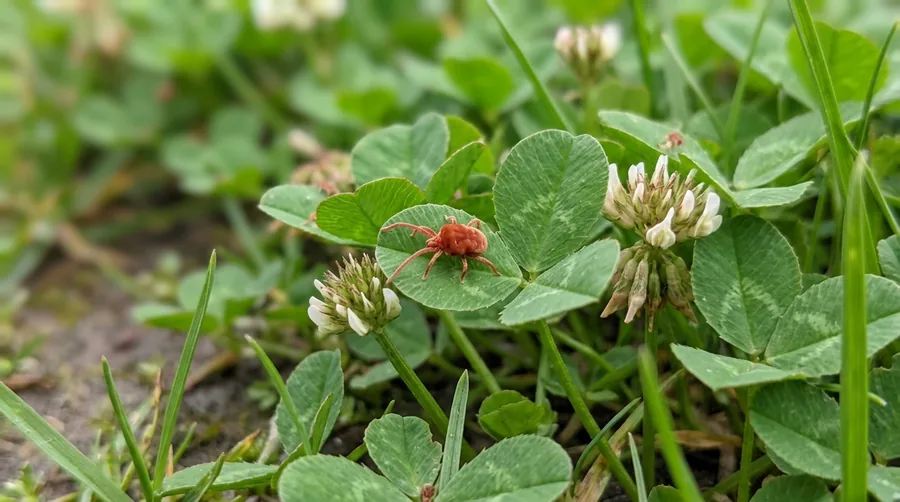
Tiny reddish-brown clover mite with long front legs crawling on a white windowsill
Recommended Products
See the full ranking →


What it does
Clover mites feed on grasses, clover, and other plants outdoors, then migrate in large numbers when temperatures shift in spring and fall. They cluster on warm, sun-facing walls and squeeze indoors through cracks around windows and doors, wandering over sills and light surfaces before dying off.
Where it lives
Outdoors they thrive in well-fertilized lawns and dense vegetation against the foundation. Indoors they gather on sunny windowsills, walls, curtains, and carpets near entry points. They are found across the US and are most noticeable on the south and west sides of buildings.
How it breeds
Clover mites reproduce without males; females lay bright red eggs in wall cracks, foundation gaps, and bark. Eggs oversummer or overwinter and hatch during mild weather, producing several generations a year that fuel the spring and fall population surges.
What it eats
Clover mites feed on the sap of grasses, clover, and other lawn and garden plants. They do not eat fabric, food, or structural materials, and they do not feed on people or pets.
Identification
They are pinhead-sized (under 1 mm), reddish-brown to olive, with a distinctively long pair of front legs that point forward and are often mistaken for antennae. Crushing one leaves a red-brown smear, which is plant pigment, not blood.
Signs of an infestation
- Clusters of tiny red specks on sunny sills and walls
- Red or rust-colored smears where mites were crushed
- Large numbers appearing suddenly in spring or fall
- Mites concentrated near south- and west-facing windows
- Movement across curtains, carpets, and baseboards
Prevention tips
- Leave an 18-24 inch plant-free gravel or mulch band along the foundation
- Seal cracks and gaps around windows, doors, and siding
- Avoid over-fertilizing lawn areas next to the house
- Install or repair tight-fitting window and door screens
- Vacuum indoor mites rather than crushing them to avoid stains
Professional solutions
Clover mites rarely need professional treatment. If migrations are heavy year after year, a pest professional can apply an EPA-labeled perimeter or lawn treatment and advise on a vegetation-free foundation band. For most homes, sealing gaps and vacuuming is enough.
Health & safety
Clover mites pose no health risk. They do not bite, sting, spread disease, or infest food, and they cannot survive long indoors. The only real drawback is the reddish stain left on light surfaces when they are crushed, so vacuuming is preferred over squashing.
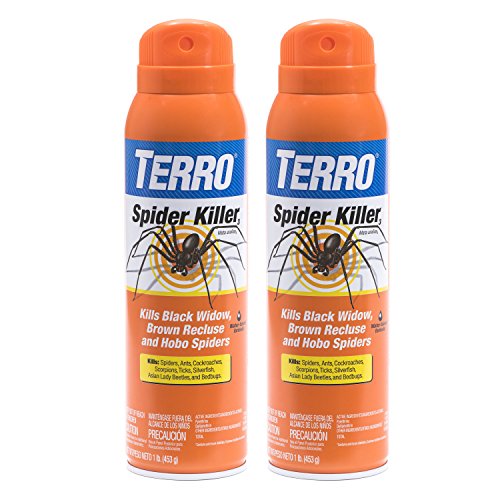
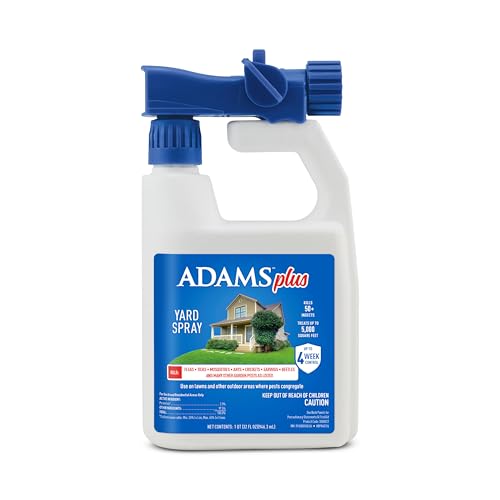
Relevant Products




Frequently asked questions
Do clover mites bite people or pets?
No. Clover mites feed only on plants and cannot bite people or animals. The red smear they leave when crushed is plant pigment, not blood. They are a harmless nuisance that wanders indoors in large numbers during spring and fall.
Why do clover mites keep coming inside?
They migrate off lawns and vegetation when temperatures change, and are drawn to warm, sunny walls. Homes with lush, well-fertilized grass right up against the foundation see the most. A plant-free gravel border and sealed window gaps greatly reduce entry.
How do I get rid of clover mites indoors?
Vacuum them up rather than crushing them, since squashing leaves red stains. Then seal entry gaps around windows and doors and create a vegetation-free band along the foundation. An EPA-labeled perimeter treatment can help if migrations are severe.
Fact-checked by Morgan Vance, Editorial Director (editorial review, not a professional pest-control or medical sign-off). Last reviewed June 3, 2026. We correct anything a reader shows us is wrong — see our corrections policy.